
Measuring Sustainable Operational Throughput Using Hard Work Limits
Sustainable throughput is measured by fixing operating hours permanently and recording the exact work volume completed within those immutable boundaries.
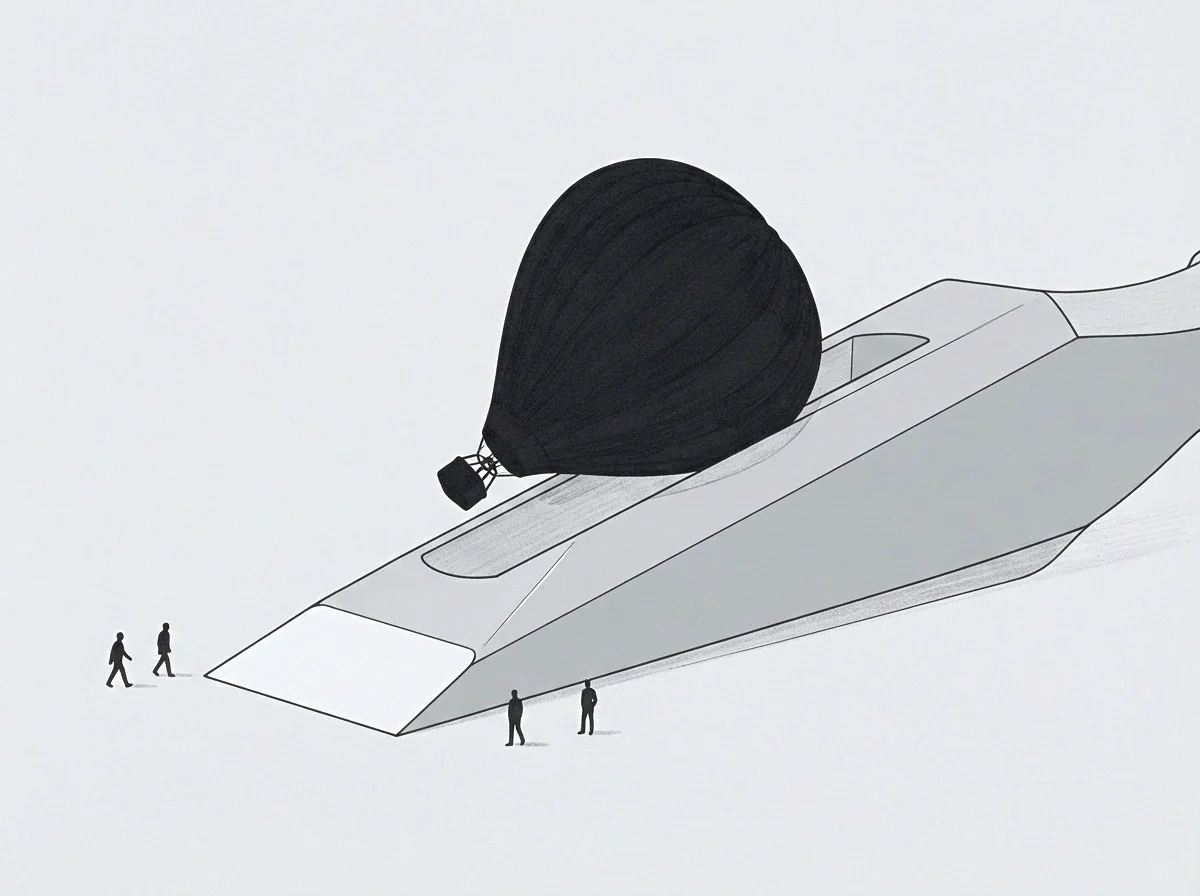
Wall
Four browser windows remain active past midnight while incoming tickets accumulate faster than the closing queue. The operator sits before a screen showing sixty open items, answering three messages while another five drop into the channel. Every manual intervention masks a structural deficit in the production line.
When operating hours expand to absorb operational friction, measured throughput records an artificial surplus. True capacity stays obscured because human endurance silently pays the difference between system demand and process efficiency.
A stated limit serves as an immovable barrier rather than a personal declaration. Systems under production pressure expand their demands until an unyielding restriction halts the expansion. When an operational ceiling remains elastic, the organization treats human labor as a free shock absorber for unresolved scheduling errors.
The installation of a concrete boundary forces the workflow to register its real constraints directly against operating time.
A hard work limit reveals process bottlenecks by eliminating the unpaid overtime that concealed them.
Throughput calculation depends on clear temporal boundaries. Without an unalterable operational stopping point, managers calculate velocity by dividing total output by an assumed forty-hour baseline while the real delivery consumed sixty-five hours. The resulting metrics distort baseline cost estimates, pricing schedules, and headcount models.
The system registers high productivity while the underlying production mechanism accumulates hidden operational debt.
Labor reserves deplete predictably under prolonged strain. Experimental trials in occupational physiology demonstrate that cognitive endurance drops sharply after eight hours of concentrated administrative or technical labor. Sustained attention decays.
Error rates multiply across analytical tasks. By allowing work periods to flex indefinitely, an enterprise trades structural reliability for the short-term clearance of operational backlog.
The establishment of an immovable operational boundary terminates this substitution. Work ceases when the terminal parameter triggers. Unfinished tasks remain in queue, making systemic latency visible to planners, investors, and department leads.
Process failures surface where they occur instead of disappearing into private evening labor.
When leadership miscalculates this threshold, work volume continues to mount until the entire processing team collapses into sustained operational paralysis.

Rate
Operational velocity stabilizes only when the temporal container stays rigid. A processing team operating within fifty fixed weekly hours establishes a clean baseline for output volume. When a backlog swells, the team maintains the set ceiling rather than inflating the time allocation.
Throughput calculations then represent authentic processing capabilities under steady-state conditions.
Output velocity derives from structural efficiency rather than heroic physical output. Measuring work volume across an inflexible window exposes latency in internal handoffs, tooling defects, and missing task specifications. Production units completed per calendar period provide an exact reading of systemic capability.
The unyielding stop time creates an unyielding denominator for every performance equation.
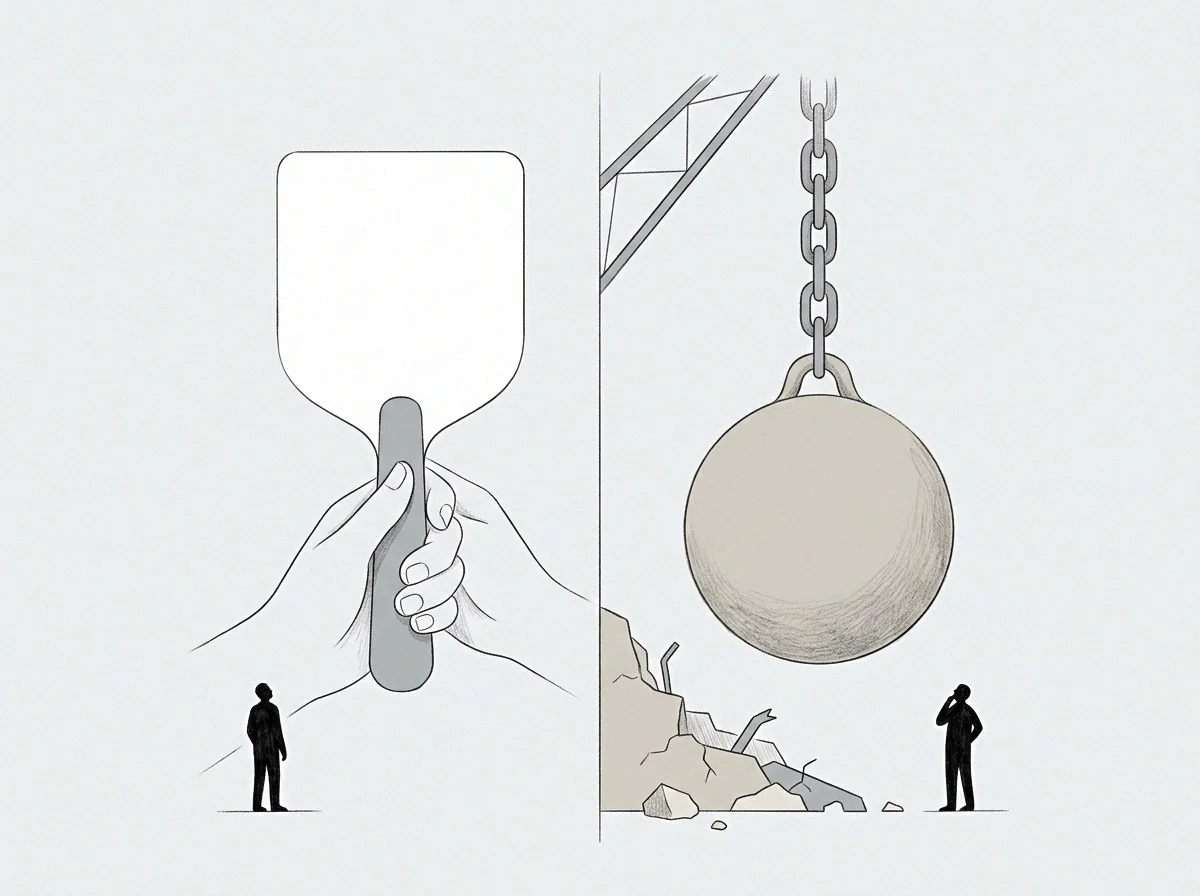
Mathematical Boundaries on Daily Execution
Units processed within a bounded period show the actual rate of sustainable delivery. When the processing period extends without boundary, the denominator floats. A floating denominator destroys statistical validity across operational reporting.
Measuring throughput requires holding the denominator constant across quarters, projects, and staffing transitions.
Work limits establish three structural parameters for operational accounting:
- Hard stop thresholds terminate task execution precisely at the designated daily hour regardless of queue status.
- Intake rationing matches newly admitted work tickets to the proven completion rate of the preceding operational cycle.
- Latency exposure documents the exact time unfinished tickets wait in queue once daily execution halts.
A fixed denominator converts gross output into an exact metric of operational competence.
System capacity reflects genuine constraints. Technical teams facing hard daily boundaries immediately sort work by utility, clearing high-leverage dependencies before low-leverage requests consume the clock. This dynamic alters resource allocation without managerial persuasion.
The presence of the boundary performs the sorting work that administrative policies fail to deliver.
Under a strict ninety-day testing window with fixed operational stops, velocity measurements yield true baseline capabilities for every production role.
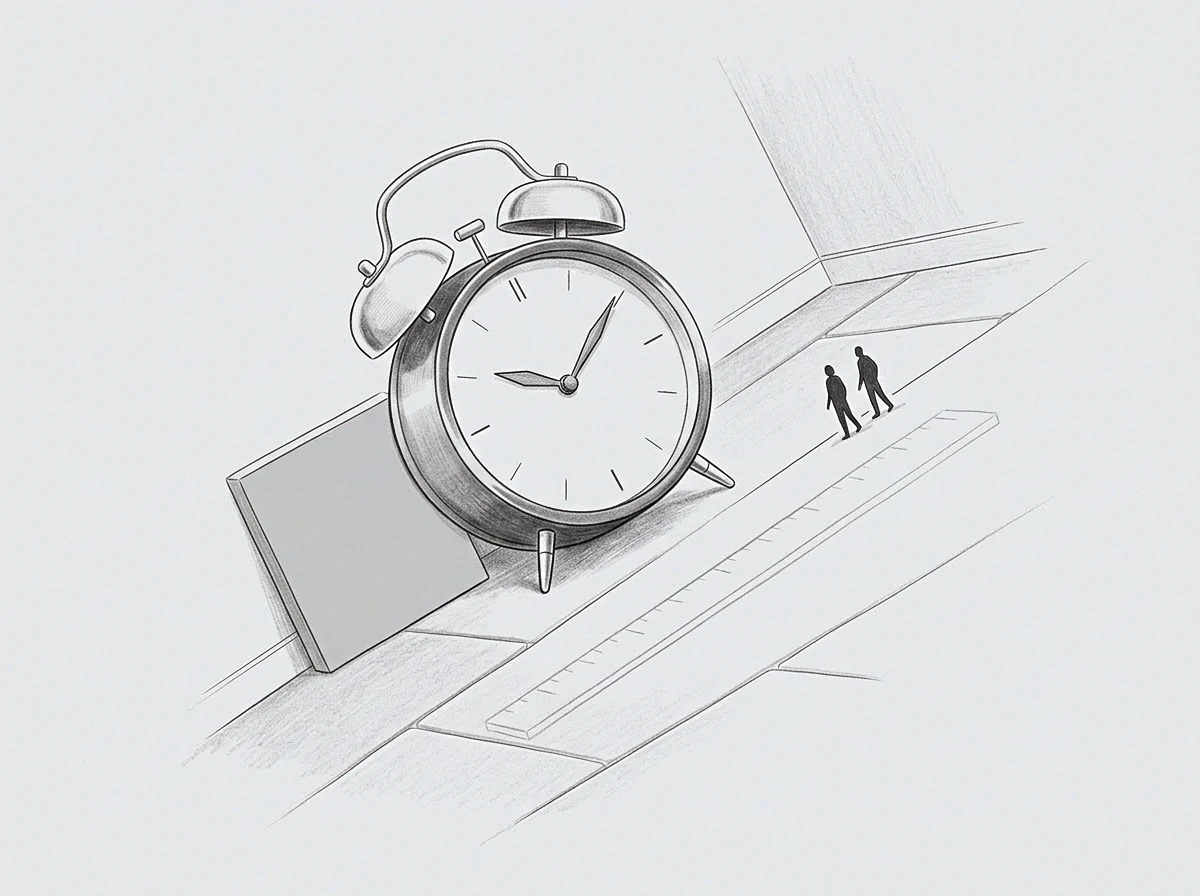
Drift
Elastic capacity degrades systemic discipline over sequential business quarters. When execution windows yield to pressure, teams accept poorly scoped initiatives under the unspoken assumption that evening hours will absorb the delivery risk. Scope expands during planning phases because no immediate physical penalty restricts ticket generation.
The production line loses the ability to distinguish essential architectural work from tangential administrative overhead.
True operational throughput separates high-value execution from protective overhead. Under elastic time conditions, teams generate self-justifying administrative routines that slow genuine throughput while creating an appearance of relentless activity. Meetings multiply into open calendars.
Reviews become recursive. The operational baseline drifts away from direct production toward bureaucratic maintenance.
| Evaluation Metric | Elastic Operating Hours | Hard Work Limits |
|---|---|---|
| Throughput Calculation | Gross output divided by estimated baseline hours | Completed tasks divided by verified fixed hours |
| Bottleneck Visibility | Hidden through voluntary individual overtime | Exposed via accumulated backlog at stop times |
| Scope Discipline | Loose acceptance of ambiguous task parameters | Immediate rejection of underspecified tickets |
| Systemic Strain | Cumulative allostatic depletion across operators | Predictable physiological recovery intervals |
The comparative data reflects distinct operational realities. Organizations relying on elastic availability exhibit persistent divergence between forecasted completion dates and actual deployment milestones. Teams constrained by fixed hard limits maintain predictable delivery schedules across extended quarters.
The structural discipline imposed by the stop time preserves the integrity of execution forecasting.
A founder watching a team face hard limits observes immediate friction at the intake interface. Clients confront real delivery schedules based on empirical output rather than speculative enthusiasm. Project leads trim unnecessary revisions to preserve production quotas.
The system rejects low-yield assignments through structural necessity rather than negotiation.
The client then remarks that our team appears remarkably unhurried while somehow delivering projects precisely on the contracted delivery date.

Spill
Uncontained processing demands spill outward, claiming adjacent organizational resources when operational parameters fail. Work that outstrips its nominal container generates secondary costs across quality assurance, client communication, and cross-functional coordination. The error load increases in direct proportion to operational fatigue, creating rework cycles that consume tomorrow’s throughput before dawn arrives.
Task handoffs deteriorate under extended working cycles. When an engineer or operator finishes an assignment late at night, the handover documentation shrinks to fragmented notes. The morning recipient spends valuable production hours decoding the preceding shift’s ambiguous output.
A single undocumented technical choice sparks multiple clarification threads, grounding entire squads in administrative discovery.
A team operating beyond its physical ceiling produces defects that devour future capacity through compulsory rework.
The queue absorbs the fallout of exhausted labor. Tickets returned for revision block new initiatives from entering active development. True throughput drops even as total hours spent at keyboards reach historical records.
An enterprise observing this pattern frequently misdiagnoses the condition as a staffing shortage, hiring additional personnel into a broken operating architecture.
Restricting daily operating hours arrests this destructive feedback cycle. When the terminal parameter engages, workers disengage completely, allowing cognitive restoration to take place before the next production window opens. Teams return with intact analytical discernment, writing clean code, exact documentation, and definitive operational instructions that pass downstream checkpoints without friction.
Work left resting overnight in the queue costs far less than errors corrected in the middle of a client emergency.
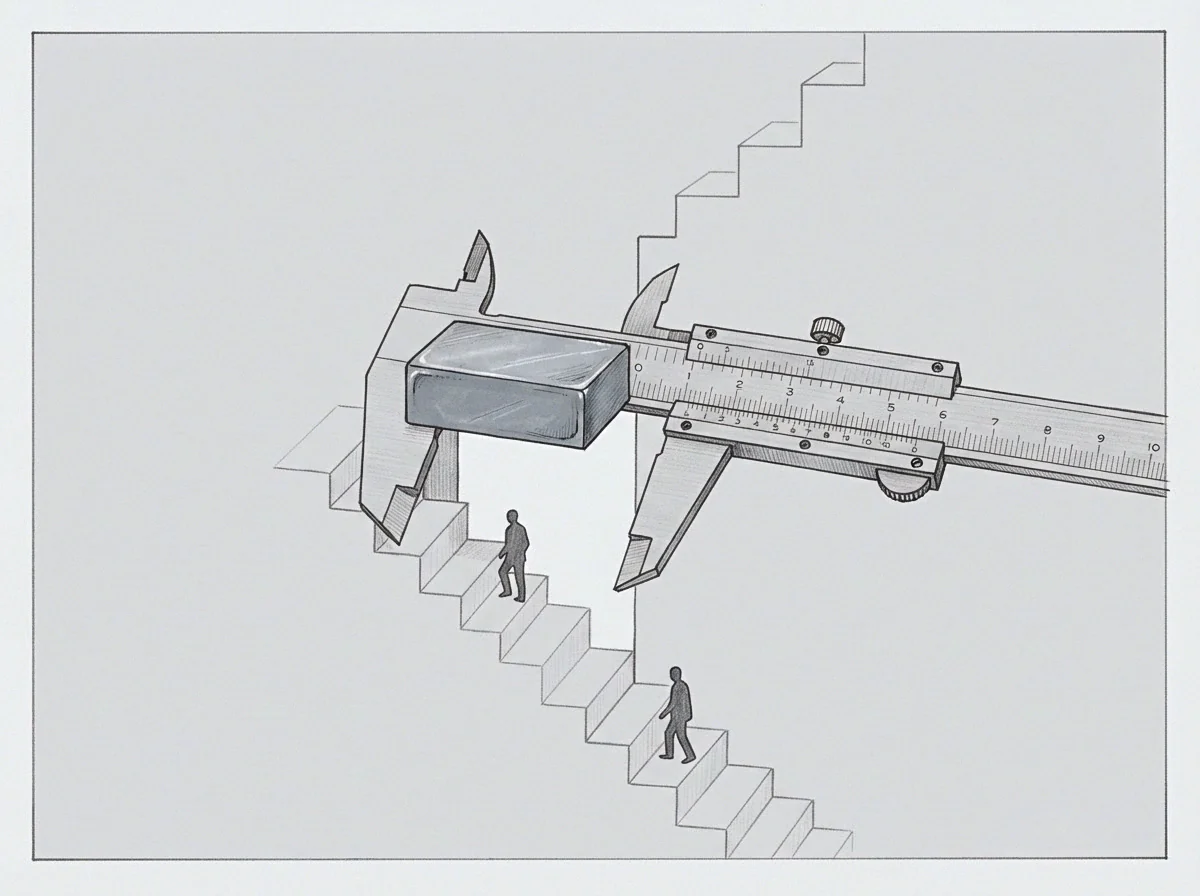
Line
Setting the operational line demands structural resolve rather than personal willpower. An enterprise defines sustainable throughput by observing the exact volume of work delivered when operational limits remain totally non-negotiable. This empirical baseline dictates intake policy, pricing schedules, and realistic growth trajectories.
Every commitment made to shareholders or customers anchors to this measured foundation.
Hard operational boundaries establish systemic integrity. When leaders protect the operating line against client escalations and internal anxieties, the team develops genuine confidence in organizational commitments. Production schedules reflect real constraints.
Margins reflect genuine production costs rather than uncompensated labor extraction.
Operating within genuine limits creates operational surplus. The organization develops headroom for unexpected crises, equipment disruptions, and market shifts without breaking its workforce. By refusing to treat human endurance as an elastic reserve, leadership builds an enterprise capable of sustained execution over decades rather than quarters.
The outstanding dilemma centers on whether an enterprise competing in capital-dense, unregulated environments can maintain rigid operational limits while rival firms willingly deplete their personnel to secure decisive short-term market positions.