Meaning
Resistance inherent in the design of a process that slows down execution and increases the effort required to achieve a result describes an internal drag. In many organizations, systemic friction is the gap between the theoretical capacity of a system and its actual output. It measures the constant energy cost required to overcome administrative or procedural barriers.
The concept applies to internal factors and excludes external market forces.
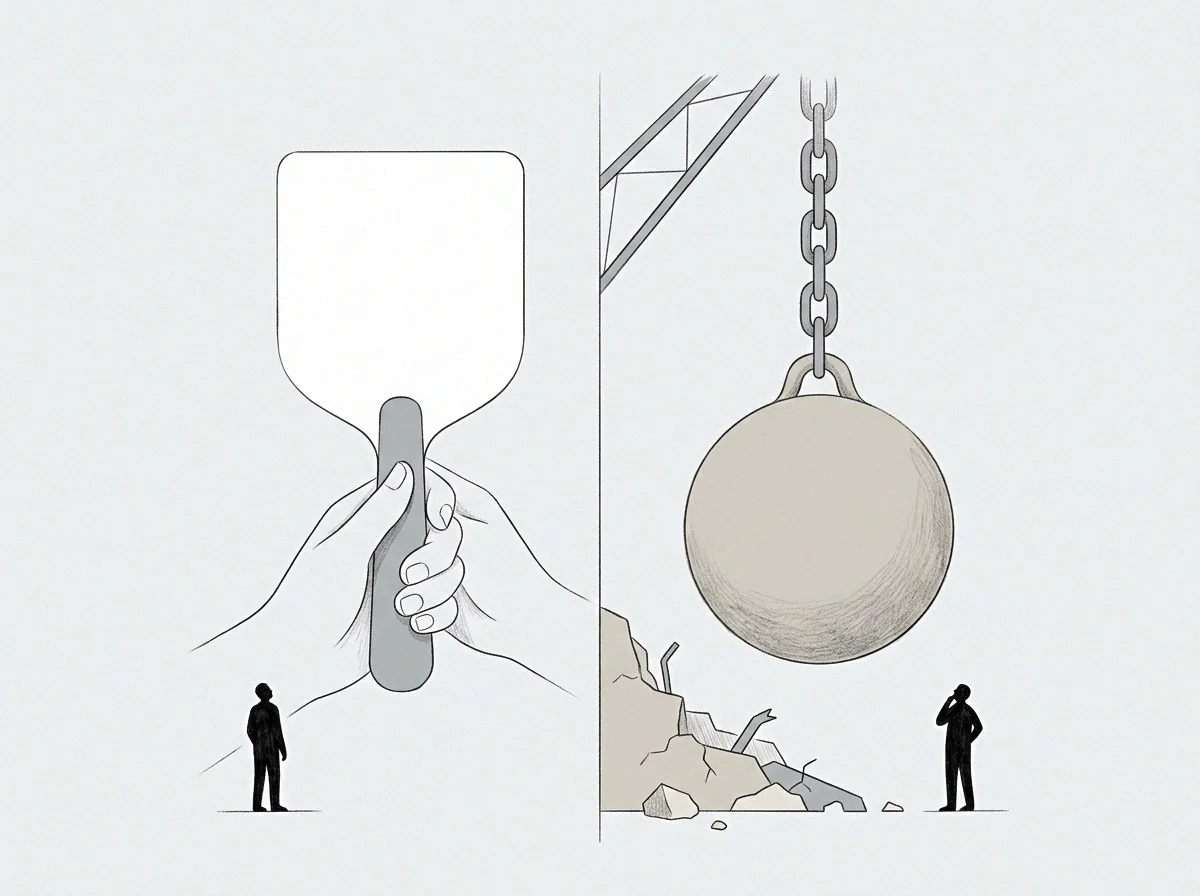
Heavy Drag
Resistance created by redundant steps or unclear communication reduces the speed of the entire team. This factor is often invisible until the organization attempts to scale. It functions as a tax on every hour of work performed.
Friction Point
Specific locations where data or resources become stuck identify the need for structural change. By mapping these points, a founder can see exactly where their attention is being wasted. Resolving a single point can have a disproportionate effect on total capacity.
Capacity Loss
Total amount of work that is not completed due to internal resistance represents a significant waste of potential. This loss is the price paid for poor system design and lack of clear documentation. Over years, the cumulative loss can lead to the failure of the organization even if the product is successful.
The individual must then work harder to compensate for a system that is actively fighting against them.