Meaning
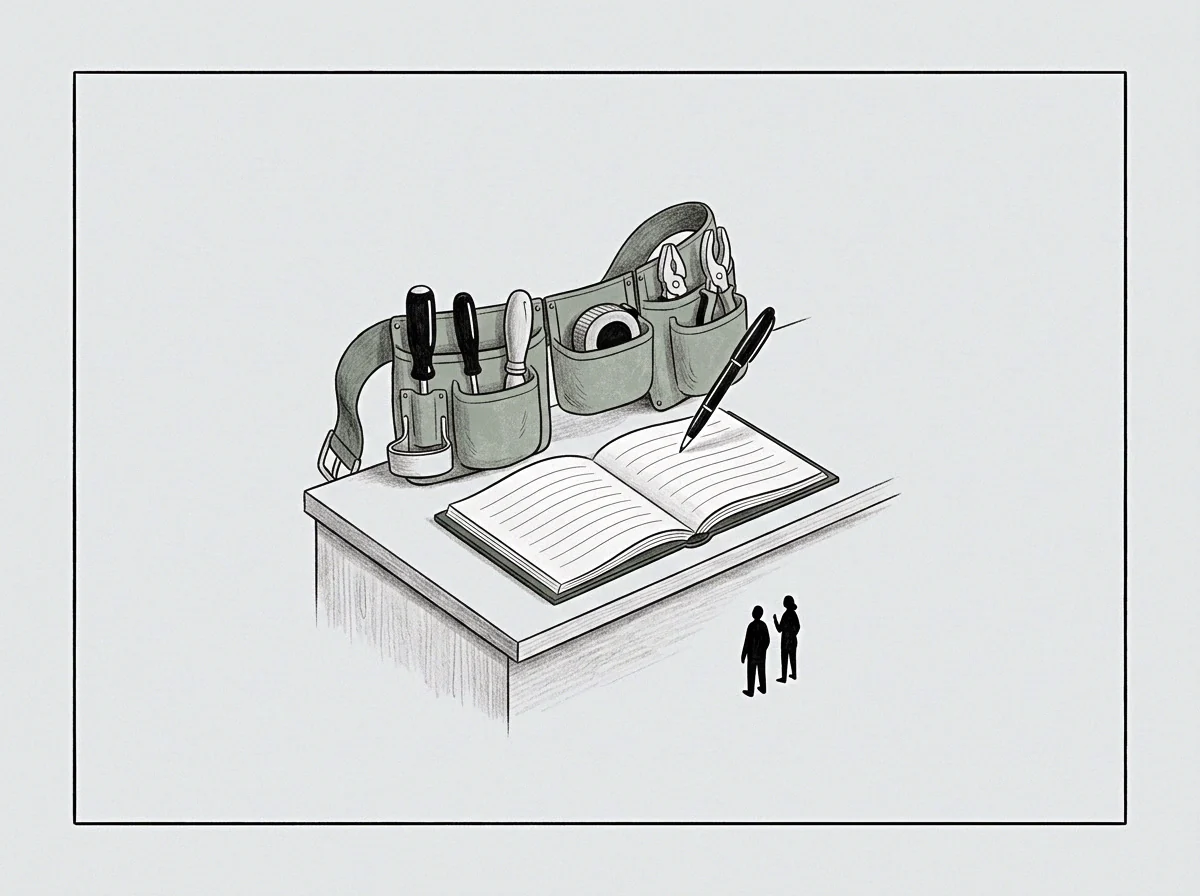
Externalizing mental demands to physical objects or digital tools reduces the active retention load on working memory. Through cognitive offloading, an individual bypasses the need to store data in the brain by placing it in notebooks, digital files, databases or shared documents.
Functional Cost
Delegating memory tasks reduces immediate mental strain but creates a structural dependency on external systems. This dependency on cognitive offloading requires constant access to the tools, which consumes secondary attentional capacity to maintain and organize those records.
Operational Impact
Information retrieval from external sources introduces a latency that alters the natural pace of decision-making. When a practitioner relies on cognitive offloading, the speed of executing tasks shifts from immediate mental recall to the physical action of searching and reading. This shift often lengthens the feedback loop of a business process, adding minutes or hours to actions that previously occurred in seconds.
The cost of organizing these external structures can eventually match the original mental burden it was intended to resolve.
Systemic Boundary
Extreme reliance on external records diminishes the capacity for rapid, intuitive synthesis during high-pressure scenarios. While cognitive offloading protects long-term energy reserves, it removes the raw material from active working memory, leaving the practitioner unable to make sudden connections without consulting the database. The utility of the practice holds only as long as the retrieval mechanism remains faster than manual reconstruction.