
Organizational Adaptation Dynamics Under State Gated Executive Interventions And Horizontal Load Transfer Constraints
Executive interventions act as unpriced stress release valves that bypass structural controls and disrupt horizontal load distribution across peer networks.
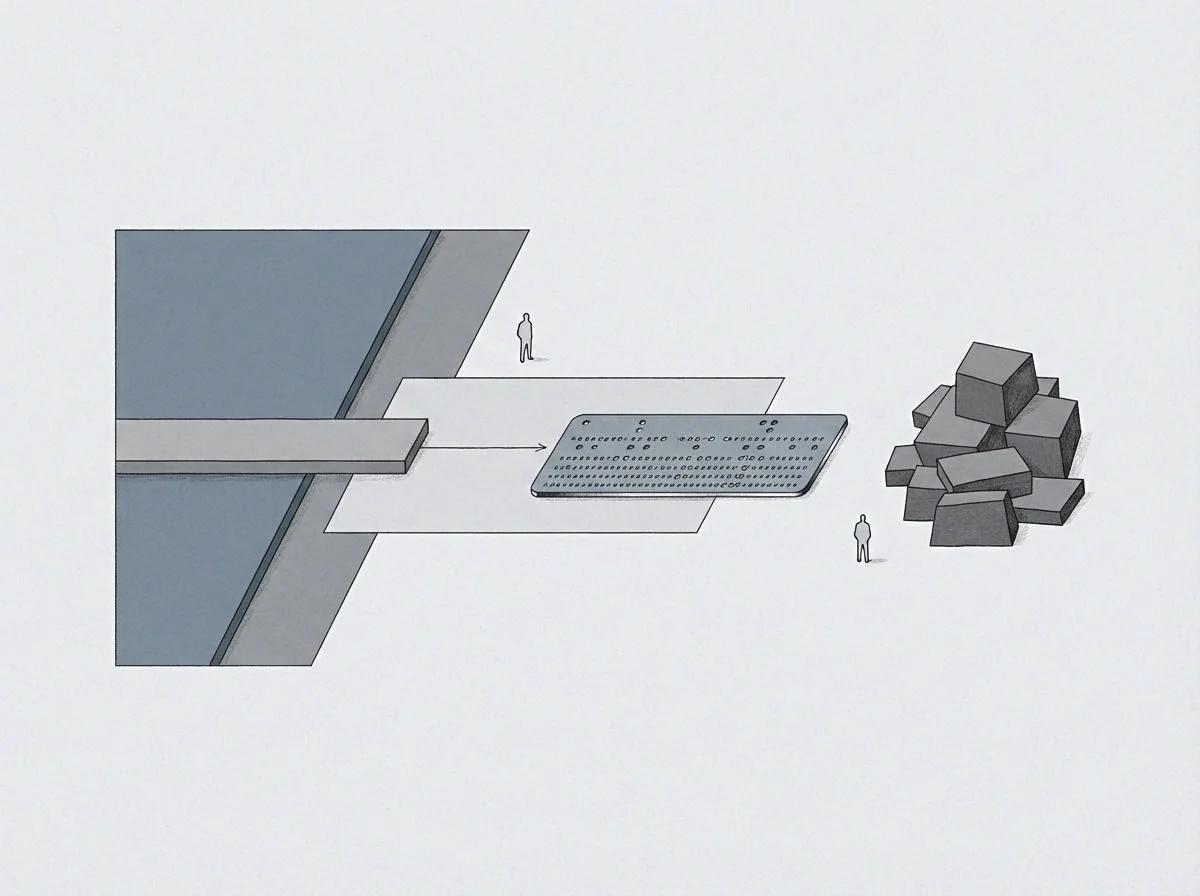
Vent
Four urgent operational operational requests sit unaddressed at eleven o’clock on a Tuesday night while the founder steps into an active engineering channel to resolve a deployment stall. The immediate bottleneck vanishes within thirty minutes because executive authority bypasses standard approval sequences and directly reassigns system permissions. Standard escalation protocols disappear when an executive overrides existing routing logic.
The intervention resolves the immediate technical blocker. The queue clears.
Every direct intervention by an executive operates as an artificial pressure release valve within an organization’s architecture. The act suppresses the immediate error signal without modifying the underlying conditions that produced the operational failure. Internal control loops rely on feedback to adjust resource distribution.
When an executive routinely absorbs operational variance, adjacent teams stop developing internal compensation mechanisms. The system learns that executive capacity functions as an infinite, unpriced strain absorption layer.
Executive Intervention as a Gated Response
Interventions are state-gated actions rather than decision-gated choices. A decision-gated action responds to explicit data, policy directives, or planned schedules regardless of internal cognitive bandwidth. A state-gated action activates only when executive headroom falls below a critical threshold and operational friction reaches a specific noise level.
When cognitive load reaches capacity, executive interventions shift from structured guidance to direct structural overriding. The intervention does not indicate organizational alignment. It indicates that executive capacity has reached its absolute structural limit.
Executive override actions mask structural friction by consuming unaccounted executive bandwidth instead of forcing horizontal adaptation.
The operational cost of this intervention pattern accumulates downstream. Operating units adjacent to the intervention corridor experience immediate disruption. Priorities shift without standard recalibration sequences, and peer leads suspend ongoing projects to accommodate the executive mandate.
Horizontal load transfer constraints prevent adjacent teams from absorbing the sudden surge in work. The pressure builds.
Organizations that rely on frequent executive intervention experience persistent structural instability. Line managers stop enforcing operational standards when executive bypass becomes predictable. The long-term cost of unconstrained executive intervention is the total erosion of mid-level problem-solving autonomy across all operational channels.
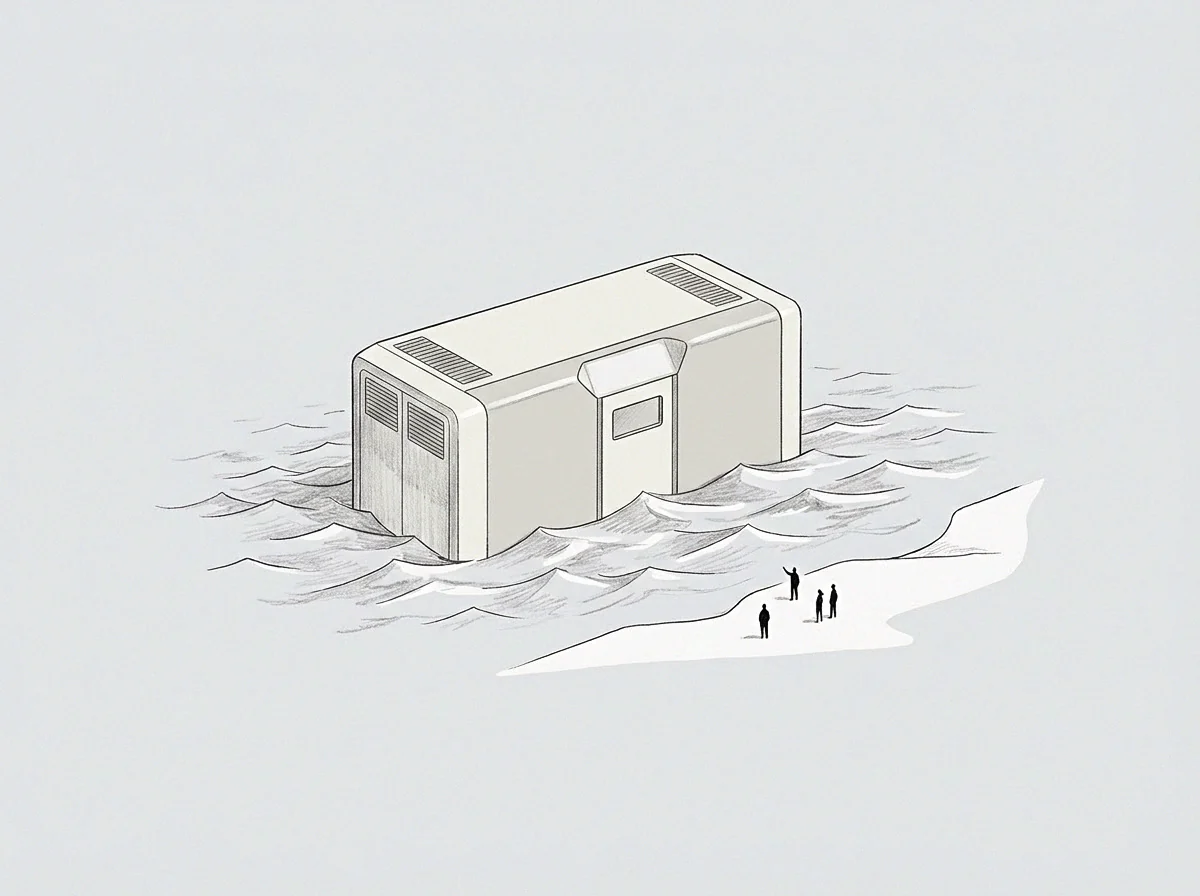
Circuit
Horizontal operational pathways transport friction across departments when primary channels encounter structural blocks. When a product team cannot secure design assets through established requests, work routes through informal peer networks or secondary escalation lines. Load transfer occurs horizontally across structural boundaries whenever vertical channels stall.
The volume of lateral load an organization can process depends on available peer headroom and shared operational clarity.
Horizontal transfer mechanisms operate under strict physiological and structural limits. Peer teams maintain bounded capacity dedicated to secondary support tasks. When lateral requests exceed this capacity, informal coordination collapses.
Lateral teams experience quiet degradation in primary throughput when forced to absorb unmanaged upstream tasks. Load moves sideways.

Feedback Dynamics in Horizontal Load Redistribution
Lateral load distribution changes organizational adaptation patterns through three distinct operational phases:
- Lateral Absorption Phase where teams absorb adjacent operational friction using undocumented buffer capacity without altering reported delivery dates.
- Saturating Friction Phase where informal cross-functional assistance consumes primary bandwidth, causing widespread minor delays across secondary deliverables.
- Structural Refusal Phase where peer units reject lateral incoming requests to protect core metrics, forcing issues back into executive escalation pathways.
When horizontal pathways saturate, operational failures return to executive seats with increased velocity. The executive layer receives aggregated operational failures that horizontal networks failed to absorb quietly. The setpoint shifts.
Systems lacking clear horizontal constraints create hidden operational dependencies. Operational leads assume peer teams possess unlimited capacity to process informal requests. The absence of explicit load transfer parameters transforms routine coordination into continuous friction.
We cannot support secondary departmental requests while primary core delivery targets remain unmet.
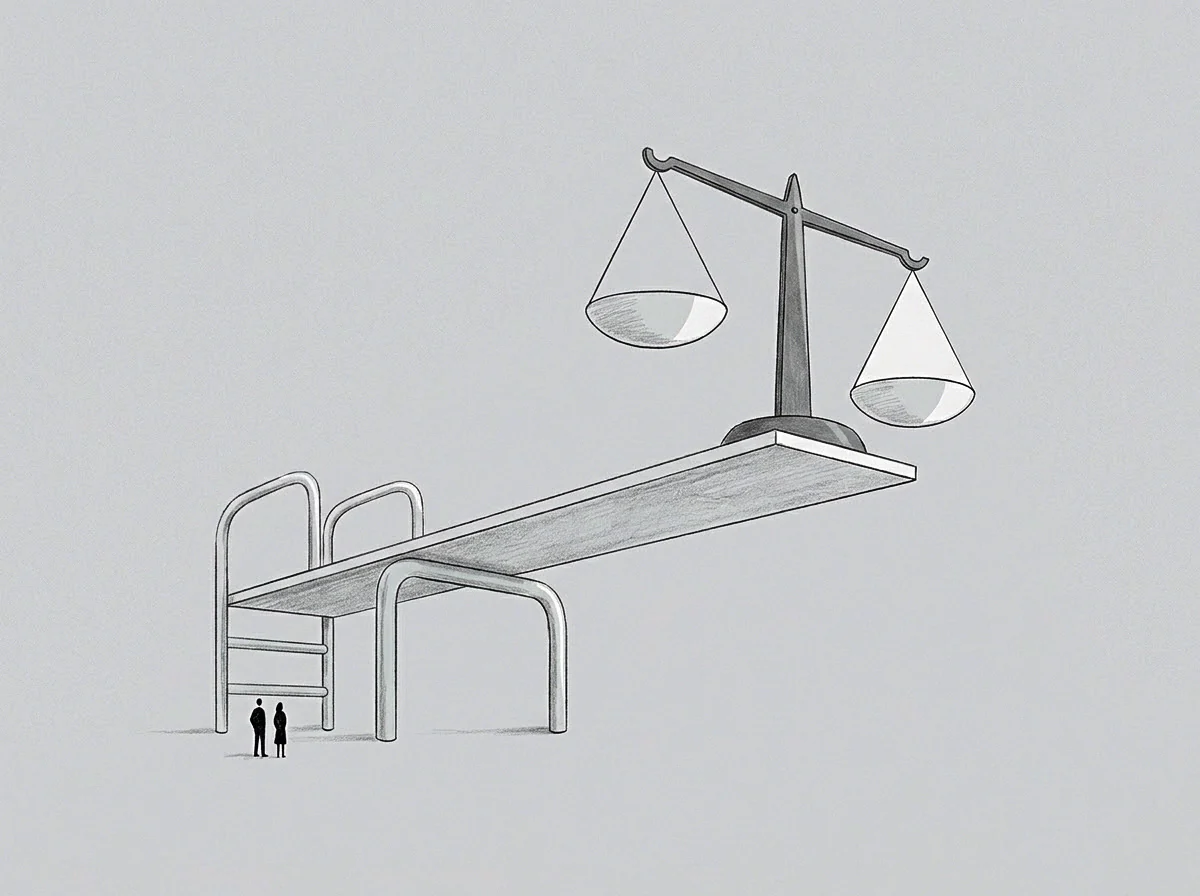
Capacity
Cognitive bandwidth within leadership layers operates as an absolute constraint on organizational throughput. State differs fundamentally from mood inside administrative structures. Mood reflects transient psychological tone and carries zero structural information regarding operational readiness.
State represents the precise mathematical transfer function governing how an executive seat processes incoming operational signals based on available headroom, active open loops, and physiological recovery rates. An executive seat operating at physiological ceiling cannot execute high-complexity diagnostic tasks regardless of professional commitment or strategic intent.
The regulatory cost of executive intervention escalates as available headroom drops. When executive capacity operates near saturation, intervention quality degrades rapidly. Strategic oversight reverts to blunt tactical commands.
The floor drops.

Quantitative Limits of Executive Load Absorption
Operational data across software and logistics sectors demonstrates clear performance shifts based on executive headroom utilization. The table below outlines organizational behavior across defined load parameters.
| Executive Load Band | Intervention Type | Horizontal Transfer Rate | System Adaptation Result |
|---|---|---|---|
| Headroom Above 40% | Strategic Coaching | Low (Formal Channels) | High Autonomy & Parallel Execution |
| Headroom 15% to 40% | Process Overriding | Moderate (Informal Networks) | Localized Bottlenecks & Priority Drift |
| Headroom Below 15% | Direct Command Takeover | High (Uncontrolled Saturation) | Systemic Stagnation & Operational Fragility |
When executive headroom stays below fifteen percent for extended durations, organizational adaptation ceases entirely. Teams abandon long-term process improvements to focus exclusively on surviving executive intervention cycles. Interventions become unpredictable, creating widespread organizational hesitation.
Silence follows the shift.
An organization operating at maximum executive cognitive load converts every routine variance into an emergency escalation.
The physiological limits of executive seats establish the maximum operational speed of the enterprise. Pushing executive bandwidth beyond structural setpoints generates systemic errors across all dependent operational units. Capacity collapses quietly.
Operating an executive seat at permanent capacity limits reduces the entire organization’s strategic horizon to twenty-four hours. Executive availability derives directly from explicit positional limits and clear structural costs. The term requires explicit definition: executive intervention bandwidth must be capped at twenty percent of total executive operational hours or strategic alignment degrades permanently.

Buffer
Structural buffers absorb operational variance before friction reaches executive decision layers. A buffer consists of explicit process delays, inventory reserves, or secondary operational capacity designed to damp incoming noise. Without dedicated structural buffers, horizontal load transfers hit active production lines directly.
The signal stops.
Horizontal transfer constraints define how much work peer teams exchange without trigger-level executive involvement. When these constraints remain unstated, peer teams trade work based on personal relationships rather than organizational priority. Relational coordination fails during high-stress operational cycles.
The system learns.

Can Peer Networks Absorb Direct Executive Interventions?
Direct executive interventions break existing horizontal buffer mechanisms. When an executive commands an immediate shift in team focus, secondary buffers clear immediately to accommodate the top-down directive. The forced absorption of executive priorities cascades through structural channels in four sequential stages:
- Primary operational buffers drain to clear immediate execution pathways for executive demands.
- Secondary cross-functional commitments pause without formal timeline adjustments or resource additions.
- Lateral support requests accumulate in unmonitored queues across adjacent functional departments.
- Horizontal communication channels fail as teams enter defensive isolation to protect core deliverables.
The breakdown of horizontal load transfer constraints isolates teams into operational silos. Inter-departmental trust degrades when horizontal agreements are repeatedly overridden by executive interventions. The erosion of lateral reliability forces even minor operational adjustments into executive channels.
The structural collapse completed through this cycle leaves the enterprise entirely reliant on centralized command execution.
Structural buffers preserve operational autonomy by preventing direct executive overrides from saturating peer capacity.
The core vulnerability of horizontal systems lies in unpriced lateral transfers. When departments offload work to peers without formal capacity tracking, the overall organization loses visibility into true operational costs. The wall remains.
What structural mechanism prevents horizontal teams from completely shedding operational accountability when executive interventions occur routinely?
Tier
Organizational architecture requires explicit tier boundaries to regulate load distribution across leadership levels. Stating a limit transforms an implicit operational tolerance into an explicit structural wall. A stated limit is an objective property of the organizational layout rather than a personal preference of the individual holding the seat.
When limits exist as explicit structural terms, incoming load transfers meet a defined boundary rather than an elastic human regulator. Terms replace intervention.
Establishing concrete terms for horizontal interactions prevents informal load shedding. Teams must present explicit resource commitments before transferring operational responsibilities to peer units. Requiring formal terms forces departments to evaluate the true cost of lateral requests prior to execution.
The limit holds.

Positional Boundaries and Availability Derivation
Availability within an executive seat is derived rather than announced. It emerges from the silence of a clearly stated position paired with an enforced operational cost. When an executive defines precise boundary terms, adjacent teams adjust their escalation thresholds upward.
Operational leads solve problems locally when executive intervention carries an explicit administrative cost.
Systemic adaptation occurs when organizations replace random executive intervention with structured, state-aware governance rules. Clear boundary terms protect cognitive headroom, ensure horizontal load transfers stay within sustainable limits, and force operational units to build internal problem-solving capacity. Organizations adapt successfully when executive capacity operates as an absolute structural limit rather than an elastic emergency buffer.
Executive availability shrinks to zero when horizontal teams operate without stated operational limits.