Meaning
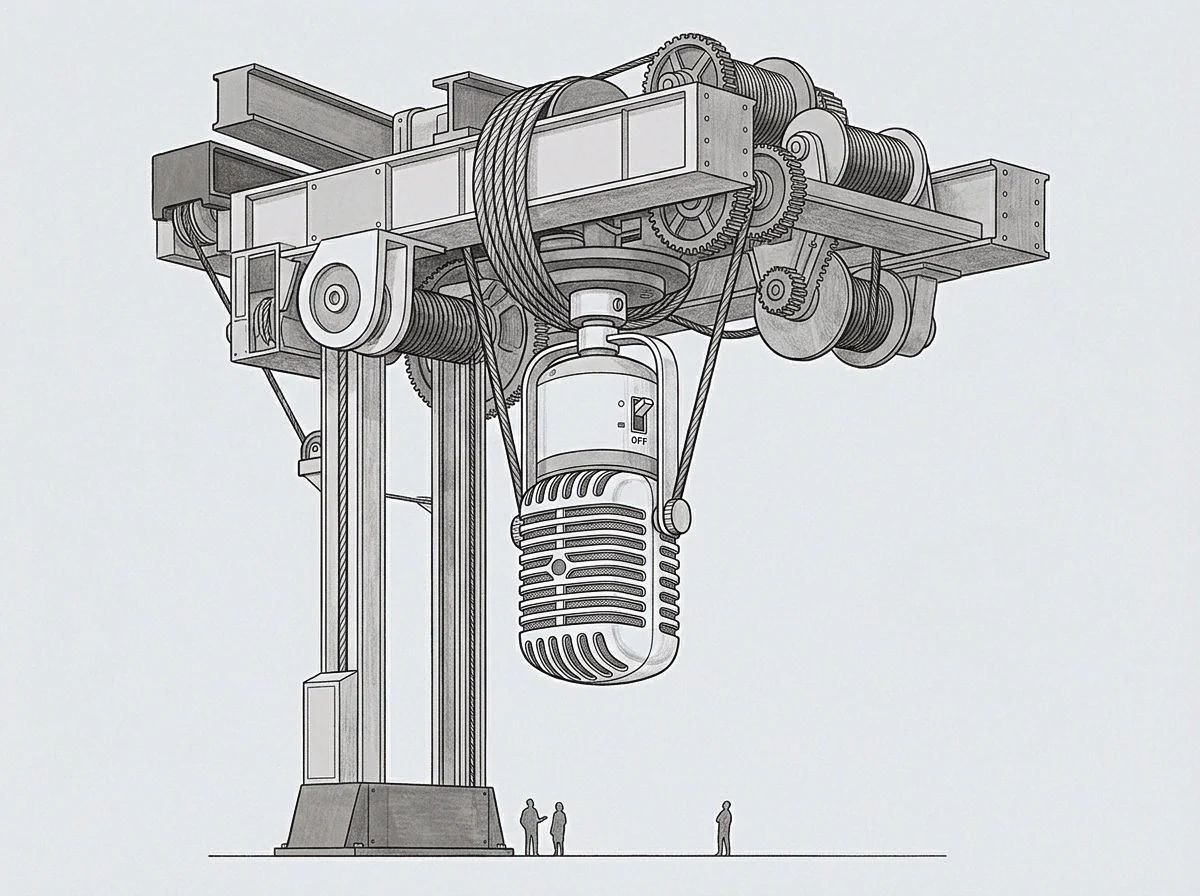
An operational state where incoming tasks, communications, or requests are admitted into a system without any rate limiting or filtering. Operating with an unthrottled intake quickly exposes a system to the risk of queue overflow and cognitive exhaustion. This approach is sustainable only when the demand is extremely low or when the system has virtually infinite processing capacity.
Unrestricted Inflow
Every request is accepted as soon as it is submitted. If a sudden surge in demand occurs, the queues fill rapidly. This open-door policy shifts the entire burden of management onto the receiver.
Backlog Accumulation
Tasks accumulate faster than they can be processed, leading to an ever-expanding queue. When this backlog grows, the time required to complete each task increases, creating a cycle of rising latency. This delay affects all downstream operations and damages the reputation of the system.
Systemic Collapse
The eventual result of a sustained surge without limits is a complete failure of the processing mechanism. When the queue exceeds the available memory or the operator’s mental capacity, the system halts. This failure requires a manual reset and can cause the loss of valuable data, proving that limits are necessary for long-term health, as running without them is a recipe for sudden and total breakdown under stress.