
Setting Firm Structural Limits In Growing Companies
A stated structural limit transfers operational load to governance protocols, shielding executive capacity from continuous system pressure.

Line
Four operational requests arrive past nine on a Tuesday, and the person in the seat answers three before midnight. The system treats that response as baseline availability, increases the load the following week, and keeps pushing until it hits resistance. As an organization grows, personal endurance frequently takes the place of formal architecture, expanding the work required to fill whatever capacity is offered.

Personal Endurance as Unstated Operational Capacity
Growing organizations frequently rely on the founder’s capacity to absorb ambiguity during early scaling, turning personal endurance into an informal buffer against friction. As operational volume grows, that buffer narrows. Operating without explicit limits forces the team to infer boundaries through trial, error, and lagged responses.
Systems naturally press against soft limits. Maintaining an unstated boundary demands constant personal pushback, draining cognitive energy that belongs to strategic decisions. Trying to manage incoming demands purely through willpower creates a pattern of intense availability followed by sharp operational withdrawal.

The Mechanism of System Expansion
When an organization expands without formal governance protocols, operational friction shifts toward whoever habitually resolves it. A system organized this way constantly tests its setpoints. Without a firm structural barrier, every incoming issue lands on the executive, teaching the organization that pressure can continue until something gives.
The request felt urgent, and earlier messages sent at that hour had been answered without complaint.

Clock
Time inside an expanding organization acts as a continuous load-bearing variable. Without clear boundaries around availability, schedule capacity defaults to open access. When response windows stay undefined, communication channels produce a constant stream of low-grade operational noise.

Derived Availability and Ping Arithmetic
Communication channels establish expectations through response habits. A message sent at ten at night that gets an immediate answer creates a derived availability setpoint that signals priority to the sender. Subsequent messages adapt to that baseline, leaving boundary enforcement entirely to individual discipline.
When communication streams run without interruption, routine queries crowd out strategic work. Establishing firm time limits means replacing continuous availability with set operational windows. A channel that alerts constantly without filtering stops functioning as a reliable priority indicator for anyone using it.
An unstated schedule functions as continuous operational availability to an expanding team.

Parameter Comparison in Operational Governance
Structural governance operates differently from individual effort across core operational metrics. Relying on personal discipline versus explicit structural limits leads to distinct long-term capacity baselines for growing companies.
| Operational Dimension | Personal Regulation Mode | Structural Limit Mode |
|---|---|---|
| Load Resolution | Absorbed by individual endurance | Handled by automated protocol |
| Availability Signal | Derived from response speed | Stated through explicit windows |
| System Response to Friction | Escalates pressure on person | Reverts to default governance term |
| Capacity Degradation | Compounding operational fatigue | Bounded within defined shifts |
Silence enforced across set hours turns incoming operational traffic into a batched queue.
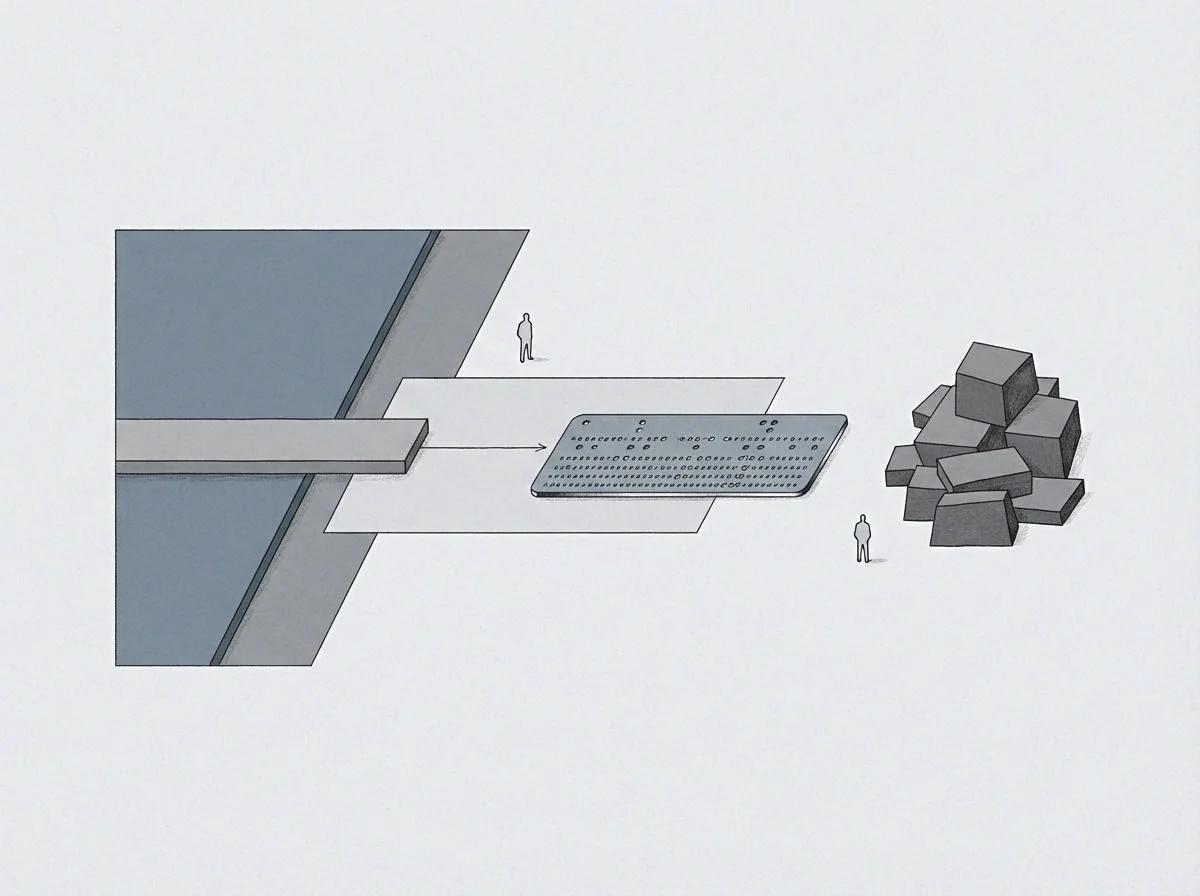
Term
Explicit operational parameters serve as stationary boundaries within a growing organization. A stated limit acts as an impersonal structural wall, absorbing operational pressure without demanding real-time emotional or cognitive effort from executive leadership.

Stated Parameters in Multi-Party Operational Contracts
Unstated expectations within executive teams generate friction as operations scale. Consider two co-founders who built a company for three years without explicit governance terms covering working hours or capital deployment thresholds. If the chief operating officer holds forty percent equity and runs daily execution while the chief executive officer manages fundraising, every operational disagreement without clear contractual terms requires live negotiation, drawing heavily on executive energy reserves.
Introducing firm structural limits replaces vague understandings with written governance terms. By setting clear operational boundaries, leadership establishes structural friction that intercepts minor issues before they escalate to the executive level.
A stated parameter transfers operational load to the process while an unstated preference leaves load on the person.
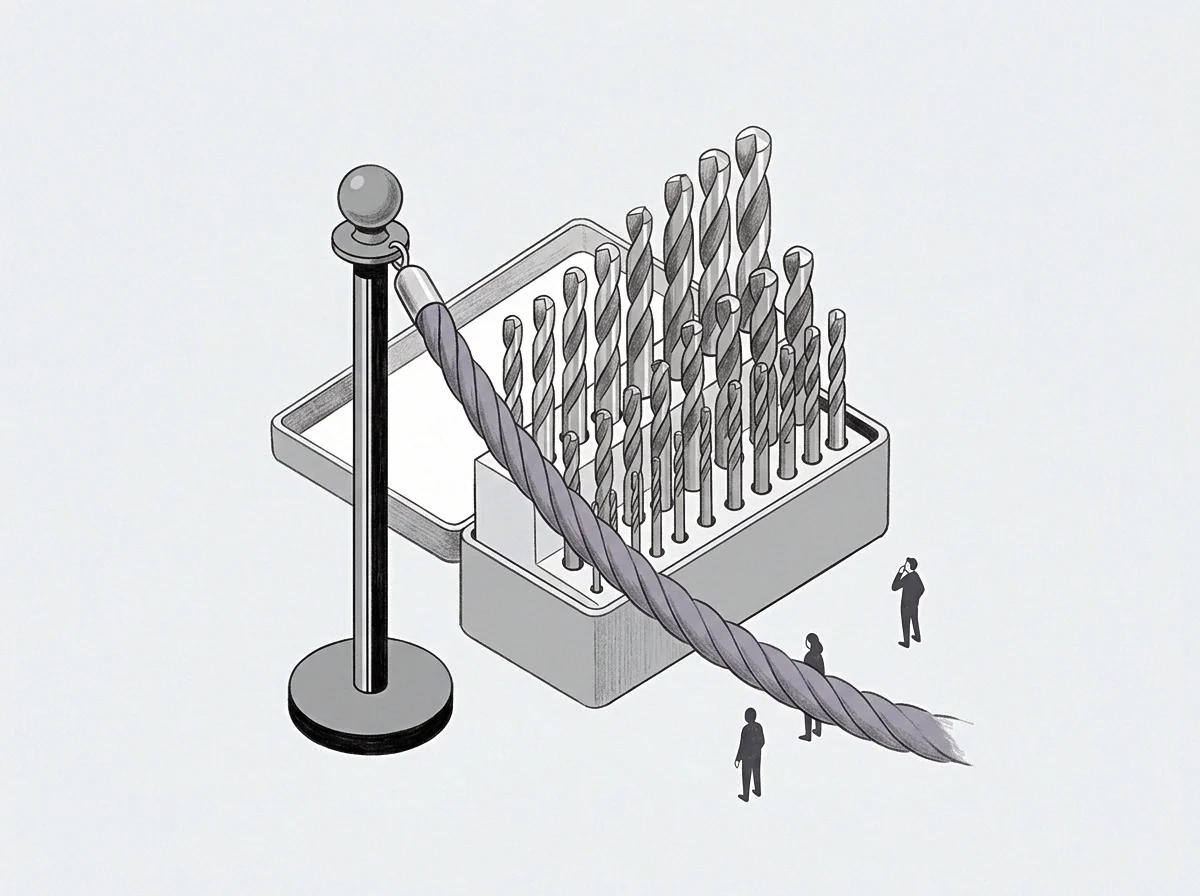
When Does Personal Capacity Turn Into a System Failure?
Operational bottlenecks emerge when personal effort takes the place of standardized governance. Once an organization scales past thirty employees, individual availability can no longer fix alignment issues across departments, and relying on personal discipline leads directly to operational delays.
Setting explicit structural terms protects leadership capacity while giving the organization clear operating rules. These limits typically take a few primary forms in growing companies:
- Scope Threshold Clauses fix the maximum number of simultaneous initiatives an engineering team accepts before requiring board review.
- Escalation Window Mandates limit client communication to defined service management hours, keeping off-hours messages from disrupting planning.
- Capital Commitment Ceilings assign spending authorization levels to department leaders.
A ninety day hard threshold on executive escalations forces functional heads to resolve inter-departmental friction within their own operational layers.

Gate
Structural barriers regulate incoming demands before issues reach executive leadership. Structural gating separates state-gated actions from decision-gated acts. By routing requests through objective governance gates, companies shield executive capacity from continuous operational noise.
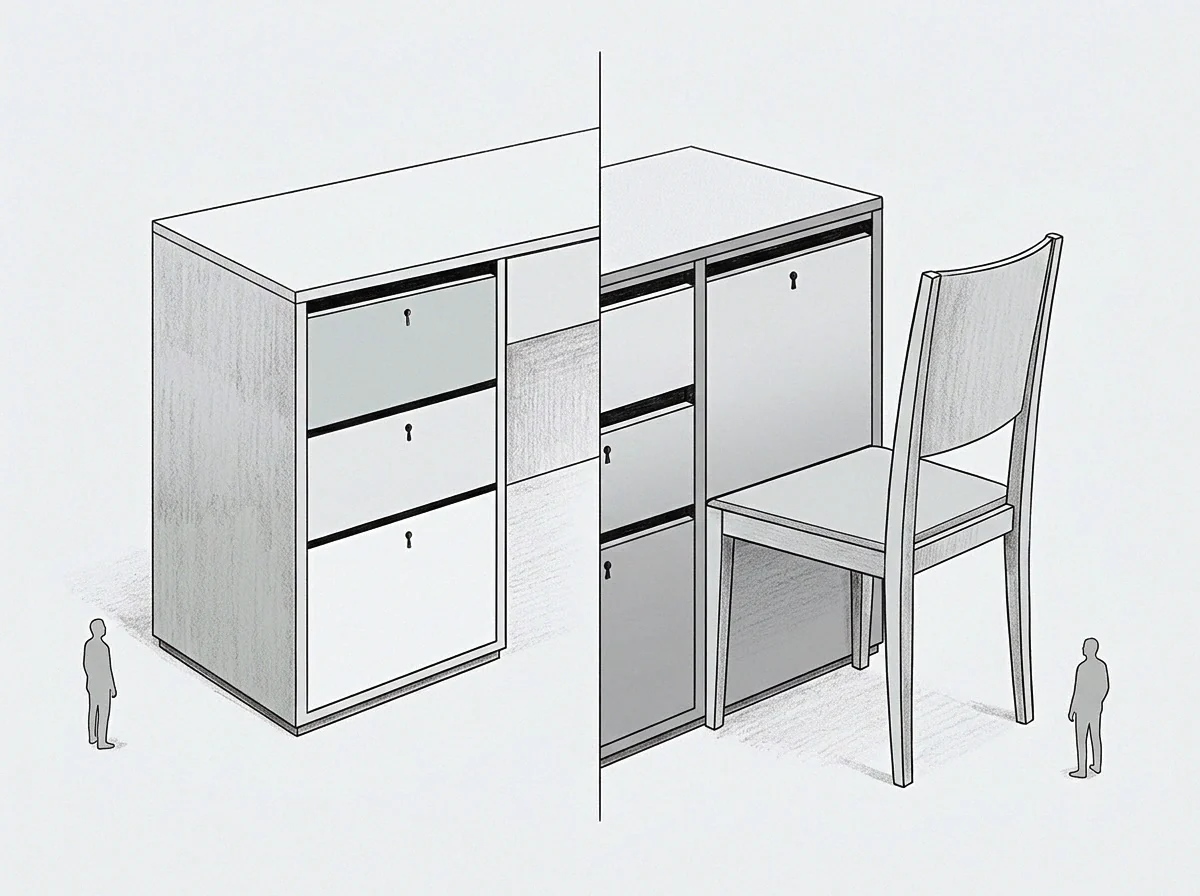
State-Gated Operational Acts Versus Decision-Gated Actions
Executive performance relies on physiological capacity setpoints that govern total output. High allostatic load impairs judgment, turning routine governance choices into taxing cognitive hurdles. A decision-gated act relies on conscious willpower, whereas a state-gated act requires sufficient cognitive headroom before it can begin.
Capacity drops under continuous pressure. As fatigue accumulates, decision quality declines rapidly. Structural gates prevent high-stakes corporate choices from happening during compromised states by building in required review periods and objective approval criteria.
When operational capacity hits physiological setpoints, further decision output yields degraded governance decisions across every active thread.
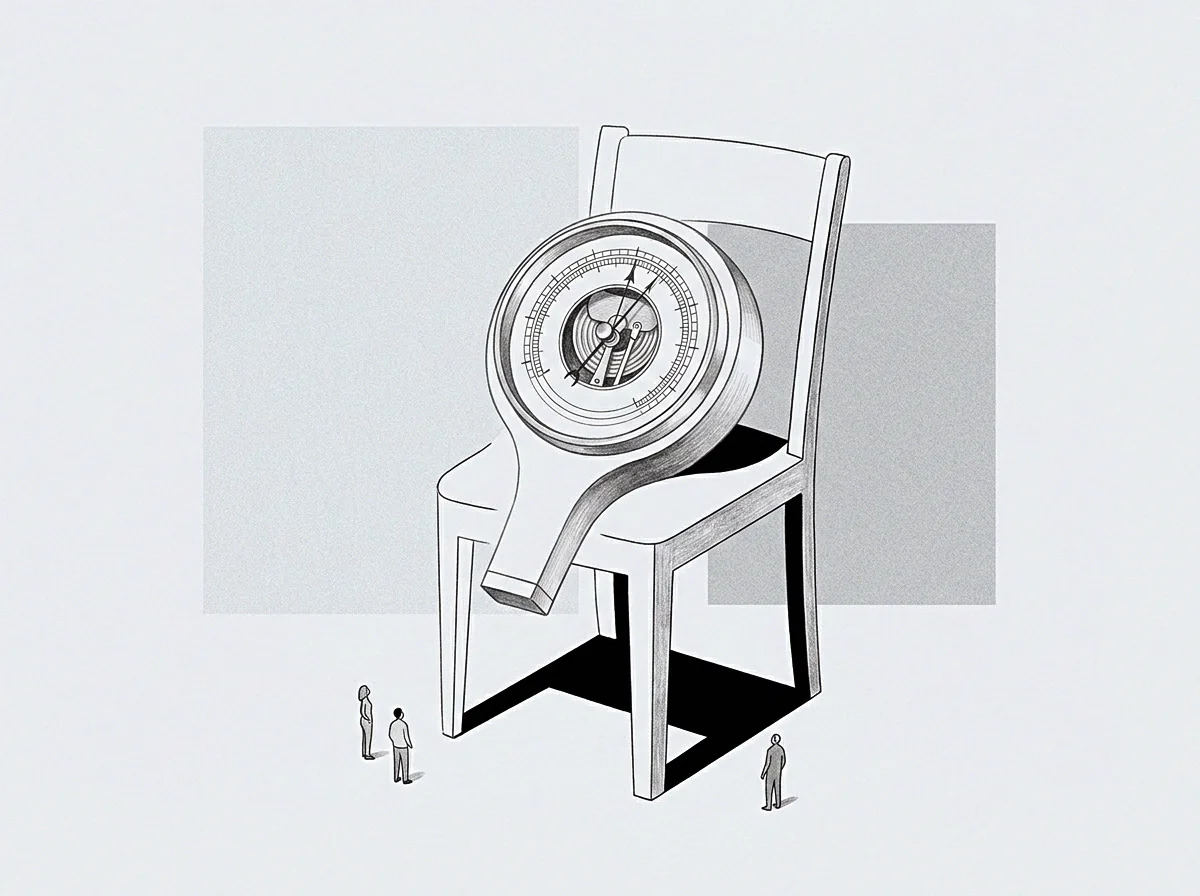
Load Distribution and Coregulative Architecture
Systems under continuous pressure require predictable structural release points. The introduction of structural gating usually follows a recognizable pattern in growing firms:
- Initial operational pressure pushes past soft individual preferences.
- The system increases incoming message volume during off-peak hours.
- Physiological setpoints reach capacity caps during critical strategic decisions.
- Governance quality drops across active corporate threads.
Operating without structural gating exposes the organization to systemic executive collapse during high-intensity market shifts.

Cost
The physical and operational resource depletion resulting from unmanaged systemic pressure follows a compounding curve. When growing companies fail to establish firm structural limits, the capacity cost manifests as executive turnover, strategic drift, and chronic organizational inefficiency.

Energy Allocation Across Functional Layers
Every organization operates within fixed internal resource limits. Substituting personal endurance for structural boundaries consumes energy that otherwise belongs to long-term enterprise value creation.
A stated limit provides the stability required for sustainable operational expansion. By replacing personal regulation with structural walls, growing companies build systems capable of absorbing market friction without exhausting executive leadership.
A system built without structural walls bills the operator in unrecoverable personal capacity.
The structural limit stands as an explicit wall, protecting operational continuity while personal endurance recedes into the background.