Meaning
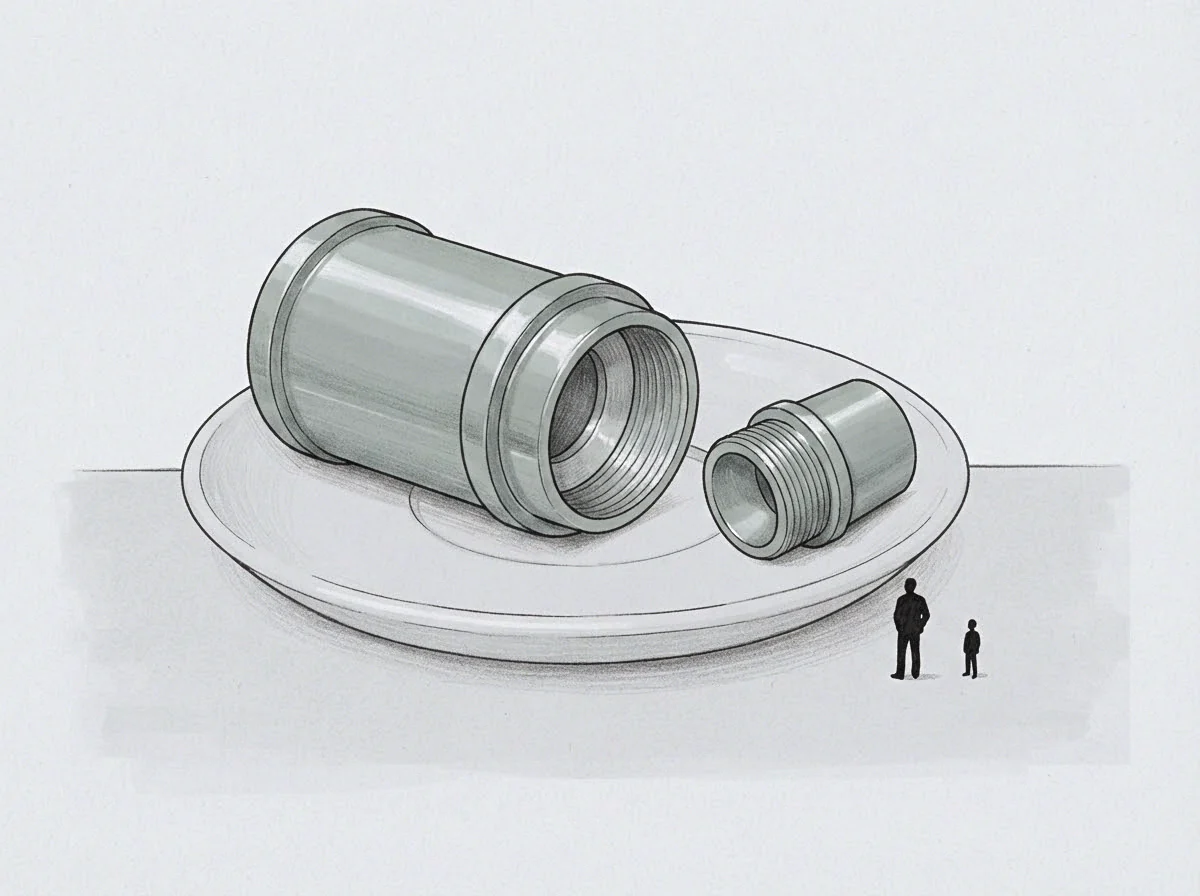
An intake latch functions as the mechanical threshold regulating the conversion of raw external signals into internal processed data units. The intake latch governs how much incoming noise a system accepts before rejecting additional inputs to maintain local processing stability. This device operates through a simple binary gate that alternates between open states for signal acquisition and closed states for buffer clearing.
It exists to protect the core logic from saturation during high-volume event spikes.
Operational Delay
Temporal lag often appears whenever the buffer reaches capacity because the hardware must clear existing entries before accepting new packets. Such delays occur naturally when the frequency of incoming data exceeds the throughput of the downstream processor. Total system availability remains high if the latching duration stays beneath the defined latency threshold.
Capacity Regulation
Managing the intake latch requires a calculation of the bandwidth required for nominal operation versus the volume of intermittent bursts. Founders typically calibrate this interval by measuring the time required for a singular event cycle to complete within the architecture. A well-tuned setting provides protection against cascading failures that arise when input buffers overflow and cause memory corruption.
Mechanical Constraint
Physical hardware limits dictate the absolute speed at which a gate closes and opens. Any attempt to force a faster cycle than the physical components allow results in skipped signals or data loss. Reliable regulation depends upon the alignment of software logic with the hardware clock speed.