
Structural Transition From Shock Absorber Executive To Hard Terms Architecture
Human shock absorbers absorb organizational variance until explicit hard terms convert personal capacity into structural setpoints.
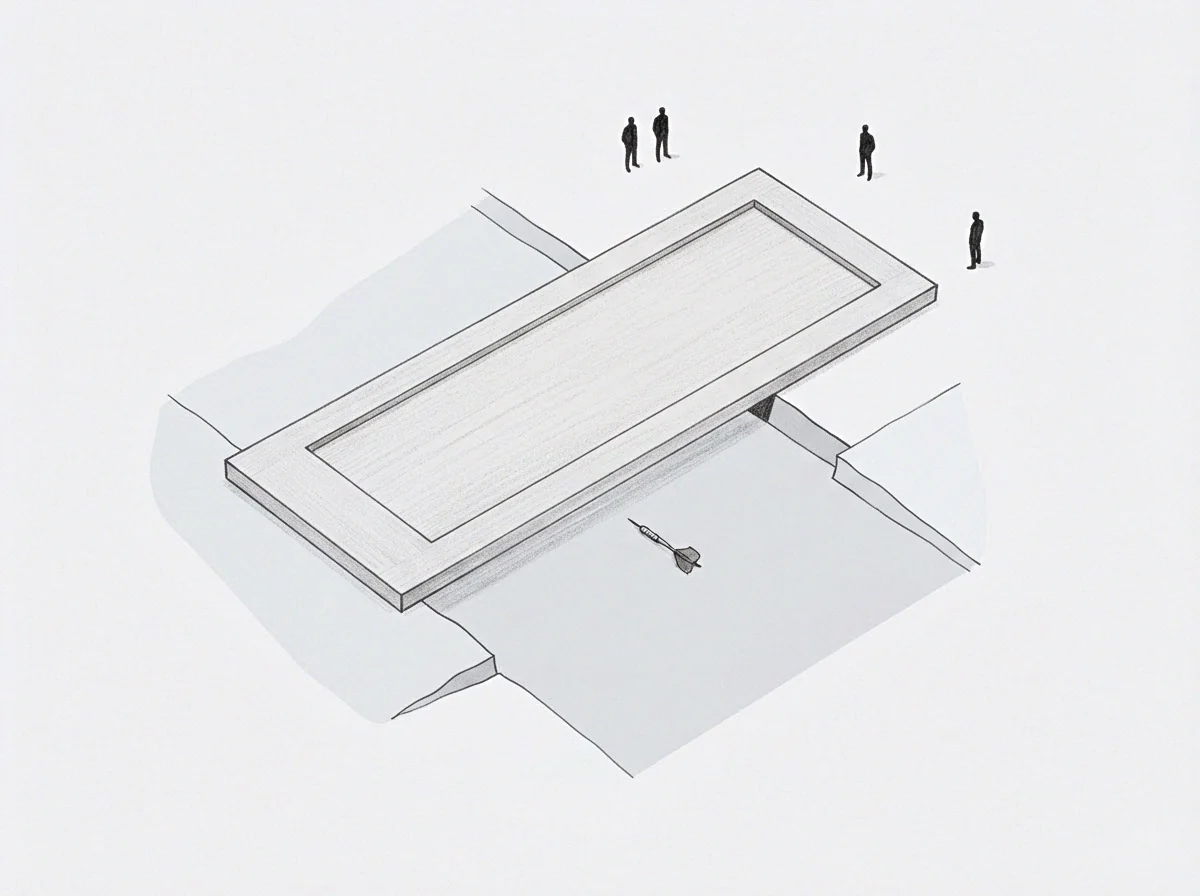
Gate
Four operational threads remain open on a monitor at midnight while internal processing headroom hits absolute zero. The partner sends another urgent clarification request regarding product specifications. The lead developer submits an unreviewed architecture change.
The client asks for a morning timeline adjustment. No structural barrier stands between these incoming requests and the executive setpoint. The individual in the seat processes each incoming demand directly, absorbing team anxiety, timeline friction, and strategic ambiguity into personal capacity.
An unstated setpoint forces the regulator to absorb every operational variance until personal capacity hits absolute zero.
Load shifts. The organization relies on the executive to buffer operational turbulence. When a system lacks explicit written setpoints, incoming load flows directly to the human buffer.
The human buffer absorbs operational variance, holding team coordination together through manual effort. This dynamic creates a reliance on personal regulation rather than institutional design. Headroom declines under pressure.
The executive remains available across all channels, granting immediate access to incoming demands.
The internal cost of continuous shock absorption accumulates quietly across fiscal quarters. Allostatic load rises as the executive continuously dampens organizational friction. The enterprise observes steady execution and concludes that current operational bandwidth is sufficient.
Silence acts. Because no term specifies capacity limits, the enterprise expands its demands. Operating as an unhedged operational buffer drains personal headroom long before the organization builds its own structural discipline.
Relay
Incoming organizational demands move along clear lines of transmission within any company. When an operational node encounters unresolved friction, it seeks a point of absorption. In early ventures, the executive seat functions as that default destination.
The system shifts unresolved variance upward because no formal terms block the transfer.
Operational Variance and the Human Setpoint
Unhedged operational pipelines pass volatility straight to leadership. Consider two operational arrangements across a three-year build. In the first arrangement, two operators build without stated operational terms.
Every budget disagreement, feature reprioritization, and vendor delay routes directly to the founder. The founder dampens the friction through late-night work sessions and informal coregulation. In the second arrangement, the founder establishes explicit SLAs, scheduled review gates, and explicit budget caps.
Operational variance meets written limits rather than human stamina.
- Initial load absorption occurs when an executive dampens early operational variance to maintain smooth execution across teams.
- Concealed signal transmission develops as partners read uninterrupted output without seeing the rising internal allostatic cost.
- Saturated concurrency limits emerge when parallel operational demands overwhelm personal processing bandwidth.
- Systemic operational freeze happens the moment personal capacity drops to zero without structural backups in place.
Terms filter incoming friction. Transitioning away from shock absorption demands replacing human buffering with hard terms architecture. A hard terms architecture specifies explicit capacity limits, response windows, and decision authority.
The system meets a written limit instead of a person. When an incoming demand hits a hard term, the organization resolves the friction at its source.
A calm executive response is routinely read as an open invitation for more incoming variance.
The shift from human absorption to structural terms alters how counterparties calculate availability. Partners initially interpret structural constraints as relational distance or unresponsiveness. The organization has grown accustomed to instant personal buffer capacity.
The seat carries capacity. When the executive stops absorbing variance manually, the hidden cost of team inefficiency becomes visible on operational spreadsheets. The executive was always available for late interventions, so the project timeline assumed that baseline.
Vault
Structural constraints establish permanent setpoints around executive processing bandwidth. A hard terms architecture replaces personal availability with defined rules of operational engagement. These terms operate as physical setpoints within the enterprise, governing how information and decisions move across seats.
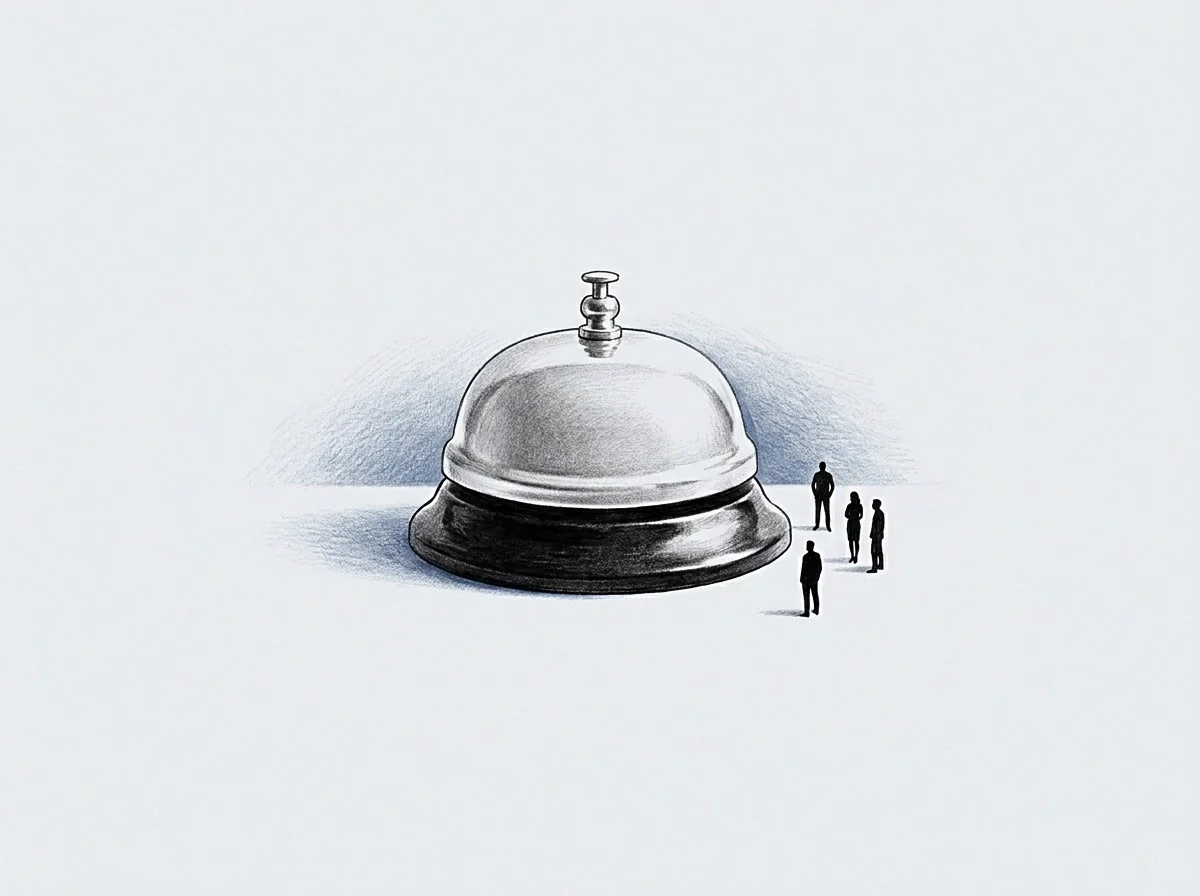
What Stated Setpoints Alter Relational Load?
Written parameters redefine how capacity is allocated across parallel operational demands. When terms are explicitly stated, the organization shifts from personal dependence to rule-based execution. The table below compares the functional properties of human shock absorption against hard terms architecture across key operational dimensions.
| Operational Dimension | Shock Absorber Model | Hard Terms Architecture |
|---|---|---|
| Load Distribution | Executive absorbs team friction directly | System distributes variance via terms |
| Response Latency | Real-time availability expected | Fixed review windows and SLAs |
| Concurrency Floor | Uncapped parallel processing threads | Explicit three-thread concurrency limit |
| Capacity Derivation | Silence interpreted as open capacity | Stated position defines availability |
State governs output. Operating under continuous load alters the executive transfer function, changing how inputs produce operational decisions. A state-gated act cannot occur when processing headroom is depleted, regardless of conscious intent or willpower.
High allostatic load blocks complex decision processing. Establishing hard terms protects the executive state, ensuring processing headroom remains available for strategic evaluation.
- The executive states explicit response windows and written operational limits once.
- The load-transferring system tests the stated boundary by pushing incoming work past the defined setpoint.
- The hard term holds firm without personal intervention, forcing the system to redirect variance elsewhere.
The wall remains stationary. Hard terms convert decision-gated tasks into systemic protocols. When operational limits exist as external terms, the executive avoids negotiating availability on every incoming message.
Position establishes cost. The enterprise adapts to stated constraints once the wall remains firm across multiple operational cycles.
Stating hard terms once shifts the operational burden back onto the organization where structural capacity belongs.
Specifying a maximum three-thread concurrency limit changes incoming work allocation from an open queue into a scheduled sequence.
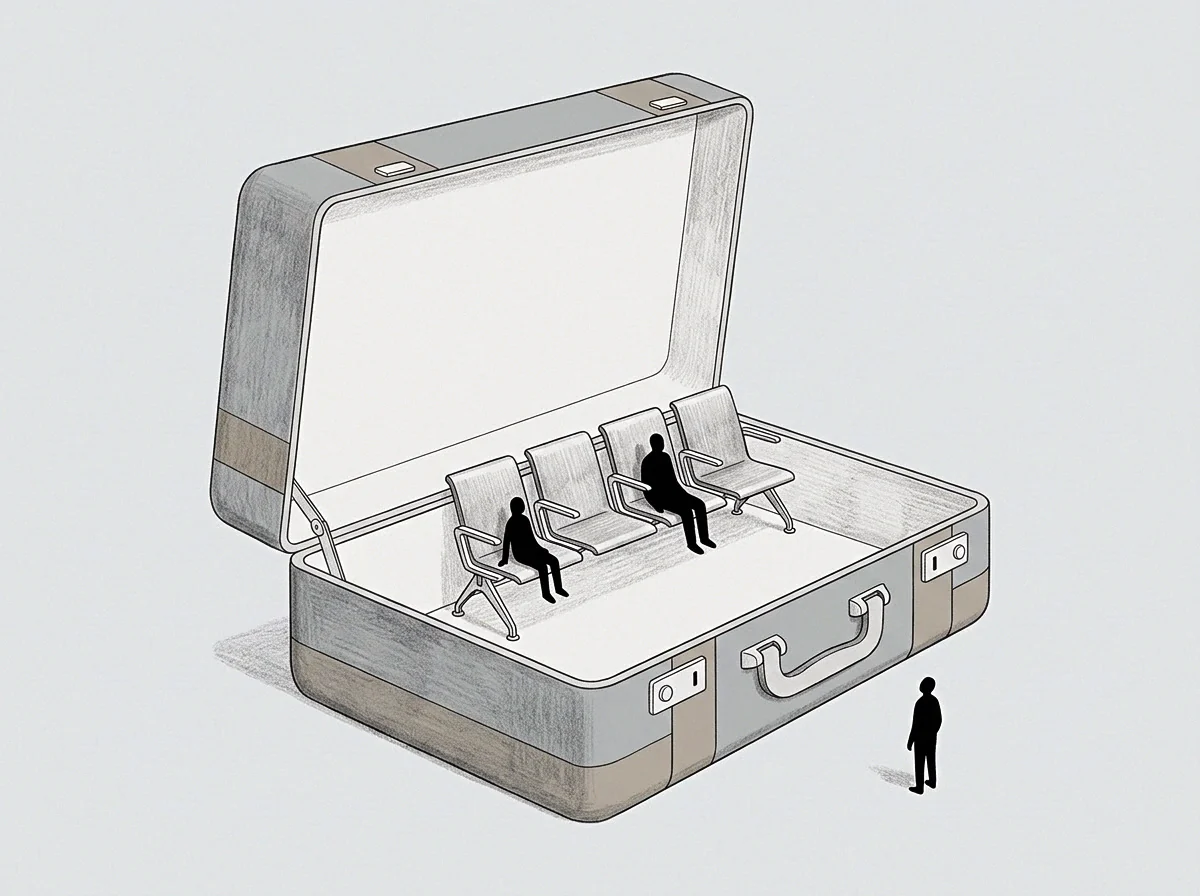
Yield
Operational pings decrease as counterparty derivation matures. In early operational phases, team members send frequent status checks to probe for executive availability. When response latency is variable and limits are unstated, incoming message volume rises.
The ping serves as a low-cost priority probe.

Availability Derived Through Position and Silence
Counterparties calculate availability by observing response patterns rather than reading policy memos. Silence acts as position when backed by established operational terms. If an executive establishes a written policy that non-critical code reviews occur only on Tuesday and Thursday afternoons, a message sent on Wednesday morning remains unanswered without generating relational friction.
The counterparty derives availability directly from the stated terms.
The term defines setpoints. In industrial manufacturing, mechanical dampers bear stress to protect structural frames from structural fatigue. Human shock absorbers in corporate governance perform a matching function, absorbing volatility until organizational protocols mature.
Relying indefinitely on human damping delays necessary infrastructure development. Pings measure urgency. When hard terms are enforced, counterparties adjust their internal problem-solving capacity, resolving operational issues locally before escalating.
The channel that refrains from constant pinging reflects a system that respects stated operational constraints.
How far an organization can maintain operational velocity without using human shock absorbers remains a point of active operational debate.
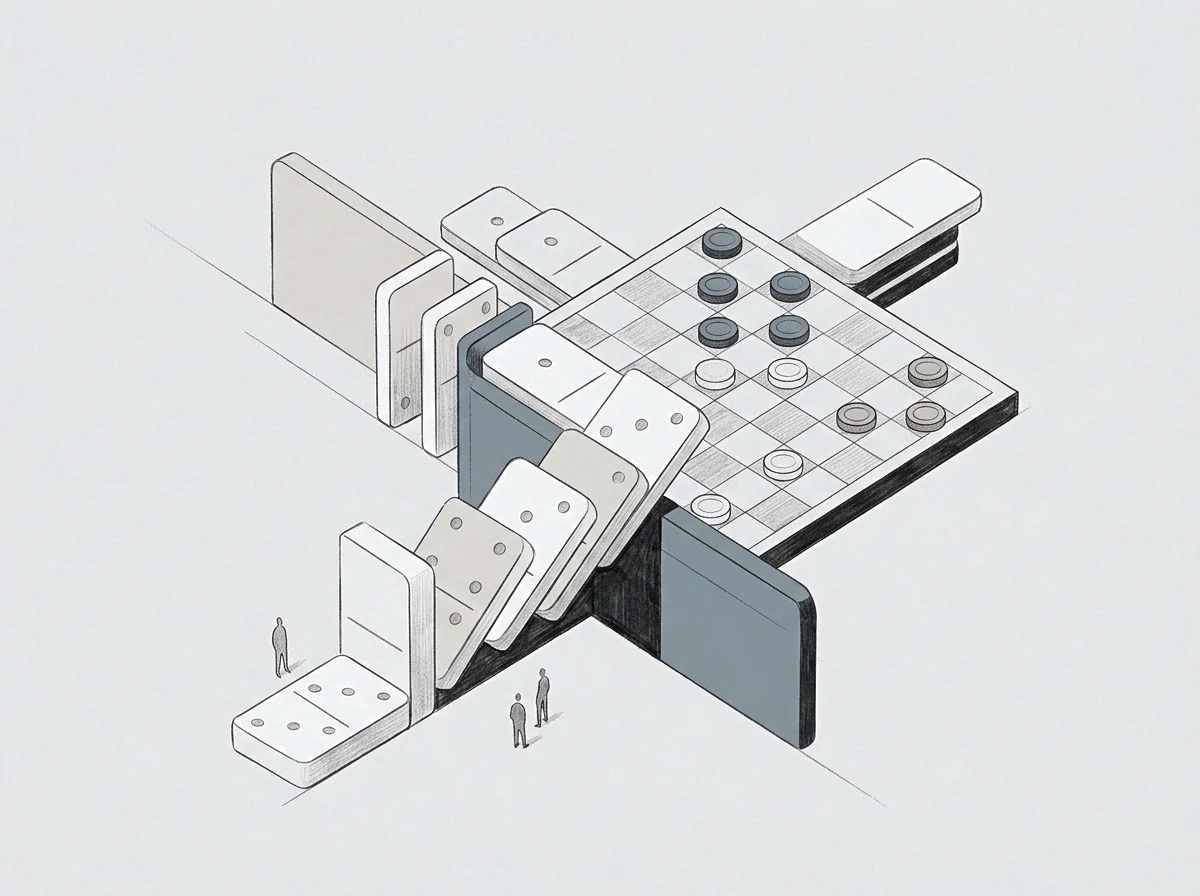
Anchor
Long-term execution stability requires separating operational setpoints from executive mood. Mood is an ephemeral systemic output carrying zero structural information. State, conversely, defines the fundamental transfer function governing how inputs yield organizational decisions.
Hard terms architecture anchors systemic operations to explicit setpoints, isolating corporate execution from internal capacity fluctuations.
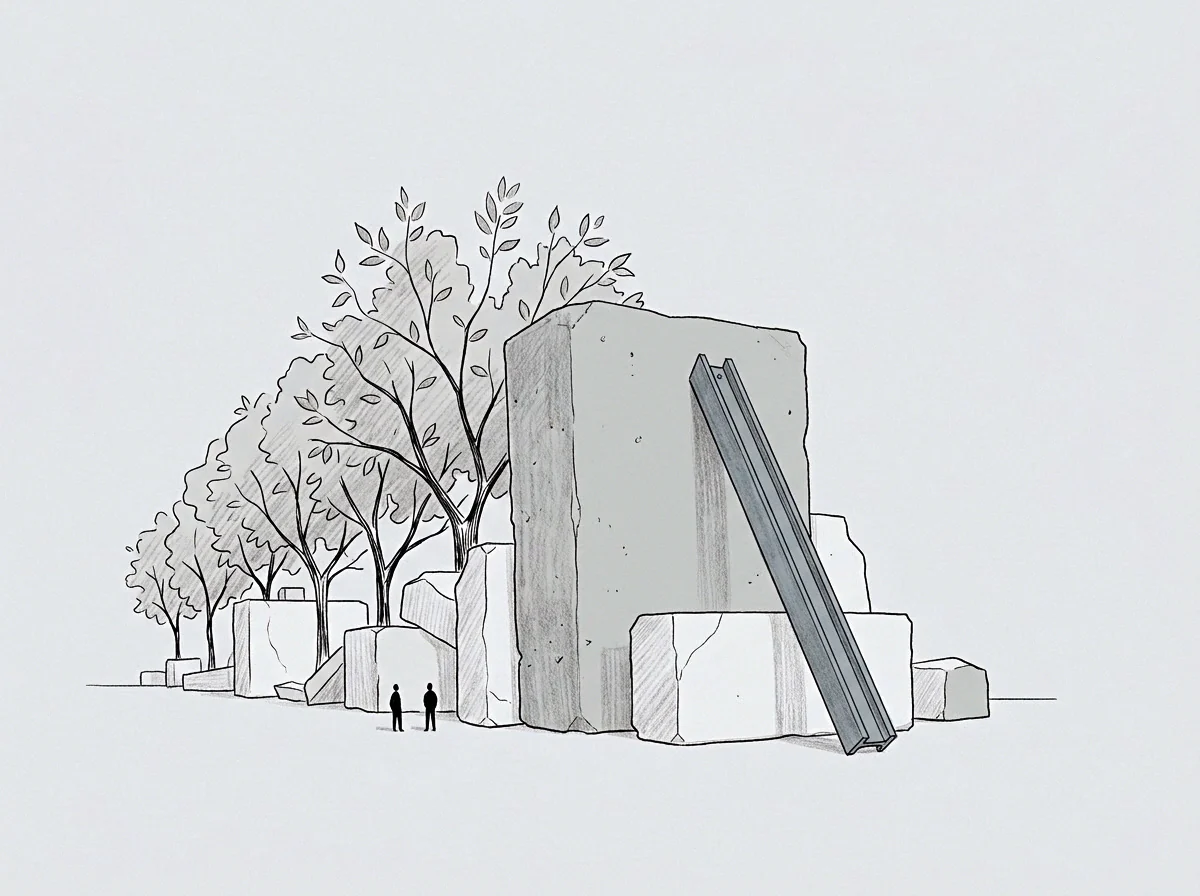
Sustaining Structural Constraints Over Operational Habit
Enterprise habits push constantly against new operational setpoints. When operational pressure rises, team members attempt to revert to old communication patterns, sending direct pings and requesting real-time interventions. The setpoint holds.
The executive maintains the hard terms architecture by letting incoming load meet stated walls rather than stepping back into the human shock absorber seat.
Variance hits the wall. The enterprise eventually internalizes the hard terms architecture as operational reality. As team members adapt to defined SLAs and explicit concurrency limits, organizational self-regulation increases.
The executive seat shifts from an active emotional buffer to a structural position governed by clear terms, protecting executive capacity for high-leverage decisions.
A hard term stated without personal defense creates the structural boundary an incoming load cannot move.