
Calibrating Autonomic Capacity Thresholds During Sustained High Load Executive Restructuring Cycles
Autonomic throttling during executive restructuring protects systemic operational capacity by shedding un-gated initiative generation to preserve core task execution under high allostatic wear.

Headroom
Four major reporting structures sit unresolved on an executive desk during an enterprise reorganization. Financial targets require immediate recalculation, two division leads contest overlapping operational authority, and key talent awaits structural clarification before committing to next-quarter deliverables. In this environment, the physiological baseline of the leader shifts.
The sympathetic nervous system maintains continuous elevated activity, elevating resting heart rate and dampening heart rate variability across entire business quarters. Autonomic capacity represents the actual biological reserve available to absorb sudden operational shocks, process complex ambiguous data, and regulate relational friction without triggering defensive behavioral escalation.
When high-load executive restructuring cycles extend past initial transition windows, total load accumulates at a rate that outpaces metabolic recovery. Allostatic load names the structural wear that chronic biological adaptation imposes on cardiovascular, neuroendocrine, and metabolic systems. The baseline rises.
Under prolonged restructuring, operational complexity converts directly into physiological load. Every un-gated decision thread acts as a continuous sensory input that prevents the autonomic nervous system from dropping into restorative parasympathetic dominance, even during scheduled sleep windows.
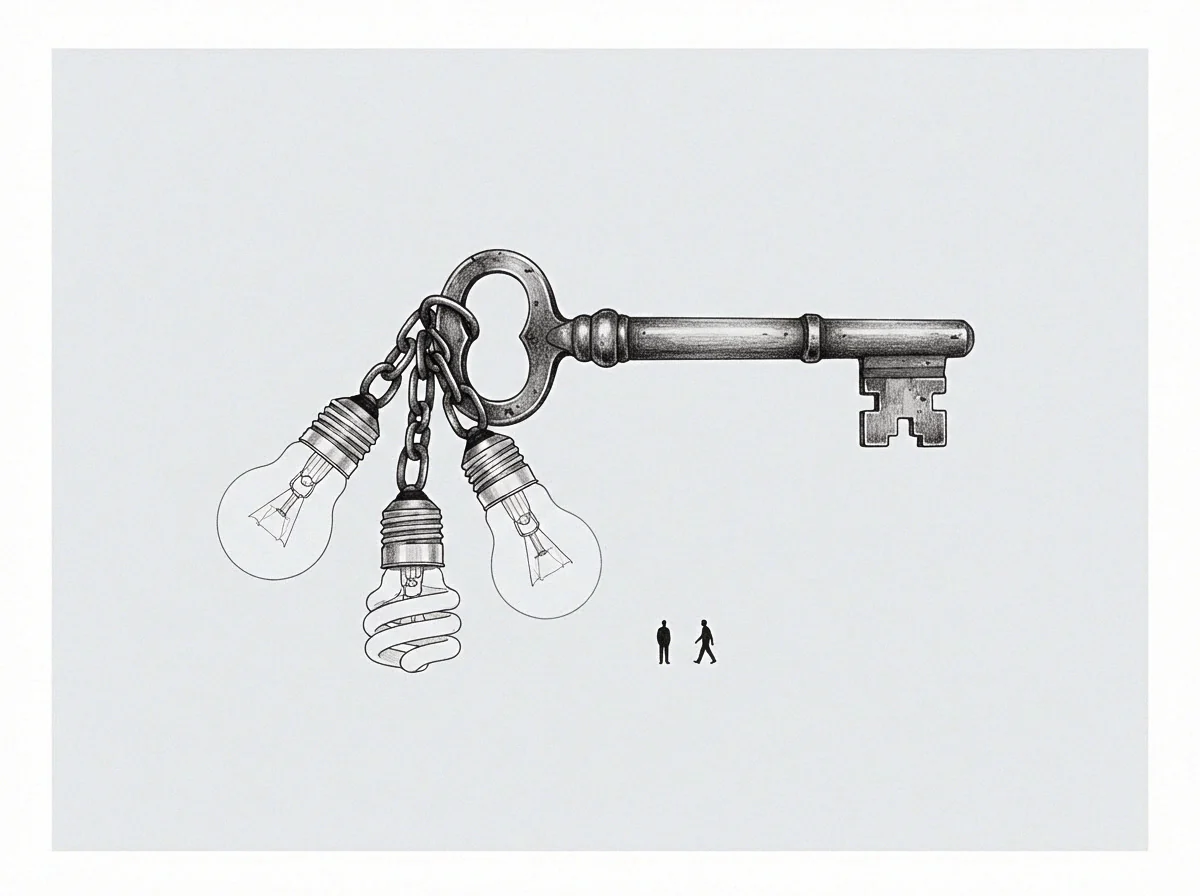
Autonomic Baseline Shifts Under Continuous Restructuring
Physiological measurement in executive populations demonstrates that sustained decision density during structural change alters baseline neuroendocrine output. Ambulatory monitoring of heart rate variability confirms a predictable decline in high-frequency autonomic power during multi-month divestments or post-merger realignments. This metric rests on continuous electrocardiographic sampling across active operational leads during acute structural transitions.
The physiological condition remains valid over six to twelve-week intervals. The measurement shifts only when primary adrenal depletion replaces high autonomic sympathetic tone, marking the boundary between adaptive metabolic expenditure and cellular exhaustion.
Capacity is finite. The primary failure mode during executive restructuring occurs when organizational boards treat executive capacity as an elastic psychological state rather than a bounded biological constraint. When incoming organizational friction exceeds available autonomic headroom, the executive system automatically sheds non-essential cognitive functions.
Strategic exploratory thinking stops first. Empathic listening for nuanced organizational signals drops second. The slot remains closed.
Systemic capacity sheds strategic exploration to defend basic operational execution when sympathetic tone stays elevated across multiple quarters.

Operational Drivers of Biological Wear
Specific structural configurations escalate physiological wear faster than simple workload hours. Ambiguous authority lines generate continuous cognitive scanning, forcing the nervous system to remain in high-vigilance threat monitoring. Unstated severance terms or un-gated timeline shifts force the executive to hold multiple contradictory future states in active cognitive working memory simultaneously.
The switching cost of moving between conflicting stakeholder expectations burns metabolic glucose at an accelerated rate.
Restructuring cycles often combine operational ambiguity with high relational demands from subordinates seeking emotional grounding. The executive absorbs external organizational anxiety while lacking an internal buffer to process their own regulatory demands. Execution continues.
The accumulation of these operational friction points compresses available autonomic headroom to zero, leaving the organization vulnerable to sudden leadership collapse under minor unexpected setbacks. When total incoming demand breaches the biological ceiling, an executive loses the internal capacity to choose their response timing, reacting defensively to routine administrative inputs.

Channel
Information flows through organizational conduits, but emotional regulation travels through personal interactions. Social baseline theory establishes that human beings offload regulatory effort onto proximate, trusted operational partners. Proximity to an aligned co-leader or an operational peer significantly reduces the metabolic cost of managing complex structural threats.
When a restructuring cycle isolates an executive, removing trusted operational peers through elimination or re-assignment, the biological cost of self-regulation spikes sharply.
The total count of un-gated communication threads directly determines the ongoing drain on executive capacity. An un-gated thread lacks a clear owner, a fixed decision date, and predefined termination terms. The nervous system registers every un-gated thread as an open loop requiring ongoing subconscious monitoring.
Noise fills open loops.

Structural Concurrency and Communication Drain
Executive capacity breaks not under the total volume of work, but under the number of simultaneous un-gated loops held in active awareness. Managing six fully structured restructuring projects with clear metrics consumes less biological headroom than holding three open-ended interpersonal disputes regarding executive compensation or authority boundaries. The count remains four.
- Ungated Operational Loop consumes active cognitive slots by forcing continuous threat scanning without definitive resolution dates or bound risk parameters.
- Borrowed Interpersonal Regulation lowers biological expenditures during structural shifts through direct alignment with trusted operational counterparties.
- Asymmetrical Communication Expectation forces continuous physiological monitoring of digital incoming channels, preventing complete parasympathetic recovery cycles.
- Unbounded Relational Contract generates persistent cognitive load because performance expectations remain fluid during organizational realignment phases.
When communication conduits remain continuously active through digital messaging, the executive system loses the ability to establish clear operational boundaries. Every incoming notification triggers a micro-spike in cortisol and cortisol-mediated alertness. Over months of restructuring, these continuous micro-spikes prevent the recovery of metabolic baseline parameters.
Terms fix the load.
Unbounded communication channels convert static structural problems into continuous biological stress inputs.
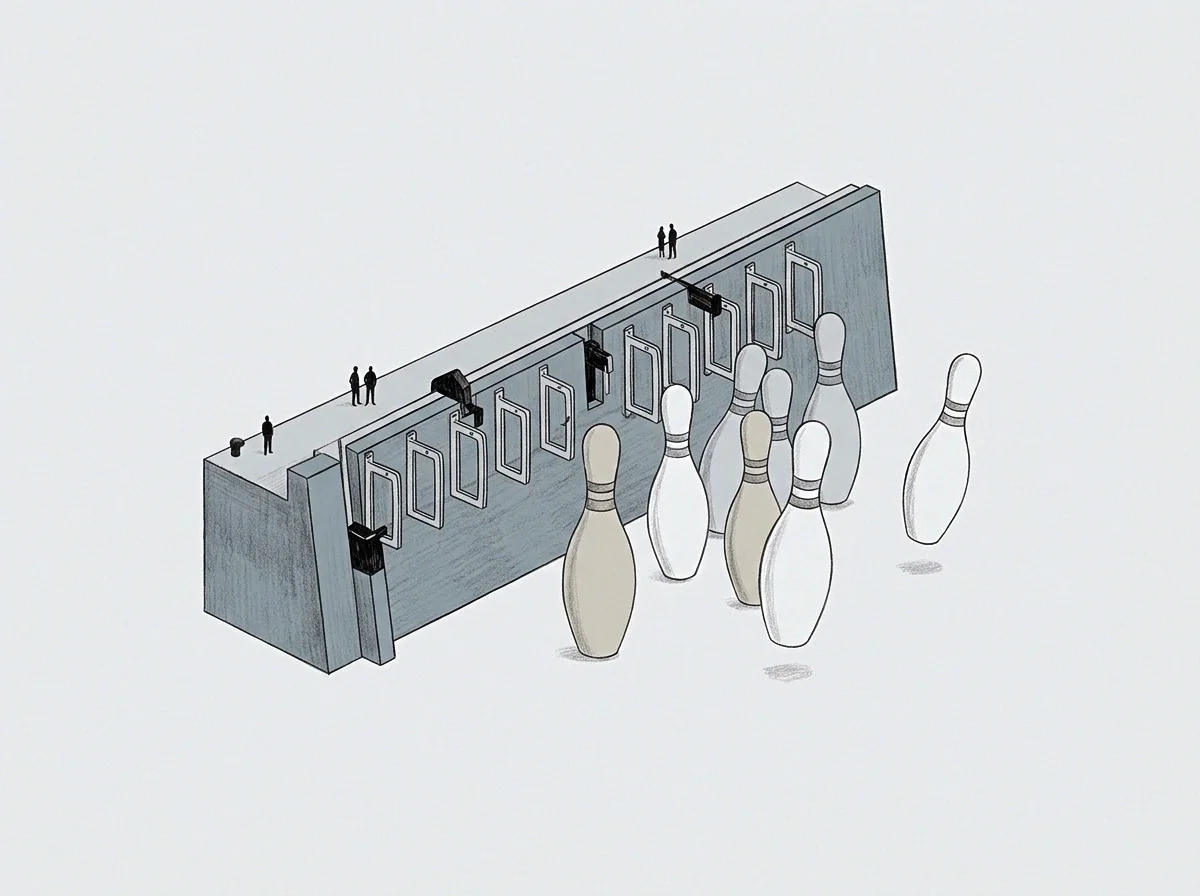
The Cost of Asymmetrical Regulation Demand
During structural change, lower-level managers look to executive leadership to absorb uncertainty. The executive acts as a primary emotional ballast for the organization. Holding stability for three hundred employees while executing a severe headcount reduction requires continuous active suppression of personal emotional responses.
The cost of this active suppression is paid directly from the executive’s metabolic reserve.
Silence carries a cost. When an executive reaches the limits of their regulatory channel, their operational communications flatten. Messages become brief, directive, and devoid of relational warmth.
Counterparties often misinterpret this biological shedding as hostility or strategic disinterest, escalating political resistance exactly when structural alignment is most required.
The partner in an adjacent operational seat reads the emotional absence as intentional withdrawal and demands immediate, explicit reassurance regarding their own structural standing.
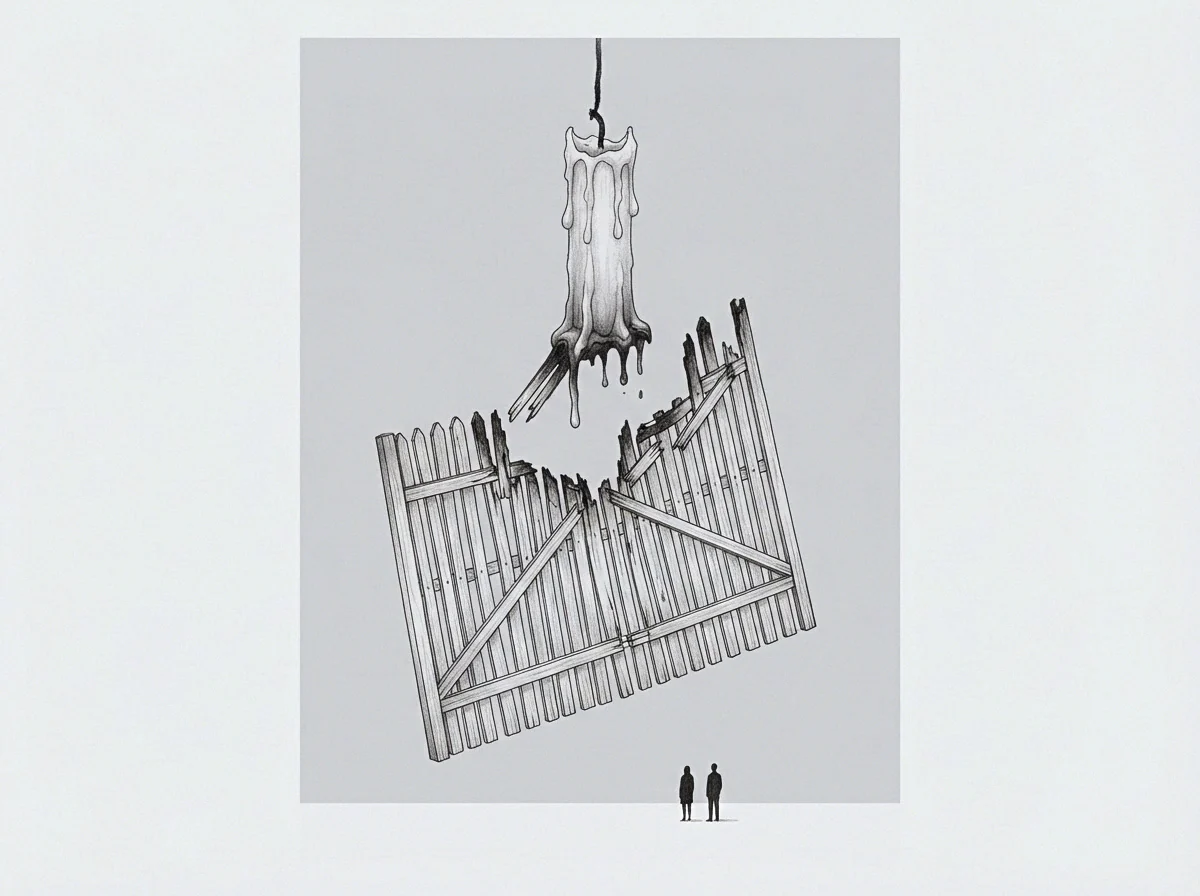
Damping
Systemic conservation mechanisms trigger automatically when autonomic reserves fall below critical thresholds. The human nervous system enforces a protective shutdown sequence to prevent total physiological breakdown under chronic high load. In corporate restructuring environments, observers frequently misdiagnose this protective biological damping as clinical depression or strategic disengagement.
The distinction carries massive consequences for executive governance and structural continuity.
Throttling represents an active, functional biological defense mechanism. The nervous system intentionally suppresses non-essential output, including self-initiated strategic actions, to protect core executive function and basic life maintenance. Clinical depression involves pervasive affect flattening and generalized operational paralysis.
A throttled executive continues executing routine, pre-gated operational tasks with high precision while completely lacking the capacity to generate novel initiatives or engage in voluntary social interactions.

What Separates Systemic Throttling From Pathological Depressive Atrophy?
Differentiating between biological throttling and clinical depressive failure requires evaluating specific operational performance metrics under structural load. Data replaces speculation.
| Operational Parameter | Autonomic Throttling State | Clinical Depressive Failure |
|---|---|---|
| Initiative Generation | Suppressed; limited strictly to high-priority pre-gated tasks | Absent across all operational and personal domains |
| Task Execution | Preserved for structured, low-ambiguity deliverables | Severely impaired regardless of task structure or urgency |
| Autonomic Tone | High sympathetic baseline with compressed high-frequency HRV | Low autonomic reactivity with persistent hypo-arousal |
| Response to Clear Bounds | Immediate capacity recovery when scope and terms are fixed | Minimal operational response to structural boundary changes |
The field demonstrates clear diagnostic criteria separating these states, resting on standard occupational health profiles across executive populations. The exact temporal tipping point where continuous autonomic throttling transitions into permanent neuroendocrine exhaustion remains difficult to isolate empirically. Under this diagnostic uncertainty, a prudent board establishes fixed time boundaries on restructuring phases, enforcing mandatory operational handovers after ninety consecutive days of high-load execution regardless of an executive’s subjective statements of stamina.

Mechanisms of Self-Initiated Task Suppression
When biological damping takes effect, the executive loses access to creative risk-taking. The neurobiological machinery required to project dynamic future scenarios and evaluate unstructured opportunities demands substantial prefrontal cortical energy. When autonomic capacity is depleted, the brain shifts resources away from the prefrontal cortex toward subcortical survival centers.
Scope dictates wear.
Biological throttling sheds voluntary initiative generation to preserve the execution of core contractual commitments under extreme load.
The executive stops initiating spontaneous strategic conversations. They answer emails, sign off on pre-approved budgets, and attend mandatory board meetings, but they cease introducing new operational concepts. The board waits.
This change in behavior marks the transition from proactive leadership to biological defense. Treating this state with calls for greater personal motivation or enhanced hustle escalates biological strain, accelerating systemic shutdown.
A formal clause establishing an explicit operational pause when key metrics breach predefined thresholds restores executive capacity faster than any psychological intervention.

Room
Physical spatial boundaries dictate biological processing efficiency. An executive operating from an open, accessible office space during a restructuring cycle experiences continuous, unpredictable environmental inputs. Every physical interruption, unannounced drop-in, or spatial intrusion acts as a micro-stimulus that maintains elevated sympathetic tone.
Isolating decision environments creates the physical buffer required to process complex structural decisions without continuous sensory overload.
In naval architecture, structural dampeners isolates physical force to prevent hull fracture during severe storms. Organizational design requires identical physical and schedule isolation chambers for executive decision-makers during high-load restructuring phases. Creating an environment free from real-time operational pings allows the autonomic nervous system to shift briefly into parasympathetic processing, restoring baseline cognitive clarity.
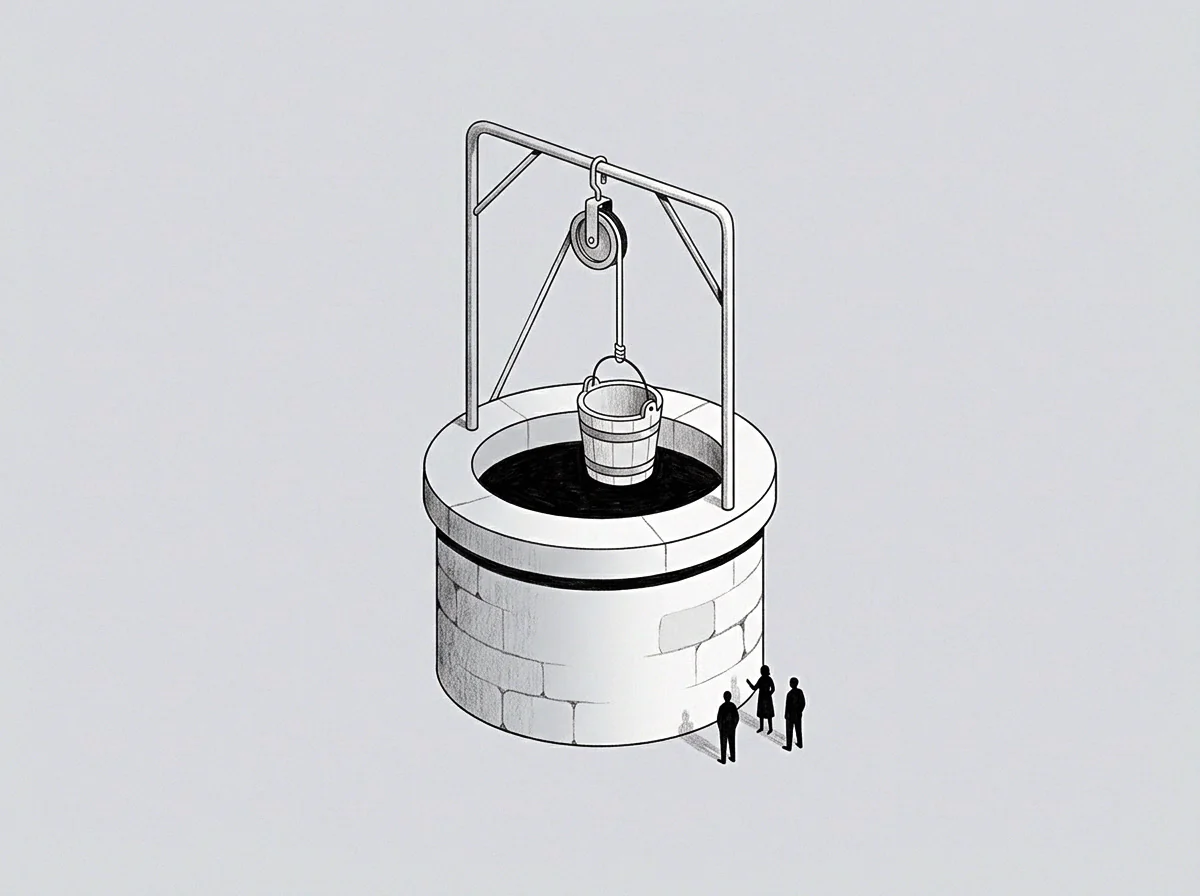
Slot Arithmetic and Schedule Boundaries
Time management strategies consistently fail during restructuring because they manage minutes rather than autonomic slots. An executive has a fixed number of high-capacity cognitive slots available each day, typically between two and four depending on historical allostatic load. Attempting to schedule eight consecutive high-stakes restructuring negotiations in a single day violates biological slot arithmetic.
Action follows structure. Rest cleans the buffer. When schedule density exceeds available cognitive slots, decision quality degrades rapidly.
The executive defaults to defensive, low-complexity decision pathways, often approving sub-optimal structural terms simply to clear the cognitive input from their active workspace.
Physical spatial isolation and strict slot arithmetic protect decision integrity during high-load organizational transitions.
The physical desk itself reflects internal capacity states. When an executive accumulates stacks of physical files, multiple open screens, and an un-cleared physical workspace, these environment elements act as external spatial reminders of un-gated operational loops, maintaining low-grade autonomic tension even during administrative periods.
What remains unmeasured is the exact biological recovery rate of an executive who secures physical spatial isolation but maintains continuous mental monitoring of digital organizational channels?

Overhang
Completing the formal structural reorganization does not instantly clear accumulated allostatic load. The structural overhang consists of residual un-gated operational loops, lingering relational ambiguity, and the biological debt accumulated across months of elevated sympathetic activation. Assuming an executive will immediately return to full creative performance upon signing restructuring agreements misjudges human physiological capacity.
Clearing the overhang requires a deliberate process of thread gating, structural stabilization, and metabolic restoration. The organization must transition from emergency restructuring protocols to steady-state operational boundaries with explicit parameters.

Thread Gating Protocols for Systemic Recovery
Restoring autonomic headroom requires converting every remaining open loop into a fully gated operational item. An open loop closed through explicit terms instantly frees biological capacity for strategic work.
- Define explicit boundaries for every pending operational decision, assigning single-point ownership and strict scope limits.
- Establish fixed decision dates, eliminating daily speculative meetings and continuous status pinging across communication channels.
- State explicit failure and success terms in writing, removing the need for continuous relational scanning and political positioning.
- Park low-priority operational initiatives in formal archives, explicitly releasing the executive from tracking their progress during recovery windows.
Executing these four steps systematically reduces the count of active operational threads, allowing the executive’s autonomic baseline to settle back toward normal physiological ranges. The limit holds.
Systemic operational recovery requires converting every un-gated restructuring loop into a hard-parameterized task with explicit terms.

Establishing Post-Restructuring Equilibrium
The transition to post-restructuring steady state demands structural enforcement of operational limits. Boards must establish strict governance guardrails that prevent the immediate re-accumulation of un-gated projects. Capacity thresholds must be calculated using realistic biological metrics rather than idealized performance expectations.
When the executive system receives consistent signals of structural stability, clear authority lines, and predictable communication rhythms, the autonomic baseline normalizes. Parasympathetic recovery cycles return during standard rest periods. The organization regains its capacity for strategic innovation, dynamic adaptation, and resilient execution.
A stated operational bound coupled with explicit decision dates restores biological capacity far more effectively than un-gated promises of future workload reduction.