
Gating Open Operational Threads To Restore Executive Capacity Limits
Gating active demands by scope and timeline preserves executive capacity limits by capping the physiological toll of unclosed operational loops.

Room
Four browser windows remain open beside a spreadsheet at midnight while incoming messages generate alerts on two phones. The founder sits at the physical desk attempting to review a vendor agreement, yet cognitive throughput remains frozen by eighteen concurrent inquiries regarding deployment dates, client churn, and payroll approvals. Each unresolved inquiry functions as an active claim on executive attention, holding metabolic activation high while meaningful action stops completely.
The physiological state resembles paralysis, though the calendar records ten hours of unbroken activity.
Executive exhaustion under heavy operational volume stems from the maintenance of concurrent open loops rather than the physical hours logged at a desk. When operational items arrive without scope or clear delivery dates, the central nervous system allocates working memory slots to monitor each pending outcome. Cognitive science documents how uncompleted tasks trigger intrusive thoughts and micro-arousals, a pattern first isolated in memory retention experiments.
In corporate leadership, this persistent background tracking creates an unsustainable allostatic load, defined as the cumulative physiological wear resulting from chronic neuroendocrine responses to sustained demand. The biological system secretes cortisol and catecholamines continuously to hold items in readiness, depleting glucose stores in prefrontal circuits responsible for synthesis, planning, and impulse regulation.
Unclosed operational lines deplete metabolic reserves in prefrontal networks before physical muscular fatigue sets in.
The founder frequently mistakes this biological throttling for depressive withdrawal or lost motivation. The observable presentation involves deferred decisions, blank staring at open documents, and an aversion to initiating novel tasks. A throttled system operates at its absolute biological ceiling, rationing remaining glucose to vital autonomic functions while selectively terminating discretionary executive output.
Clinical depression involves systemic affective flattening across professional and personal spheres, whereas operational throttling clears rapidly once active monitoring requirements drop. The distinction determines whether an executive seeks psychiatric intervention or restructures operational intake.
Partners and subordinates interpret the executive’s sudden unresponsiveness as intentional obstruction, emotional detachment, or strategic incompetence.
Ceiling
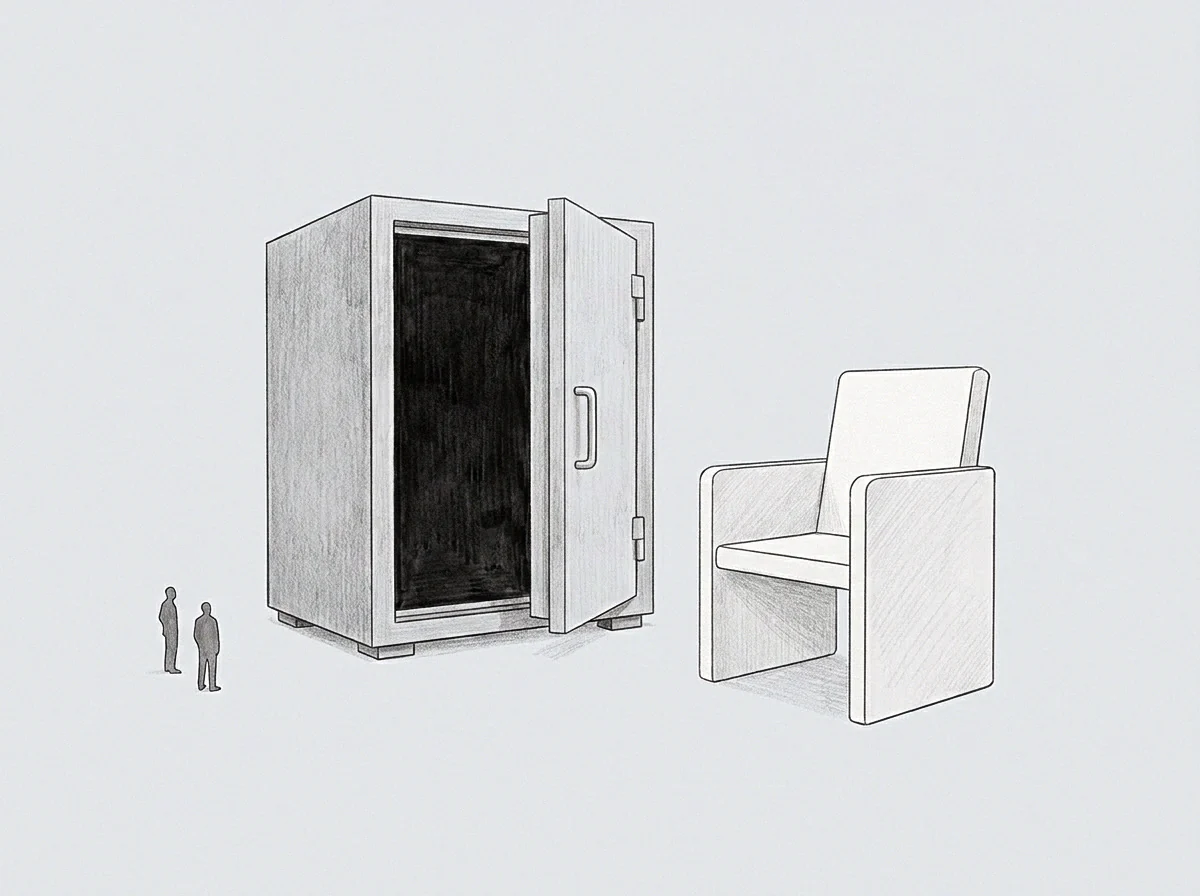
Biological constraints govern working memory and sustained attention with the same mechanical rigidity that tensile limits govern steel beams. Cognitive load theory establishes that human prefrontal architecture maintains roughly four discrete information chunks concurrently before structural degradation occurs. When an executive attempts to hold thirty operational items simultaneously, processing speed collapses, error rates spike, and working memory suffers systematic interference.
The total volume of operational material matters less than whether each discrete item remains open or closed within administrative processing.

Operational Concurrency and Executive Breakdown
Holding unassigned operational demands creates a specific form of metabolic degradation that outpaces physical labor. The nervous system treats an ambiguous operational question as an imminent systemic risk, preventing full cognitive disengagement even during nominal resting periods. This continuous micro-activation depresses immune function, elevates resting heart rate, and degrades sleep architecture by truncating restorative slow-wave cycles.
The executive awakens with degraded prefrontal capacity, compounding cognitive deficits across consecutive operational quarters.
- Ungated operational intake generates continuous switching penalties that fragment attention across unstructured communication channels.
- Ambiguous task ownership forces the executive nervous system to track execution variables belonging to subordinate personnel.
- Continuous notification pings elicit recurring sympathetic nervous system micro-spikes that prevent sustained analytical concentration.
- Unbounded operational scope expands working memory allocation across peripheral problems devoid of strategic leverage.
The cost of exceeding biological capacity appears as chronic cognitive fragmentation, where high-stakes decisions receive the same exhausted, low-resolution evaluation as routine transactional approvals.

Throttle
A throttled nervous system protects itself by shutting down voluntary executive initiation while keeping automated, reactive processes functioning. The executive answers quick emails, approves low-stakes expense reports, and attends scheduled updates, yet finds drafting legal terms or calculating capital requirements physically impossible. This bifurcation reflects prefrontal glucose rationing under severe metabolic demand.
What Preserves Executive Headroom Under Incident Spikes?
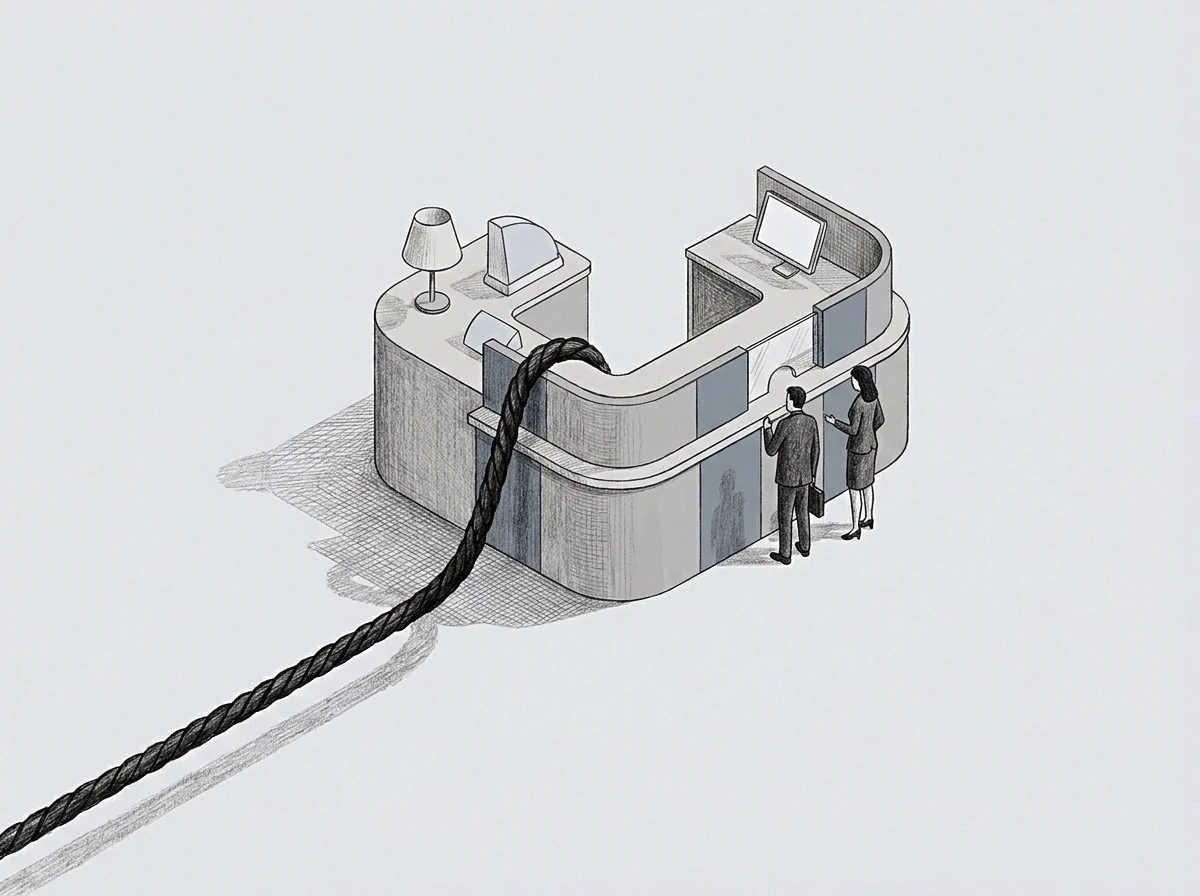
Preserving baseline capacity during high-stress operational events demands hard structural barriers between incoming messages and working memory registers. Without immediate triage protocols, acute crises flood cognitive buffers, instantly eliminating executive headroom. Headroom represents the unallocated physiological and cognitive capacity available to absorb unexpected shocks without degrading baseline performance.
| Evaluation Metric | Ungated Operational Intake | Gated Asynchronous Triage |
|---|---|---|
| Active working memory slots occupied | Exceeds twenty concurrent items | Bounded at three to four items |
| Sympathetic nervous system activation | Sustained high cortisol baseline | Pulsatile spikes with rapid recovery |
| Context-switching frequency per hour | Fifteen to thirty transitions | One to two scheduled reviews |
| Resolution of strategic initiatives | Systematically deferred or abandoned | Sustained execution velocity |
| Administrative vulnerability to failure | Acute risk of executive collapse | Stable operational continuity |
Field research across high-output leadership cohorts confirms that individuals utilizing strict intake barriers maintain executive clarity despite heavy external demands. The underlying mechanism rests on offloading tracking responsibilities from human neural tissue to explicit external registers. A task assigned a fixed delivery date, explicit parameters, and named personnel ceases to occupy cognitive working slots.
The brain drops the monitoring protocol, restoring prefrontal blood flow to analytical tasks.
The desk absorbs friction.
Social baseline theory demonstrates that human physiology expends significantly fewer metabolic resources when social proximity signals joint problem-solving. Conversely, when an executive absorbs operational chaos in total isolation, the brain registers an environment devoid of baseline support, doubling the caloric cost of cognitive control. Isolation under heavy load accelerates biological burnout by exhausting neuroendocrine reserves within months rather than years.
When operational lines contain explicit delivery dates and assigned owners, the nervous system drops the tracking routine entirely.
A helpful working principle asserts that unassigned operational items expand to consume all available working memory until formal structural gates reject additional inputs.
Wall
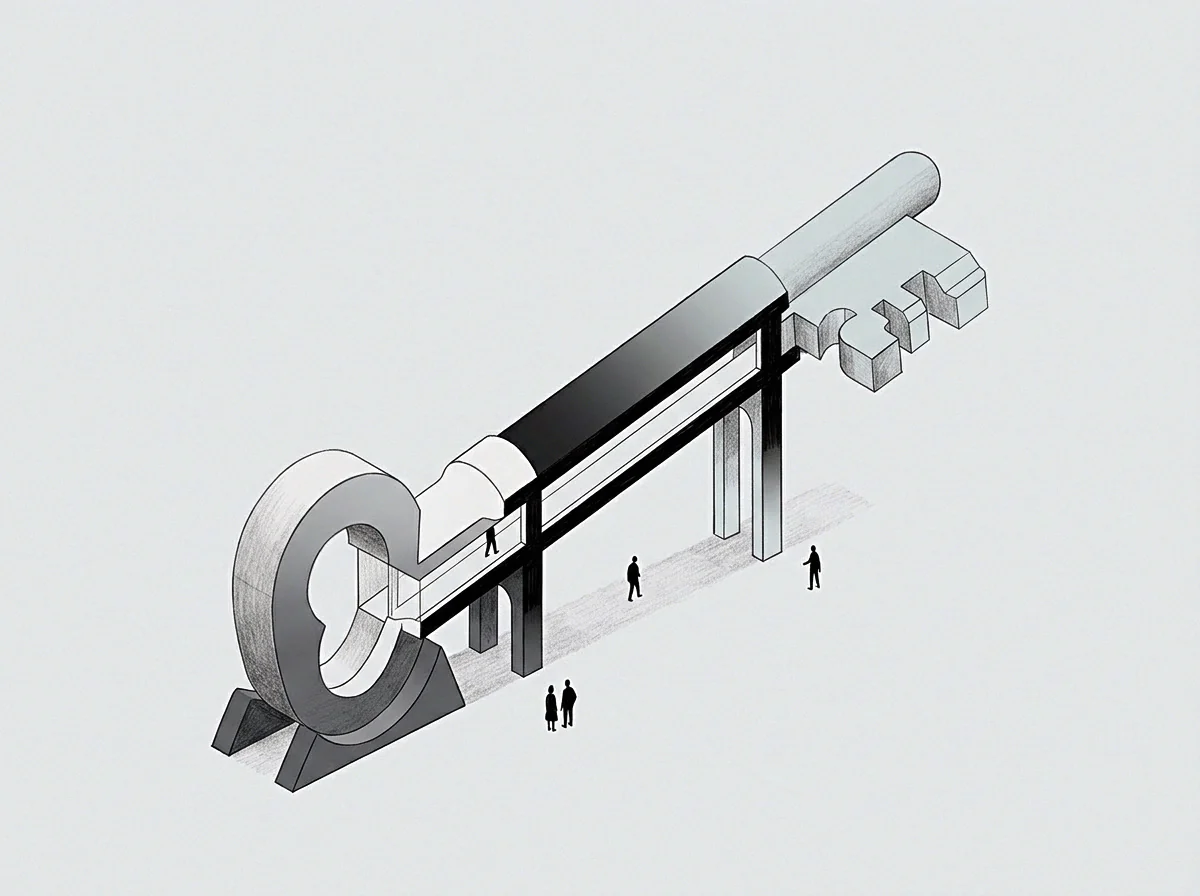
Constructing operational boundaries requires physical and temporal partitions that prevent unstructured administrative traffic from reaching executive cognition. Gating represents the practice of establishing explicit criteria that an operational issue must satisfy before gaining executive consideration. If an issue lacks documented context, attempted resolutions, and explicit decision points, structural mechanisms reject or park the item at the operational perimeter.

Mechanics of Operational Perimeter Defense
Effective defense systems transform continuous incoming interruptions into discrete, batch-processed administrative packets. Communication protocols mandate asynchronous transmission, eliminating expectations of real-time answers except under predefined catastrophe criteria. The executive schedules narrow windows for operational processing, leaving broad expanses of the working week protected from external interruption.
Attention fractures under volume.
- Establish Asynchronous intake channels to decouple receipt of messages from immediate cognitive processing.
- Define strict submission criteria requiring documentation of attempted actions prior to executive escalation.
- Enforce bounded response windows limiting operational reviews to designated intervals during the business day.
- Park unexecutable operational items in shared repositories rather than tracking their status within active memory.
A formal submission protocol requiring written summaries and proposed options ensures that ninety percent of routine operational issues resolve prior to reaching the executive desk.

Stop
Terminating active cognitive tracking restores executive capacity by allowing allostatic load markers to normalize toward baseline levels. Neurobiological recovery requires genuine cessation of monitoring behaviors, during which working memory registers remain entirely clear of pending administrative obligations. When an executive successfully institutes structural gating, prefrontal circuits recover glucose sensitivity, analytical resolution returns, and strategic capacity reemerges.
Headroom contracts under pressure.
Sustained operational recovery relies on treating executive capacity as a strictly finite, non-negotiable physical asset. Leadership teams that permit unbounded operational leakage systematically burn down their most expensive cognitive capital on low-leverage coordination tasks. Restoring executive capacity limits transforms the founder seat from an exhausted operational bottleneck into an engine of high-resolution strategic execution.
The remaining question concerns whether high-growth operational environments can tolerate executive boundaries without developing alternative points of administrative friction elsewhere in the organization.