Meaning
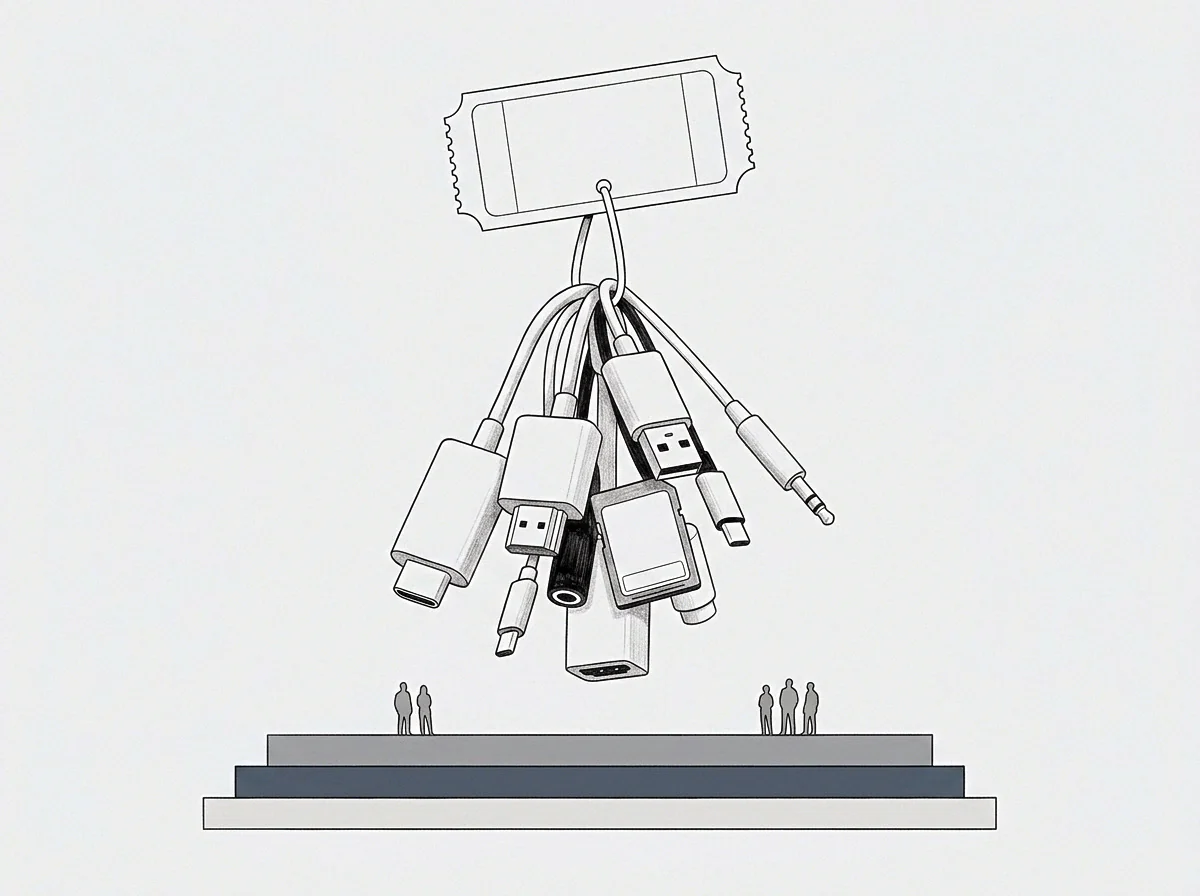
Biological throttling constitutes a homeostatic mechanism that reduces metabolic and cognitive output in response to prolonged systemic stress. This biological throttling operates as an involuntary governor, scaling back physiological resource allocation to prevent permanent organ or neural damage. It functions as a conservation strategy for energy-depleted systems, prioritizing survival over high-level executive task execution.
Regulatory Constraint
Internal systems initiate this reduction when the allostatic load exceeds the operational threshold of the individual. Hormonal signaling initiates the drop in available processing power, which lowers the ceiling for complex decision making. Chronic activation of this response shifts a person into a low-bandwidth state where non-essential activities receive minimal caloric or neurological investment.
Performance Cost
Energy reserves decrease as the organism diverts focus away from the external environment and toward internal stability. This narrowing of function limits the hours of peak mental alertness available per day, which restricts the amount of high-density work a founder can produce. Reduced availability follows from this state of self-preservation, rendering long-term project planning difficult without sufficient recovery intervals.
Physiological Boundary
Homeostasis remains the ultimate driver of this feedback loop. Once the organism restores its chemical and hormonal equilibrium, the throttle releases and capacity returns to previous levels. Recovery depends entirely on the duration of rest periods provided to the central nervous system.
→