
Gating Protocols for Mitigating Allostatic Load in Organizational Leadership
Structural gating protocols convert ungated cognitive loops into bounded operational inputs, mitigating executive allostatic load and preserving system capacity.

Ceiling
Four messaging applications remain active past midnight while an executive reviews cash flow projections. Three team leads demand immediate guidance on conflicting strategic initiatives. A co-founder requests an emergency voice call regarding internal operational friction.
The biological stress response system maintains elevated cortisol secretion and sympathetic nervous system tone long after analytical decision-making capacity collapses. Allostatic load accumulates through this continuous biological mobilization, driven by open communication loops rather than physical labor.
Load accumulates quietly. The physical seat holds an individual whose neuroendocrine system processes every un-gated input as an active environmental threat. When operational complexity escalates, leadership capacity contracts.
The seat fixes the hours, the hours fix the headroom left for deep work, and that headroom dictates operational endurance.

The Architecture of Unbound Demand
Unbound demand occurs when organizational communication channels deliver continuous, unstructured queries directly to executive attention. Each message represents an un-gated thread requiring working memory allocation, context retrieval, and decision parsing. Working memory limits restrict simultaneous cognitive operations to a narrow processing band.
When inbound loops exceed this capacity, executive attention fragments across competing priority vectors.
The system throttles. An organization operating without strict entry protocols converts the executive into a real-time message processing node. This pattern generates high switching costs, as transitioning between disparate domain problems depletes glucose reserves within the prefrontal cortex.
Over extended operational cycles, continuous context switching degrades decision quality and impairs impulse control.
Continuous operational availability forces executive cognitive processing to run at continuous maximal capacity.

Distinguishing Throttling from System Failure
Neurological throttling represents a protective down-regulation of executive responsiveness under sustained physiological strain. Biological stress research distinguishes this state from clinical depression. Throttling preserves basic regulatory functions by shedding high-cost cognitive tasks, such as long-range strategic planning and nuanced interpersonal coregulation.
System failure occurs when allostasis breaks down entirely, resulting in systemic physiological dysregulation.
Misinterpreting throttling as emotional disengagement leads organizations to alter leadership structures prematurely. When a leader reduces communication output, counterparties often increase query volume to force engagement. This dynamic escalates neuroendocrine strain.
The baseline remains fixed. Mistaking protective neural throttling for intentional abandonment prompts counterparties to double their communication frequency, accelerating executive system exhaustion.
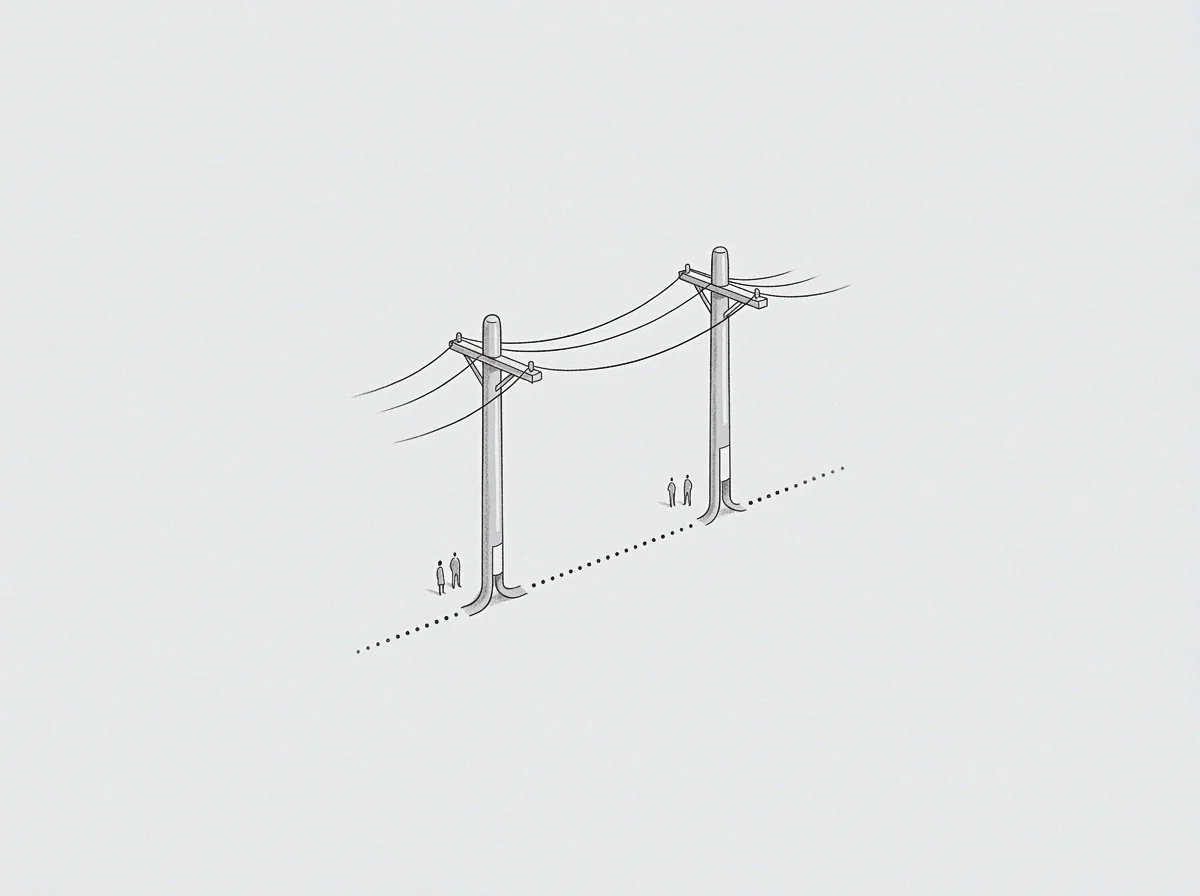
Throttle
Sustained activation of the hypothalamic-pituitary-adrenal axis drives the accumulation of allostatic load. Cortisol elevation alters neuronal morphology within the hippocampus and prefrontal cortex while hypertrophy occurs within the amygdala. This physiological shift enhances threat sensitivity while dampening executive function.
The body sacrifices long-term tissue maintenance and neuroplasticity to sustain immediate alertness.
Processing speed declines rapidly. Under chronic physiological demand, the neural circuits dedicated to evaluating risk remain hyper-responsive. The cognitive architecture loses its capacity to separate minor operational anomalies from structural organizational crises.
Every incoming notification triggers a neuroendocrine cascade equivalent to an urgent operational emergency.

Neuroendocrine Wear and Neurocognitive Capacity
Glucocorticoid receptor desensitization occurs when central nervous system tissues experience continuous cortisol exposure. Receptor down-regulation weakens the negative feedback loop that normally terminates the physiological stress response. Consequently, biological recovery markers remain depressed even during scheduled rest periods.
Sleep architecture degrades, specifically reducing slow-wave phases necessary for metabolic waste clearance in brain tissue.
Cortisol levels remain high. Reduced slow-wave sleep impairs declarative memory consolidation and emotional regulation. The executive experiences persistent cognitive fatigue, reduced processing speed, and heightened irritability during standard decision-making sequences.
These biological changes reflect physiological wear rather than personal trait fluctuations.

Why Do Unbounded Threads Consume Processing Slots?
Open decision loops consume working memory slots through active maintenance mechanisms in the prefrontal cortex. The Zeigarnik effect demonstrates that uncompleted tasks retain cognitive activation until a resolution or explicit deferral protocol occurs. In executive environments, an un-gated message functions as an open task loop that demands ongoing background processing resource allocation.
Ungated inputs consume slots. When executive working memory reaches full slot saturation, incoming requests cannot enter active conscious processing without displacing existing operational threads. This state creates cognitive congestion, increasing the probability of executive errors.
| Thread State | Working Memory Slot Allocation | Biological Stress Reaction | Counterparty Communication Pattern |
|---|---|---|---|
| Ungated Open Loop | Continuous active retention | Sustained sympathetic elevation | High-frequency asynchronous pinging |
| Deferred without Terms | Partial background retention | Moderate baseline cortisol elevation | Escalating status requests |
| Gated with Scope and Date | Zero active slot retention | Baseline autonomic recovery | Scheduled epoch reporting |
When incoming open loops exceed working memory capacity, executive function down-regulates processing speed to protect biological tissue.
The leadership has lost interest in operational details because responses to direct queries take several days to arrive.

Span
The total count of active projects rarely predicts executive physiological strain. A leader can manage twenty parallel operational projects if each project operates within strict reporting parameters and automated governance bounds. Strain correlates directly with the count of ungated, ambiguous cognitive threads demanding executive resolution.
Controlling allostatic load requires capping the concurrency limit of open loops rather than limiting total business scope.
The count increases rapidly. An executive carrying five open loops with unresolved terms experiences higher metabolic strain than an executive overseeing fifty bounded operations. Gating protocols enforce clear structural boundaries on incoming information streams.
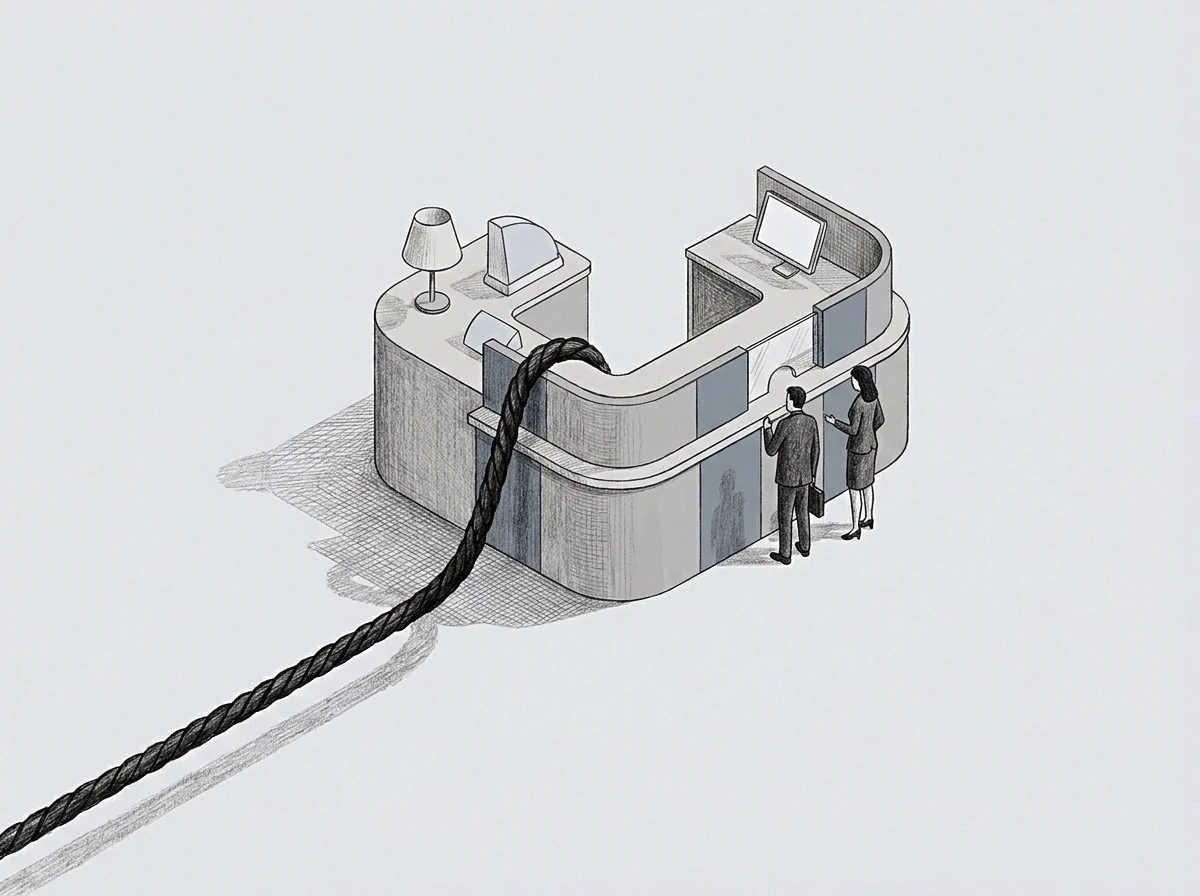
Concurrency Floor and Thread Counting
Establishing a concurrency floor requires auditing every active decision loop assigned to the executive seat. Thread counts must reflect actual cognitive tracking requirements rather than formal organizational chart designations. Informal consulting requests, unresolved founder equity discussions, and ambiguous product direction queries consume identical working memory slots as formal operational reviews.
- Scope Ambiguity creates persistent background monitoring overhead because the boundaries of required executive intervention remain unspecified.
- Unanchored Dates force counterparties to send periodic status pings that repeatedly interrupt executive prefrontal processing.
- Undefined Terms compel the executive to re-evaluate fundamental strategic assumptions during routine operational check-ins.

Structural Parameters of the Gated Protocol
A functional gating protocol converts unstructured inbound communication into standardized operational data packets. The protocol rejects incoming queries that lack three structural parameters: explicit decision scope, a hard temporal evaluation date, and predefined success terms. Without these three components, an inbound item remains outside executive working memory.
The protocol establishes parameters. When a query arrives with complete parameters, the executive assigns it to a specific calendar evaluation window and clears it from active working memory. The slot closes.
The background cognitive processing cost drops to zero until the designated evaluation window opens.
Establishing explicit scope boundaries converts active background cognitive load into dormant archived records.
Defining an explicit review date transforms an active background cognitive loop into a dormant record, reducing executive processing overhead until the designated hour arrives.

Wall
Social Baseline Theory establishes that proximity to reliable co-regulating partners reduces the biological energy expended on environmental threat monitoring. In organizational leadership, this economy often breaks down. Leaders frequently act as primary emotional and operational regulators for their teams while receiving negligible co-regulation in return.
This asymmetrical transfer of regulatory effort accelerates physiological depletion.
Open loops demand energy. The executive absorbs organizational ambiguity, neutralizes interpersonal friction among department heads, and projects stability to external stakeholders. Carrying this regulatory burden without structural buffers consumes substantial metabolic resources.

Social Baseline Dynamics and Co-Regulatory Friction
When operational volatility increases, team members automatically transfer regulatory load upward. They present raw anxiety and unformatted problems to executive leadership, seeking biological co-regulation. If the executive accepts this un-gated transfer, their own physiological stress response mobilizes to process the team’s operational distress.
This dynamic creates structural depletion. The executive becomes a single point of emotional and strategic regulation for the entire enterprise. Without explicit protective walls around executive access, interpersonal co-regulation demands overwhelm biological baseline recovery mechanisms.

The Interpersonal Mechanics of Transfer
Mitigating co-regulatory wear requires formalizing interpersonal access channels within the organizational hierarchy. Gating protocols establish structured processes for handling operational distress calls from subordinate leaders.
- Operational leads log incoming strategic roadblocks within an asynchronous system using predefined severity metrics.
- The system categorizes issues based on objective financial and operational impact thresholds.
- Lower-tier issues redirect to peer resolution mechanisms without alerting executive attention.
- High-severity events enter a scheduled executive briefing queue with mandatory proposed decision paths.
Whether structural gating protocols can preserve executive regulatory headroom when board members demand unscheduled status updates remains open to ongoing investigation.
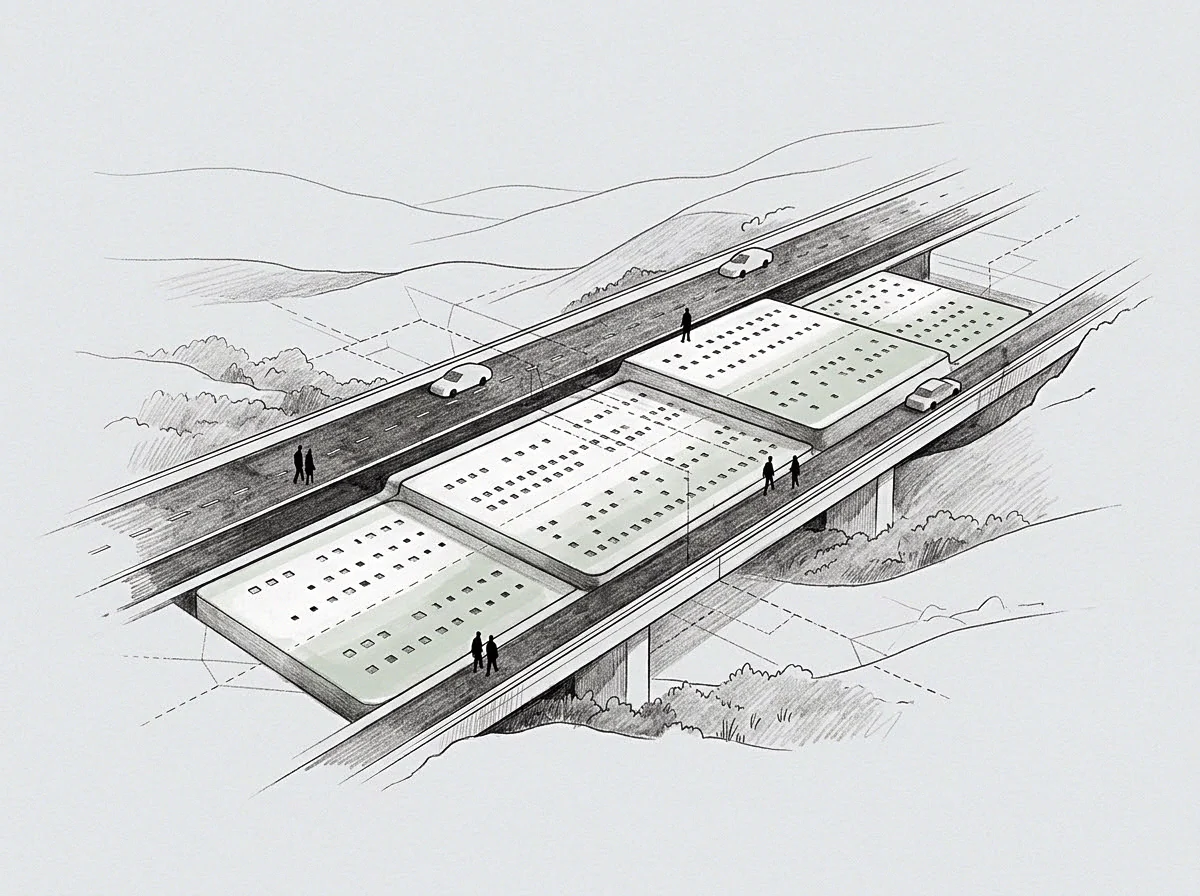
Headroom
Headroom defines the available neurocognitive processing margin an executive retains above daily operational demands. Maintaining headroom allows leadership to process unexpected structural shocks, evaluate novel market opportunities, and maintain autonomic nervous system balance. Operating at continuous structural ceiling eliminates this safety margin, rendering the enterprise vulnerable to minor external disruptions.
Capacity drops to zero. When unexpected crises occur in zero-headroom environments, executive decision-making defaults to immediate survival patterns. Long-range strategic considerations vanish from consideration as high cortisol levels force narrow, immediate focus.

Measuring Capacity Through Observable Indicators
Executive capacity shifts manifest in objective operational indicators long before subjective burnout awareness occurs. Increases in response latency to routine communications signal working memory slot saturation. Reduced tolerance for standard operational variance indicates prefrontal cortex metabolic depletion.
A reliance on binary decision defaults reveals impaired complex analytical capacity.
Terms define operational boundaries. Tracking these operational markers provides an objective metric for executive allostatic load. When indicators signal capacity depletion, strict gating protocols must instantly restrict incoming thread volume.
Protecting baseline executive headroom requires gating inputs before cognitive processing slots reach full capacity.

Sustained Protocol Architecture
Implementing gating protocols requires continuous maintenance of structural boundaries around executive attention. Gating is an active operational discipline that filters incoming organizational complexity. Systems must enforce scope bounds, temporal anchors, and clear evaluation terms across all communication channels.
System headroom recovers as open loops transition to gated states, re-establishing executive capacity for complex strategic analysis.