
The Neurological Cost Of Managing Peripheral Leadership Threat Responses Without Reciprocal Relational Buffers
Isolated leaders absorbing peripheral threat without reciprocal regulation incur high metabolic costs that exhaust prefrontal capacity and autonomic headroom.
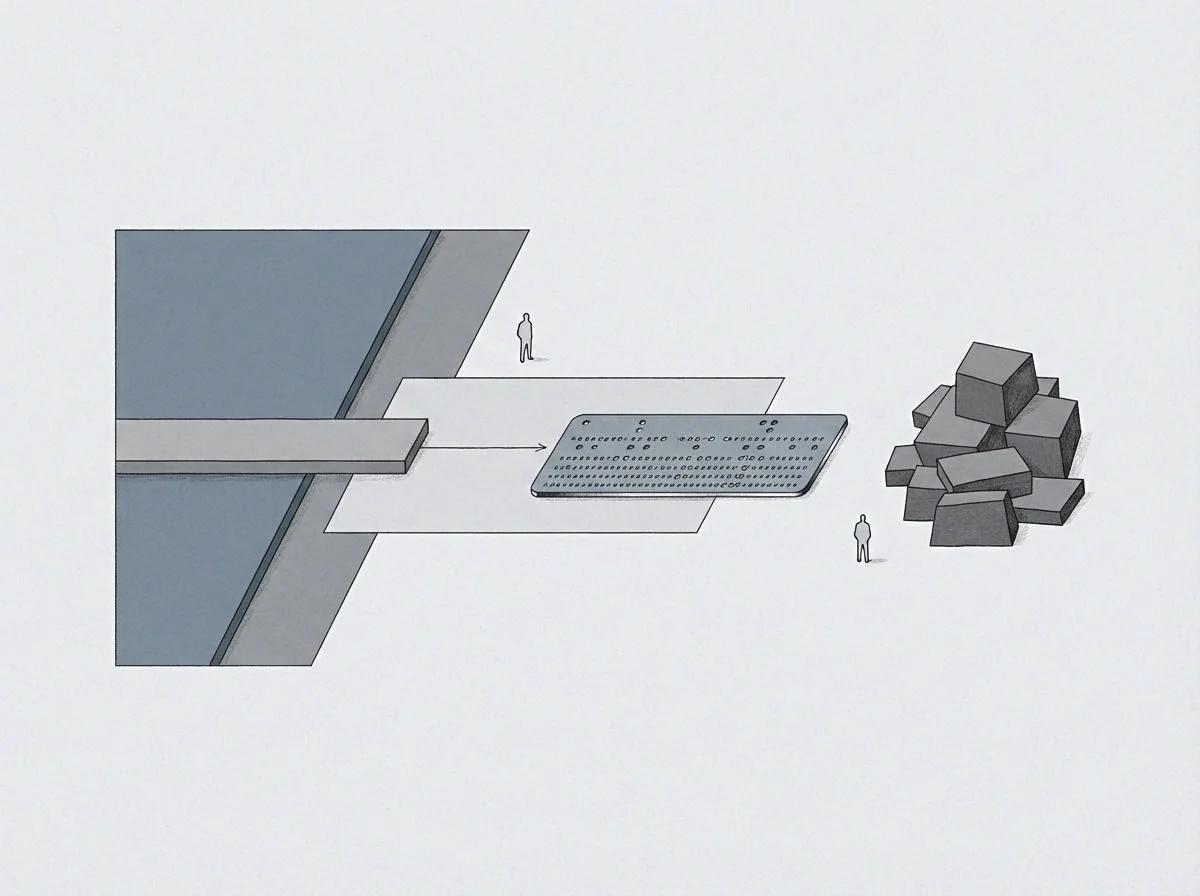
Seat
Messages fill four communications screens at eleven on a Sunday evening. Vice presidents and regional directors send urgent escalations regarding minor budget variance metrics, seeking immediate stabilization. The central executive reviews the incoming anxiety, sends back measured reassurances, and absorbs organizational tension before morning.
Those generating the alarm receive immediate physiological stabilization through the executive’s calm response, yet no return flow of grounding reaches the center.
Social baseline theory establishes that human nervous systems budget metabolic energy under the assumption of social proximity and shared regulatory load. When a central figure acts as an unbuffered regulatory baseline for peripheral team members, that figure bears the full autonomic price of mitigating group alarm. Peripheral leaders externalize their threat responses toward the center, using the executive’s stability to down-regulate their own autonomic arousal.
The executive receives continuous physiological threat inputs while operating in relational isolation, lacking a reciprocal relational buffer to offset the neural drain.
Unreciprocated threat management forces the central regulator to absorb organizational anxiety using internal metabolic reserves alone.
Continuous exposure to unbuffered peripheral alarm forces the central regulator into chronic metabolic deficit, gradually eroding executive function and emotional headroom.

Threat
Autonomic nervous systems continuously scan organizational structures for signals of safety and peril. When peripheral leadership teams experience operational uncertainty, their neural circuitry initiates fight-or-flight cascades that demand resolution. Rather than processing this threat internal to their own units or utilizing peer co-regulation, peripheral leaders route their distress signals upward to the central figure whose baseline state remains predictable.

Why Does Peripheral Alarm Target Central Regulators?
The human brain economizes threat response through social offloading. Peripheral leaders direct threat signals toward a stable executive because proximity to an unshakeable baseline offers the fastest path to down-regulating peripheral sympathetic activation. Borrowed regulation registers as the peripheral leader’s own calm, masking the reality that the regulatory effort was performed entirely by the central figure.
Relational buffers lower physiological expenditure. Self-regulation alone incurs high metabolic costs.
This structural asymmetry creates a unidirectional transfer of autonomic stress across the leadership cadre. The table below compares the physiological dynamics of shared co-regulatory networks against unidirectional threat absorption environments.
| Variable | Shared Co-Regulatory System | Unidirectional Threat Absorption System |
|---|---|---|
| Autonomic Expenditure | Distributed across peer network; low individual baseline cost | Concentrated at the central regulator; extreme metabolic cost |
| Threat Dissipation | Mutual grounding via reciprocal relational buffers | Unilateral containment without external grounding options |
| Relational Feedback | Continuous reciprocal signals of safety and shared capability | One-way incoming alarm; zero return flow of co-regulation |
| Headroom Retention | High prefrontal capacity preserved for long-range planning | Prefrontal capacity depleted by continuous acute stabilization |
The asymmetric arrangement functions effectively for the peripheral leaders, who preserve their cognitive headroom by offloading distress. The central regulator, operating without a reciprocal relational buffer, experiences an uninterrupted intake of threat signals. The stated condition of unreciprocated load transfer converts routine leadership interaction into a source of continuous neural strain.
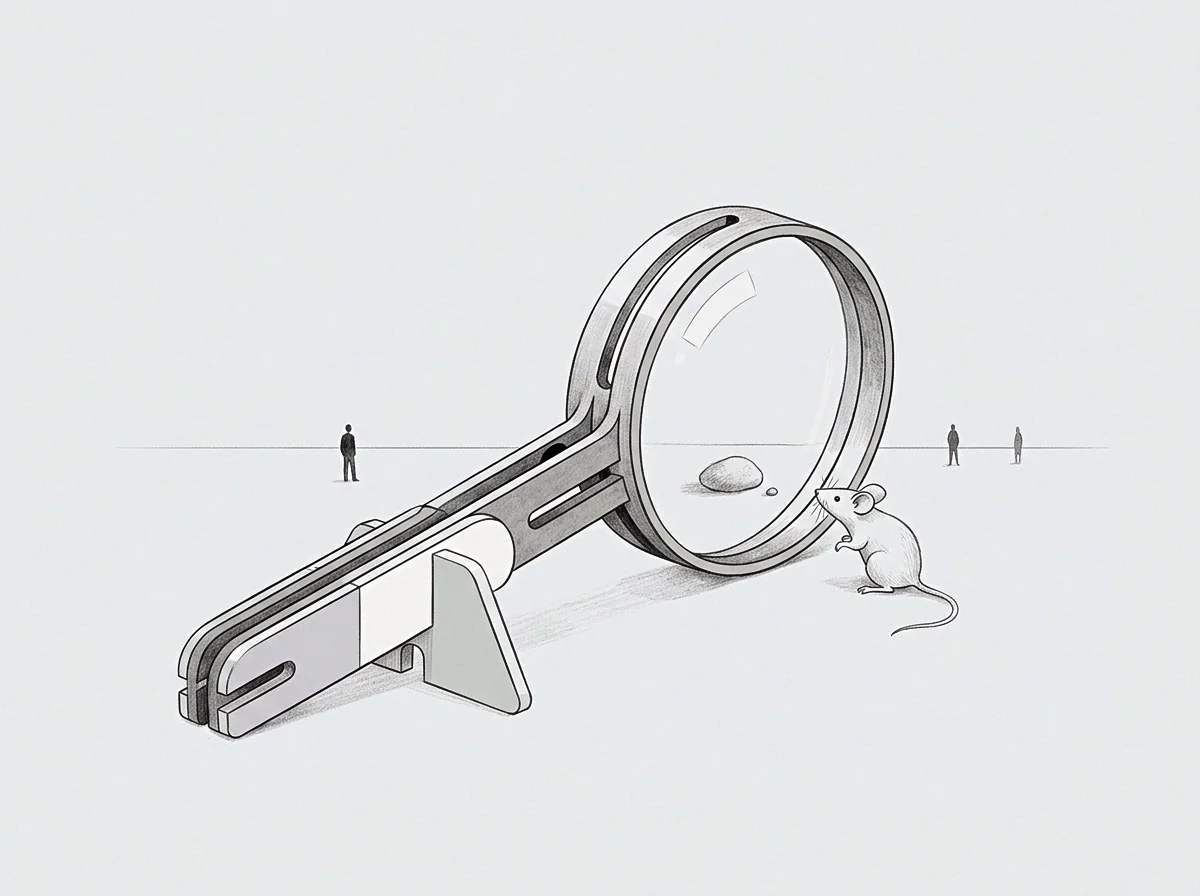
Drain
Prefrontal cortex structures demand substantial glucose and oxygen resources to execute top-down inhibition over amygdalar threat processing. When an executive routinely dampens peripheral leadership threat responses without receiving reciprocal grounding, metabolic debt accumulates inside specific neural circuits. High allostatic load triggers persistent activation of the hypothalamic-pituitary-adrenal axis, maintaining elevated cortisol levels even during off-hours.
Consider an operator holding forty percent equity who manages three regional leads over a twelve-month expansion phase. The regional leads experience acute anxiety over quarterly hiring targets, supply bottlenecks, and board reporting formats. Every escalation lands as a high-urgency ping requiring immediate emotional containment.
The operator maintains a steady tone, addresses every panic message, and re-establishes team alignment. The operator spends two hours every evening stabilizing executive mood states, yet never discloses personal operational strain to the team. Over time, the operator notices persistent insomnia, reduced working memory capacity, and autonomic fatigue.
Chronic inhibition of threat without relational repair leads to systemic vagal withdrawal. The parasympathetic nervous system loses its capacity to enact rapid down-regulation, leaving the central figure in a state of hyper-vigilance, while capacity drops without explicit warning.
When peripheral leaders offload alarm without providing grounding feedback, prefrontal processing capacity drops while basal autonomic tone remains elevated.
This metabolic drain is frequently misinterpreted by outside observers as emotional detachment or loss of motivation. Peripheral team members view the executive’s increasing withdrawal as structural strength or indifference, reinforcing their tendency to dump unresolved threat onto the center.
Peripheral teams view an unbothered founder as signal that escalating every operational threat to the center remains the safest protocol.
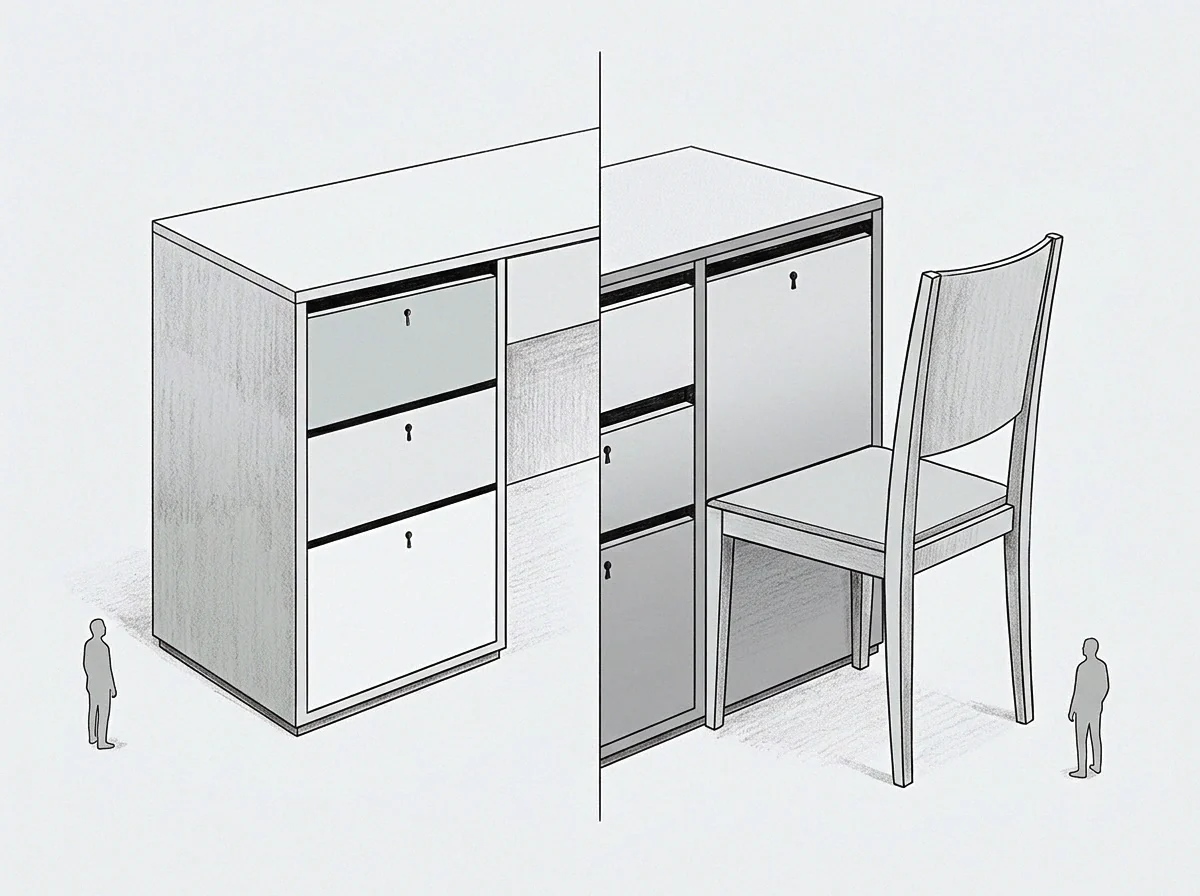
Template
Internal working models formed during early developmental or early professional crisis conditions often dictate how leaders handle relational stress. An individual who developed an internal model of self-as-sole-regulator routinely operates under the assumption that safety requires absolute personal control. This internal template contains a structural defect: it lacks a functional receptor slot for receiving co-regulation from others.
When peripheral leaders offer genuine support or attempt to share the regulatory burden, the central figure’s template processes these inputs as operational anomalies or threats to control. The individual remains unable to utilize offered relief, converting potential reciprocal buffers into additional tasks to manage. Understanding the template does not automatically alter its physiological baseline.
- Receptor Absenteeism manifests when an executive perceives incoming co-regulatory offers as operational noise or demands for further stability.
- Asymmetric Signal Processing treats peripheral alarm as an immediate directive for internal containment while filtering out structural offers of relief.
- Somatic Disconnection decouples conscious cognitive awareness from underlying autonomic stress markers, concealing physiological depletion until functional capacity collapses.
The individual continues to absorb external threat responses through sheer force of self-regulation, treating isolation as a professional requirement. The pattern persists until repeated real-world interactions construct an updated relational baseline.
A regulator formed through unilateral threat containment perceives reciprocal grounding as an operational anomaly rather than a stabilizing resource.
In an unbuffered regulatory environment, strength under stress attracts more load, accelerating neural depletion until explicit relational limits alter the system dynamics.

Floor
Updating an ingrained regulatory template demands deliberate, repeated experiences of shared load within high-stakes environments. Intellectual insight into allostatic debt changes zero autonomic reflexes. Earned security develops when a central figure establishes clear relational limits, explicitly rejecting unbuffered threat offloading from peripheral leaders.
A stated limit protects headroom. Direct operational protocols force peripheral leaders to process initial threat responses through peer mechanisms or structured decision trees before escalating to the center. When peripheral leaders must contain a portion of their own alarm, the central executive’s nervous system receives fewer raw, unbuffered threat signals.
Establishing structural reciprocal buffers requires placing capable co-regulators in adjacent leadership roles. These peers do not merely manage operational tasks; they offer steady autonomic baselines that lower the central executive’s baseline threat management expenditure. Proximity to a stable, reciprocal peer allows the central regulator’s prefrontal cortex to disengage from constant threat suppression.
Over extended timeframes, the brain updates its baseline risk calculations, building a functional receptor slot for shared regulation and restoring sustainable cognitive capacity across the entire leadership structure.