
Hypothalamic Stress Feedback Breakdown Under Founder Operational Overload
Continuous operational load desensitizes hippocampal glucocorticoid receptors, disabling hypothalamic negative feedback and maintaining elevated stress signaling.
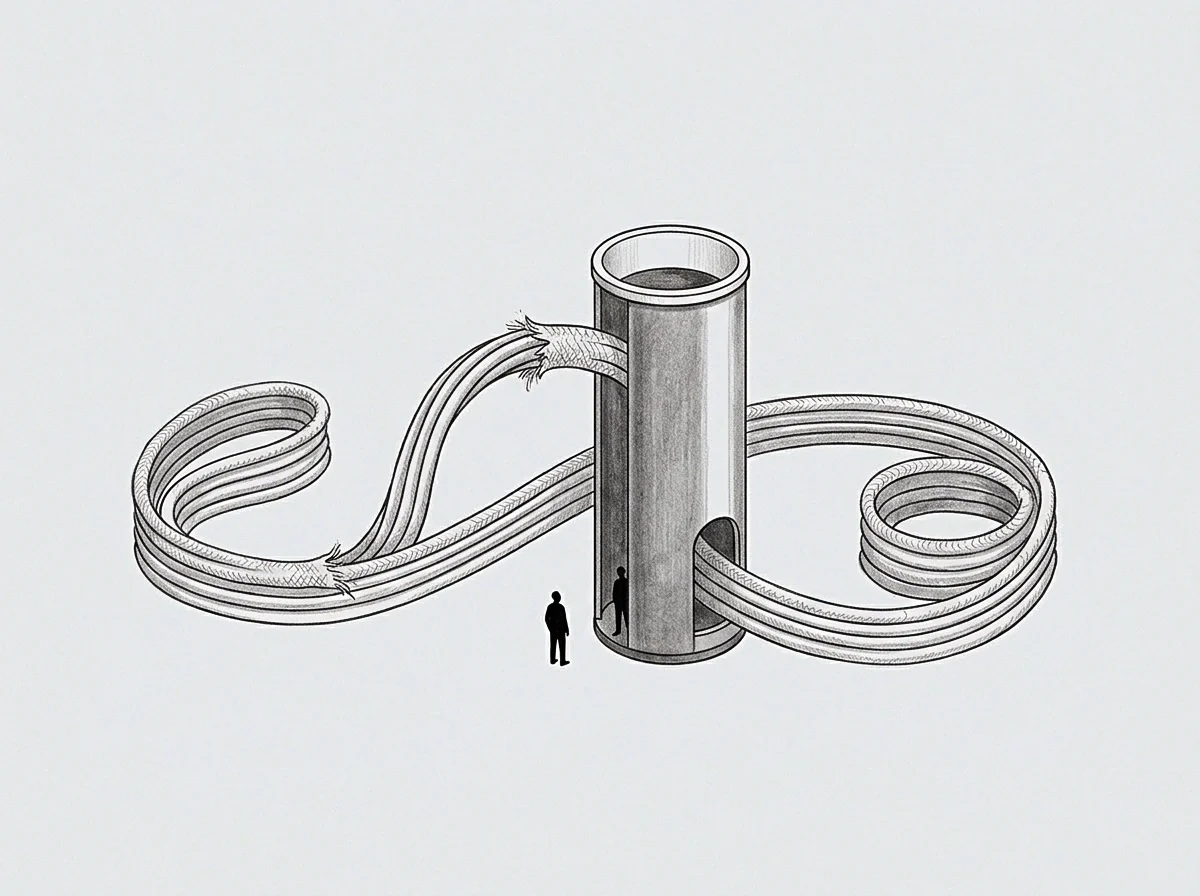
Seat
Midnight passes while six communication channels remain active on a primary screen. Operational decisions arrive continuously, each marked urgent by teams working across conflicting time zones. The person directing the enterprise responds to every query within minutes, maintaining a pace that observers mistake for unlimited capacity.
Beneath this visible output, biological systems register the sustained demand as an unbroken emergency. Continuous vigilance keeps the sympathetic nervous system engaged without intermission, suppressing normal metabolic rest cycles and forcing persistent hormonal activation.
High operational demand converts routine choices into physiological stress events. When an executive manages multiple concurrent work streams without clear boundaries, the nervous system stays locked in active defense. Every notification triggers an immediate surge of catecholamines, elevating heart rate and mobilizing glucose stores for actions that never physically occur.
Over consecutive quarters, this sustained state erodes the buffer that normally absorbs unexpected operational friction.
Operational Concurrency as a Chronic Exposure
The human organism processes continuous open obligations as ongoing environmental threats. When operational tasks remain unresolved late into the evening, the brain treats the pending workload as an immediate challenge to survival. The seat fixes daily operational strain.
Glucocorticoids remain elevated to maintain alertness, overriding natural diurnal drops in baseline arousal.
Adrenal drive continues without pause. Initial phases of high operational output often yield intense focus and rapid task resolution. Leadership teams interpret this elevated throughput as sustainable baseline performance, compounding the volume of incoming responsibilities.
The body adapts by recalibrating its internal equilibrium upward, establishing a temporary baseline characterized by high tension and diminished nervous system variability.
The Vigilance Trap in Early Stage Leadership
Extended operational pressure shifts nervous system regulation from dynamic adaptation to rigid defense. Operators who pride themselves on constant availability gradually lose the capacity to step down from high arousal states. The constant monitoring of metrics, investor communications, and product launches creates an environment devoid of physiological recovery windows.
Biological recovery demands reduced external stimulus. Without explicit boundaries around communication hours and decision-making scope, baseline allostatic load continues to accumulate. Systemic capacity has a hard ceiling.
The individual continues to execute tactical tasks, but the neural architecture supporting complex long-term planning begins to display measurable wear.
How long can an operational system sustain unmitigated vigilance before the central stress circuit permanently alters its sensitivity?

Axis
Biological stress regulation relies on a tight neuroendocrine control loop connecting the hypothalamus, the pituitary gland, and the adrenal cortex. When an individual encounters an operational crisis, parvocellular neurons in the paraventricular nucleus of the hypothalamus synthesize and secrete corticotropin-releasing hormone into the hypophyseal portal circulation. This peptide stimulates the anterior pituitary gland to release adrenocorticotropic hormone into systemic circulation, which promptly signals the adrenal zona fasciculata to synthesize cortisol.
Under normal conditions, rising blood cortisol levels cross the blood-brain barrier and bind to glucocorticoid receptors in the hippocampus and hypothalamus, effectively shutting down further corticotropin-releasing hormone release. High operational demand forces throttling.
Continuous operational pressure destabilizes this dampening circuit. Sustained high cortisol concentrations induce down-regulation and desensitization of central glucocorticoid receptors, particularly within the hippocampus. As receptor density falls, the brain loses its primary biological brake, leaving the hypothalamic paraventricular nucleus continuously disinhibited.
The system remains locked in active production long after the triggering operational event has resolved.

Where Does Glucocorticoid Feedback Downregulation Begin?
Receptors desensitize under relentless signaling pressure. The molecular breakdown unfolds in predictable stages across the central stress architecture, altering systemic hormonal dynamics and metabolic baseline controls.
- Glucocorticoid Receptor Desensitization Nuclear binding density drops within hippocampal neurons, preventing circulating cortisol from signaling the shutdown of hypothalamic hormone release.
- Paraventricular Nucleus Disinhibition Hypothalamic drive stays active continuously, causing persistent secretagogue release into the hypophyseal portal system even during sleep.
- Blunted Diurnal Cortisol Slope Morning peaks flatten while evening hormone levels remain elevated, flattening the natural biological variation necessary for metabolic restoration.
Persistent elevation of circulating cortisol causes hippocampal glucocorticoid receptor desensitization, disabling the negative feedback loop that terminates the physiological response.

Receptor Downregulation and the Loss of Dampening
Systemic desensitization changes how the central nervous system processes operational tension. Cortisol levels remain high. hippocampal feedback inhibition normally protects cognitive structures from excessive steroid exposure. When feedback breaks down, chronic steroid exposure alters hippocampal synaptic plasticity and impairs memory consolidation, reducing the leader’s structural capacity to process complex situational details.
Distinguishing physiological throttling from clinical depression remains essential for operational management. Throttling represents an adaptive biological brake designed to limit systemic cellular damage under chronic allostatic load. Clinical depression involves pervasive mood alterations, severe loss of interest, and specific somatic symptoms defined by psychiatric diagnostic criteria.
Misinterpreting an overdriven neuroendocrine loop as emotional failure often leads to inappropriate interventions that fail to address the root physical overload.
Treating a throttled neuroendocrine circuit with purely psychological coping techniques leaves the physiological feedback breakdown active, accelerating systemic biological exhaustion.

Thread
Managing operational commitments consumes specific neural allocation slots within prefrontal cortex circuits. Each active project, unresolved negotiation, or pending decision occupies an ungated cognitive thread. When a leader holds twenty ungated threads simultaneously, the switching cost between active contexts rapidly exhausts working memory buffers.
The nervous system interprets open cognitive loops as unresolved physical hazards, maintaining sympathetic drive to match the apparent environmental complexity.
Gating operational commitments reduces background neural expenditure. A thread configured with explicit scope, a binding delivery date, and clear completion terms costs minimal active allocation. Conversely, an vague request without clear parameters remains an ungated loop, continuously pulling attention away from primary execution tasks and elevating allostatic load.

Cognitive Capacity and Open Loop Arithmetic
Working memory capacity operates under strict biological constraints. The human brain maintains only a limited number of high-priority operational slots in active attention. Pushing past this concurrency limit forces the central nervous system into rapid context switching, which incurs a steep biological cost in glucose consumption and metabolic waste accumulation.
Open loops consume active neural slots. When operational tasks lack explicit boundaries, the prefrontal cortex struggles to deprioritize them during rest periods. The constant background processing of unresolved problems keeps stress pathways engaged, preventing the neuroendocrine baseline from returning to rest state levels.
An unbudgeted operational demand converts continuous cognitive capacity into fragmented context switching, raising allostatic load without increasing output.
| Thread State | Prefrontal Slot Consumption | Context Switching Overhead | HPA Axis Activation Level | Systemic Recovery Latency |
|---|---|---|---|---|
| Ungated Open Loop | High (1.0 Slot per thread) | Continuous micro-switches | Sustained elevation | Extended (Days to weeks) |
| Time-Bound Execution | Moderate (0.4 Slots) | Scheduled switches | Moderate transient peaks | Standard (Hours) |
| Fully Gated Commitment | Low (0.1 Slots) | Zero background draw | Baseline resting state | Immediate post-task |
Structural Gates for Operational Commitments
Restricting incoming load requires clear operational gates. By converting open-ended demands into bounded commitments, executives protect finite cognitive bandwidth and prevent continuous hypothalamic activation. Receptors lose sensitivity over time.
- Defining exact operational parameters for incoming demands prevents arbitrary expansion of active commitments.
- Assigning firm resolution deadlines allows working memory circuits to park pending tasks until the designated execution window opens.
- Establishing explicit completion criteria eliminates ambiguous follow-up cycles that consume background prefrontal slots.
An open loop left without defined terms consumes a working memory slot until explicit boundaries lock it.
Cognitive slots clear when scope locks. Restructuring active workload around bounded commitments frees immediate operational headroom, allowing central neuroendocrine regulation to slowly recover baseline sensitivity.
The total volume of active work matters less than the count of ungated operational threads running without scope, dates, or terms.

Relay
Human stress regulation operates within a shared relational framework known as social baseline theory. The human nervous system naturally relies on physical and psychological proximity to reliable partners to distribute the metabolic cost of environmental vigilance. When an executive’s internal stress dampening breaks down, their continuous high-arousal state radiates throughout the surrounding executive team.
Instead of serving as a stabilizing presence, the throttled leader becomes a primary source of environmental stress for colleagues.
Co-regulation fails without baseline stability. An overdriven central nervous system loses the capacity to send soothing prosodic and visual signals during high-stakes communication. Subordinates and partners read this micro-behavioral tension as acute organizational danger, triggering elevated stress responses in their own neuroendocrine systems.
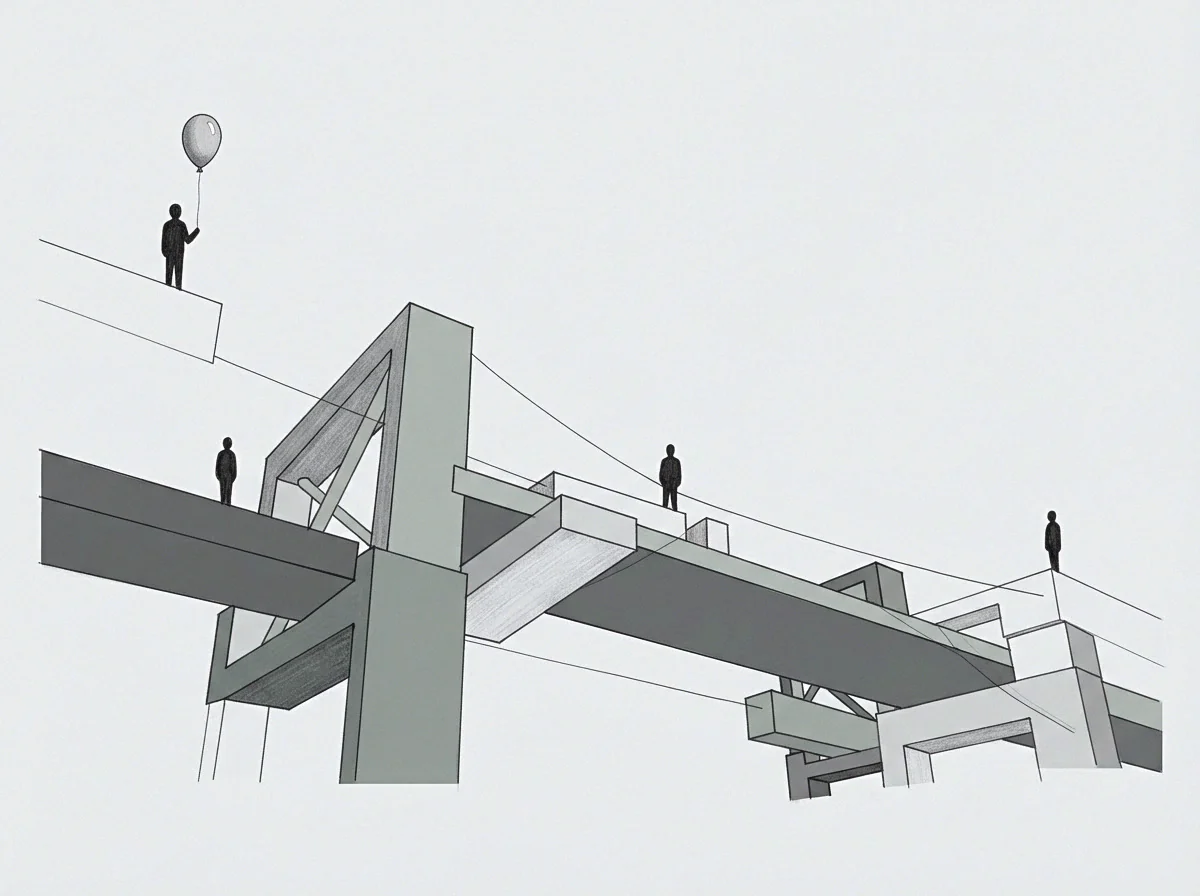
Co-Regulation Failure in Executive Teams
Executive performance relies on shared regulatory buffers. When a founder functions with impaired feedback loops, every operational hiccup escalates into an organizational emergency. Team members begin holding back critical operational feedback to avoid triggering dramatic stress reactions, degrading systemic decision quality.
Interpersonal friction amplifies biological wear. The loss of social co-regulation forces every team member to shoulder their stress load independently, depleting collective energy reserves and escalating burnout across key personnel.
The capacity to settle surrounding organizational panic depends on an intact physiological dampening system.

The Economics of Interpersonal Load Transfer
Unregulated leaders transfer their operational panic downward. By treating every tactical issue as an existential threat, the executive imposes severe neural switching costs on direct reports. Team members must constantly adapt to erratic priorities, exhausting their cognitive slots and generating high allostatic load throughout the operational hierarchy.
Feedback loops fail under load. Establishing healthy executive relational baselines requires leaders to restore their internal physiological regulation before attempting to manage team dynamics.
The executive team cannot achieve operational stability while the central leader operates with a continuously disinhibited stress response.

Tether
Reversing neuroendocrine feedback breakdown demands strict structural limits on operational exposure. Biological stress pathways recover slowly, requiring weeks of reduced glucocorticoid signaling to restore normal nuclear receptor density within hippocampal neurons. Strategic isolation from non-essential communication channels provides the physiological space needed for receptor recovery.
Headroom determines real adaptation. Establishing rigid communication boundaries, enforcing off-line recovery periods, and limiting concurrent project ownership allow overdriven systems to return to baseline baseline sensitivity levels.

Enforced Constraints and Operational Decay
Operational decay occurs when incoming work volume intentionally drops below maximum execution capacity. This intentional headroom permits the neuroendocrine system to clear accumulated metabolic byproducts and reset elevated systemic baselines.
Rebuilding capacity demands strict adherence to hard structural constraints. Executives must establish non-negotiable operational parameters that prevent accidental expansion of daily work obligations.
Systemic headroom expands only when total active open loops drop below the biological concurrency ceiling.

Rebuilding Systemic Headroom
Restoring sustainable performance requires aligning operational commitments with biological limits. Leaders who implement structural thread limits protect their neuroendocrine health while maintaining high long-term strategic effectiveness.
Enforcing a maximum ceiling of three concurrent ungated threads restores hippocampal feedback sensitivity and stabilizes systemic stress regulation.