
Institutional Architectures for Decoupling Capital Authorization Thresholds From Executive Physiological Wear States
Asynchronous multi-signature verification protocols decouple corporate capital releases from executive sleep debt by enforcing automated cooling delays.

Seat
The glowing terminal displays three pending treasury disbursements at two in the morning, while the person holding single-signer authority sits alone after forty hours of continuous crisis operations. Sleep deprivation degrades the prefrontal cortex, which governs executive function, selective attention, and value arbitration. When institutional banking protocols route discretionary expenditures of seven figures through a solitary executive at the bottom of their circadian cycle, the enterprise wagers its balance sheet against human endocrinology.
Biological limits govern risk assessment, temporal discounting, and threat appraisal.

The Midnight Wire Transfer
Corporate treasuries frequently place unconstrained authorization rights inside the office of the chief executive. Capital calls, vendor settlements, and emergency liquidity lines converge on a single token held by an individual whose autonomic regulatory capacity has reached complete depletion. The physical apparatus of decision making deteriorates under sustained wakefulness.
Reaction times slow, vigilance flags, and the neurobiological cost of sustained inhibitory control mounts with every unmanaged hour.
Autonomic exhaustion alters subjective utility curves. An expenditure that appears unacceptable during daylight hours registers as an expedient compromise when the central nervous system seeks cognitive relief. Circadian disruptions accelerate risk miscalculation.
The impulse to conclude an agonizing negotiation overtakes standard valuation models.
A person operating forty hours without sleep approves terms they rejected forty hours prior simply to terminate the sensory assault of an unresolved negotiation.
Enterprise capital governance systems routinely treat the signatory as an abstract legal node possessing uniform alertness throughout the calendar year. Commercial bank authentication tokens do not evaluate systemic wear. They confirm identity through asymmetric cryptography, indifferent to whether the finger depressing the physical key has slept four hours or forty.
When organizational survival requires immediate liquidity movements, the firm extracts capital authorizations from an organism experiencing acute metabolic depletion.

Accumulated Depletion and Solvency Commitments
Prolonged operational crises generate compounding allostatic load. Cortisol curves flatten, catecholamines surge persistently, and cellular energy budgets within the brain collapse toward defensive baseline conservation. Under such pressure, the cognitive apparatus sheds long-horizon probabilistic modeling in favor of immediate relief.
Institutional exposure concentrates heavily when debt covenants, equity tranches, or legal settlements require rapid discretionary sign-off during operational emergencies. The individual in the seat bears cumulative regulatory friction across dozens of internal operational channels while external counterparties press for immediate cash commitments.
- Acute sleep deficit erodes subjective probability calibration, which causes the officer to accept asymmetrical liability indemnifications during late-night contract negotiations.
- Sustained catecholamine elevation drives premature concession patterns, prompting an exhausted operator to sign binding convertible notes to end administrative friction.
- Circadian nadir synchronization pairs seven-figure cash releases with lowest daily cortisol levels, removing protective cognitive vigilance exactly when wire confirmations clear.
- Working memory saturation restricts comparative risk evaluation across multiple banking facilities, forcing crude heuristic choices during emergency recapitalizations.
The counterparty across the table smiles politely, reminding the room that if the wire does not clear before five in the morning Tokyo time, the asset purchase agreement dissolves and the restructuring committee takes control of the physical plant.

Band
Statutory authorization limits establish monetary thresholds where corporate disbursements demand secondary signatures, board consents, or automated cooling intervals. These financial tiers traditionally reflect balance-sheet materiality rather than the biological endurance of the human operator executing the transaction. Standard organizational charters permit an officer to disburse five hundred thousand dollars with a single click, yet restrict a fifty-thousand-dollar expenditure to vendor procurement queues.
When crisis events compress operational tempo, capital movement bands determine how much liquid capital an exhausted officer can transfer before internal administrative friction arrests the transaction.

Neuroendocrine Shifts in Threshold Valuations
Laboratory evaluations of autonomic stress reveal that dopamine receptor availability drops sharply following sixty hours of broken sleep. Prefrontal fatigue degrades probability estimates. Concurrently, systemic metabolic exhaustion increases the steepness of hyperbolic time discounting: immediate relief gains exponential value relative to future organizational solvency.
An individual carrying severe sleep debt systematically undervalues future cash outflows when confronted with immediate administrative pressure.
Unchecked fatigue skews discount rates downward. When an executive operates under chronic regulatory demands without circadian resets, high-dollar approvals fail to register with appropriate subjective weight. The nervous system registers a five-million-dollar wire as an administrative keystroke indistinguishable from an internal payroll confirmation.
Solvency parameters hold their integrity only when monetary authorization floors adapt automatically to the elapsed operational duration of the reviewing executive.
Conventional corporate charters overlook this biological depreciation curve entirely. By linking authorization limits strictly to absolute dollar quantities, the firm creates an institutional vulnerability: the larger the capital decision, the more likely it arrives during an unmanaged enterprise emergency that has already eroded the biological capacity of its primary signer.
Structural Comparison of Capital Control Regimes
Decoupling capital deployment from executive wear demands comparing how governance systems handle authorization under operational strain. Traditional single-officer models centralize ultimate fiscal jurisdiction to preserve transactional velocity, whereas modern asynchronous structures trade marginal speed for systemic balance-sheet insulation.
| Design Element | Monolithic Single-Signer Architecture | Tiered Asynchronous Delegation Architecture |
|---|---|---|
| Authorization Velocity | Instantaneous execution across all dollar amounts | Staged release windows tied to capital volume |
| Circadian Exposure | Unrestricted execution during nocturnal nadirs | Automated freezes on unbudgeted transfers past twilight hours |
| Biometric Verification | Single hardware credential without fatigue gating | Split multi-signature quorum requiring geographically separated nodes |
| Cognitive Redundancy | Zero secondary verification for designated thresholds | Mandatory co-signatory review for non-routine liquidity transfers |
| Crisis Liquidity Access | Rapid drawdown vulnerable to panic concession | Programmed escrow draw schedules tied to verified solvency gates |
Separating authority across tiered bands guarantees that multi-million-dollar disbursements survive executive cognitive degradation. The enterprise establishes strict ceilings above which unilateral disbursement authority automatically lapses into shared corporate custody, preventing an overtired officer from committing irreversible treasury resources to a volatile counterparty.
Capital preservation systems must never mistake the physical presence of an officer for the uncompromised cognitive competence of their prefrontal cortex.

Relay
Modern treasury architectures address human physiological limits by converting solitary execution privileges into distributed, asynchronous validation pipelines. Transferring authorization rights from an individual to a multi-node governance protocol breaks the lethal dependency on solitary physical endurance. When an acute solvency event develops over several consecutive days, the institution distributes cognitive load across multiple rested individuals rather than draining a solitary executive to systemic exhaustion.
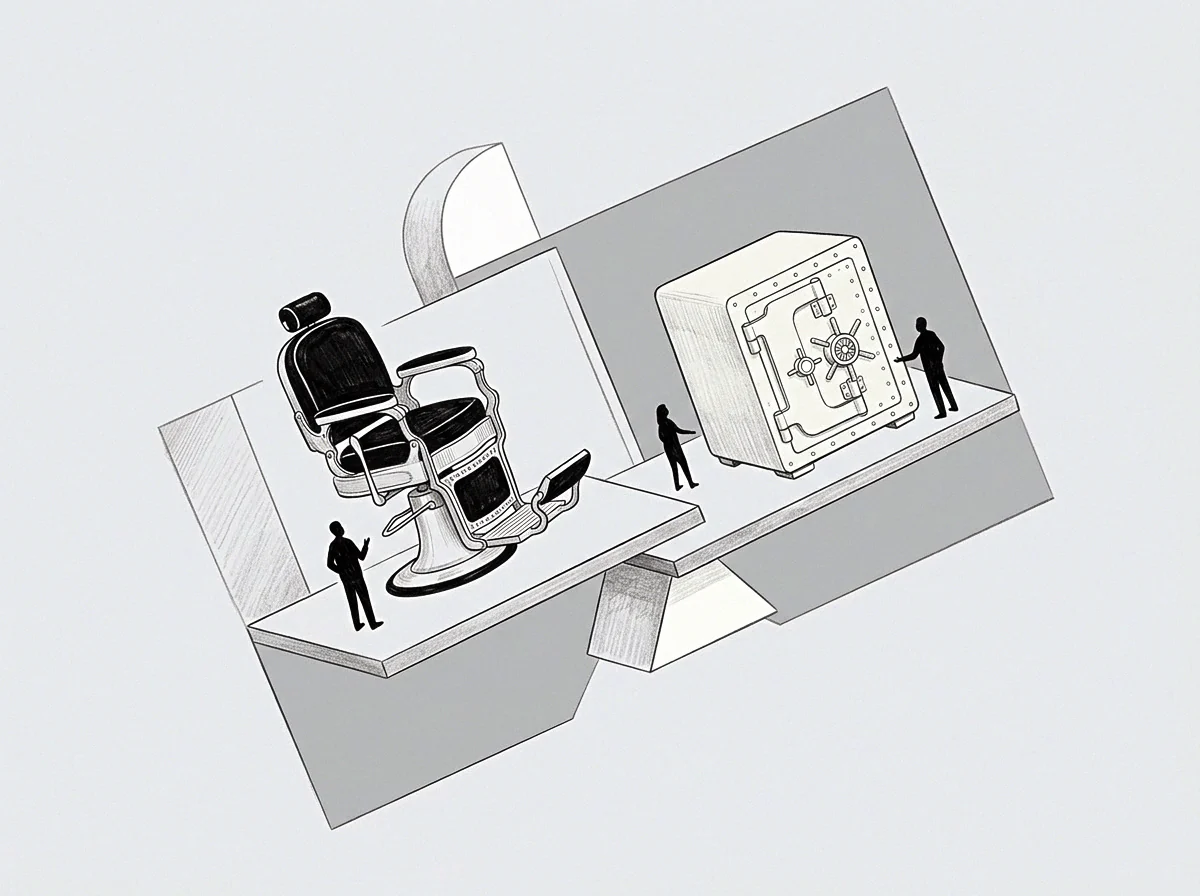
Staged Custody and Multi-Party Attestation
Asynchronous approvals decouple capital from wakefulness. When an operational incident demands capital outlays, the primary corporate officer initiates the expenditure proposal inside a secure verification environment. Rather than authorizing direct bank execution, this initial action creates an immutable commitment ticket with defined settlement specifications.
Dual signatures divide the biological liability. The proposed transaction passes immediately into a secondary review corridor occupied by a designated finance officer, audit chair, or non-executive director operating in an alternate time zone. This structural relay forces capital commitments to traverse rested sensory apparatuses before settlement occurs.
A multi-party treasury protocol protects the balance sheet by ensuring that the person experiencing the highest physiological strain cannot hold the final settlement key.
The operational sequence for high-value treasury movement adheres to explicit procedural stages:
- The primary executive initiates a provisional expenditure voucher, defining capital scope, legal entity beneficiaries, and settlement parameters inside the treasury management console.
- Automated policy gates scan the proposed disbursement against pre-approved liquidity bands, freezing unilateral execution for transactions exceeding fifty thousand dollars.
- The secondary reviewer receives an unalterable attestation packet in an active operational corridor, conducting independent covenant verification free from local crisis noise.
- Statutory escrow holding timers engage, enforcing a mandatory ninety-minute transactional delay for out-of-cycle transfers during circadian vulnerability windows.
- The secondary signatory confirms the transaction through a cryptographically isolated identity module, distributing institutional responsibility across two distinct physical bodies.
Asynchronous Liquidity Safeguards
Secondary signatories absorb acute verification strain. By formalizing this division of labor, the firm removes the implicit operational expectation that the chief executive must remain awake continuously until crisis financing settles. The executive executes the primary authorization request, closes their terminal, and surrenders the verification mandate to corporate governance nodes that possess full cognitive capacity.
Fixed schedules eliminate nocturnal decision pressure. Institutional design choices determine whether an operational emergency degrades corporate capital reserves. When treasury protocols mandate secondary sign-offs during nocturnal periods, the probability of impulsive capital transfers collapses toward zero.
Under formal corporate bylaw amendment Article Four Section Twelve, all discretionary capital transfers exceeding one hundred thousand dollars initiated between eleven at night and six in the morning require independent secondary attestation from a non-executive audit committee representative.
Ledge
Treasury governance frameworks construct defensive operational margins around corporate balance sheets. These structures function as an administrative ledge, catching sudden lapses in capital allocation before assets depart banking vaults. When executive allostatic overload produces cognitive narrowing, systemic ledges prevent the enterprise from tumbling into insolvency through unvetted concessions.

Does Autonomic Depletion Alter Capital Allocation Bands?
Empirical evaluations of high-stakes financial environments verify that prolonged wakefulness systematically shrinks temporal valuation horizons. Cortisol nadirs trigger defensive concessions. Sleep deficit inflates perceived immediate payoff.
An officer who has absorbed three continuous days of shareholder panic seeks transactional resolution at steep pricing penalties.
Exhaustion narrows the evaluated payoff horizon. When corporate treasuries permit dynamic capital authorizations during operational emergencies, the capital allocation band must narrow proportionally to the duration of the operational crisis. A firm that maintains static five-million-dollar discretionary thresholds while its leadership endures severe physical wear invites structural insolvency.
The risk of catastrophic balance-sheet misallocation rises exponentially when capital expenditure ceilings remain fixed while executive biological capacity declines.
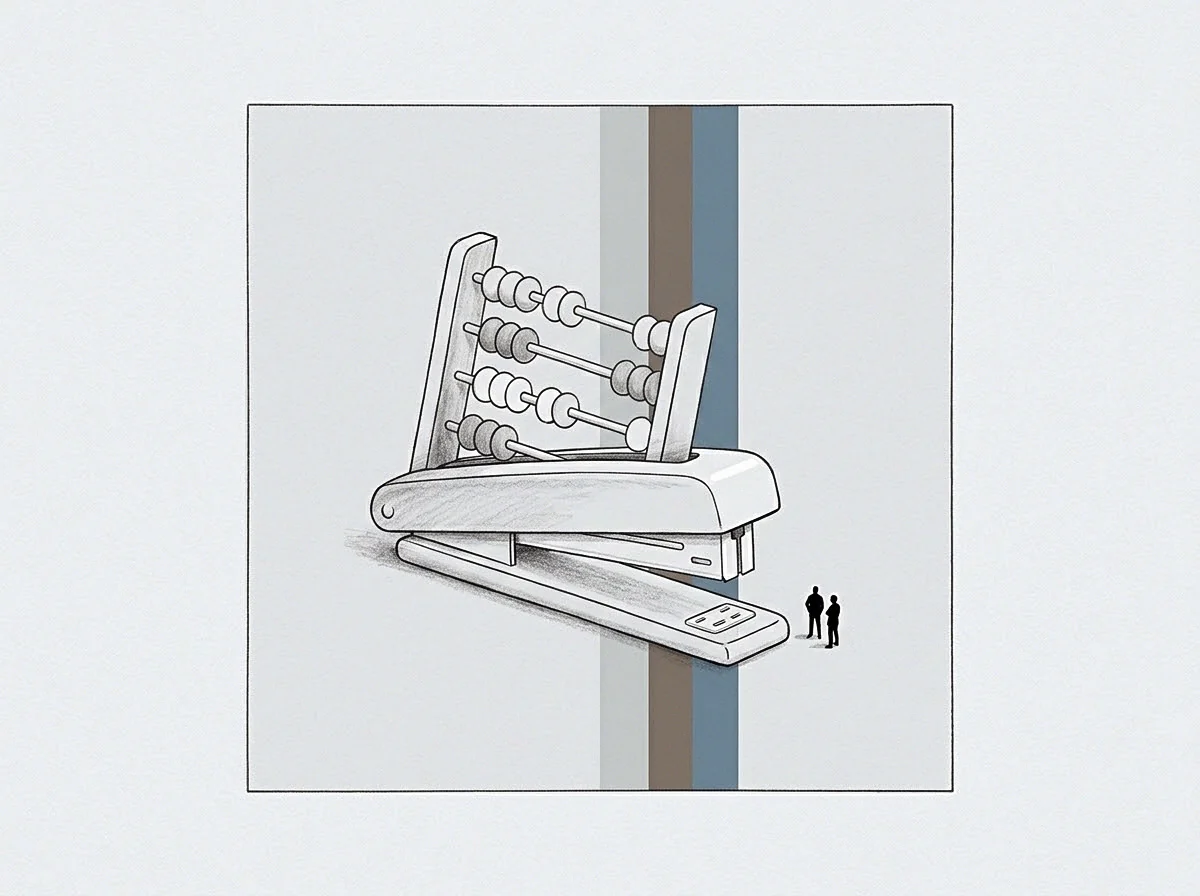
Structured limits protect unallocated reserves. Adjusting capital authorization bands downward as operational hours accumulate creates an institutional shock absorber. The enterprise caps maximum discretionary disbursements at ten percent of standard baseline allocations once continuous crisis operations surpass twenty-four hours, transferring residual funding decisions to independent board trustees.
Contractual Escrow and Automatic Pauses
Escalation rules suspend unilateral disbursement powers. Embedding contractual escrow provisions into enterprise banking agreements guarantees that unvetted capital calls face mandatory verification delays. Cooling intervals arrest emergency disbursements.
The treasury apparatus inserts structural pauses between transactional initiation and final settlement, providing institutional space for prefrontal recovery or board-level intervention.
Statutory cooling periods block panicked liquidations. When a counterparty demands immediate funding during nocturnal windows, the automated escrow system executes an institutional halt. This procedural barrier removes personal emotional pressure from the individual in the seat, anchoring corporate behavior to predefined contractual protocols.
Failing to establish algorithmic capital freezes leaves the enterprise vulnerable to midnight balance-sheet liquidations driven by biological depletion rather than strategic valuation.
Wall
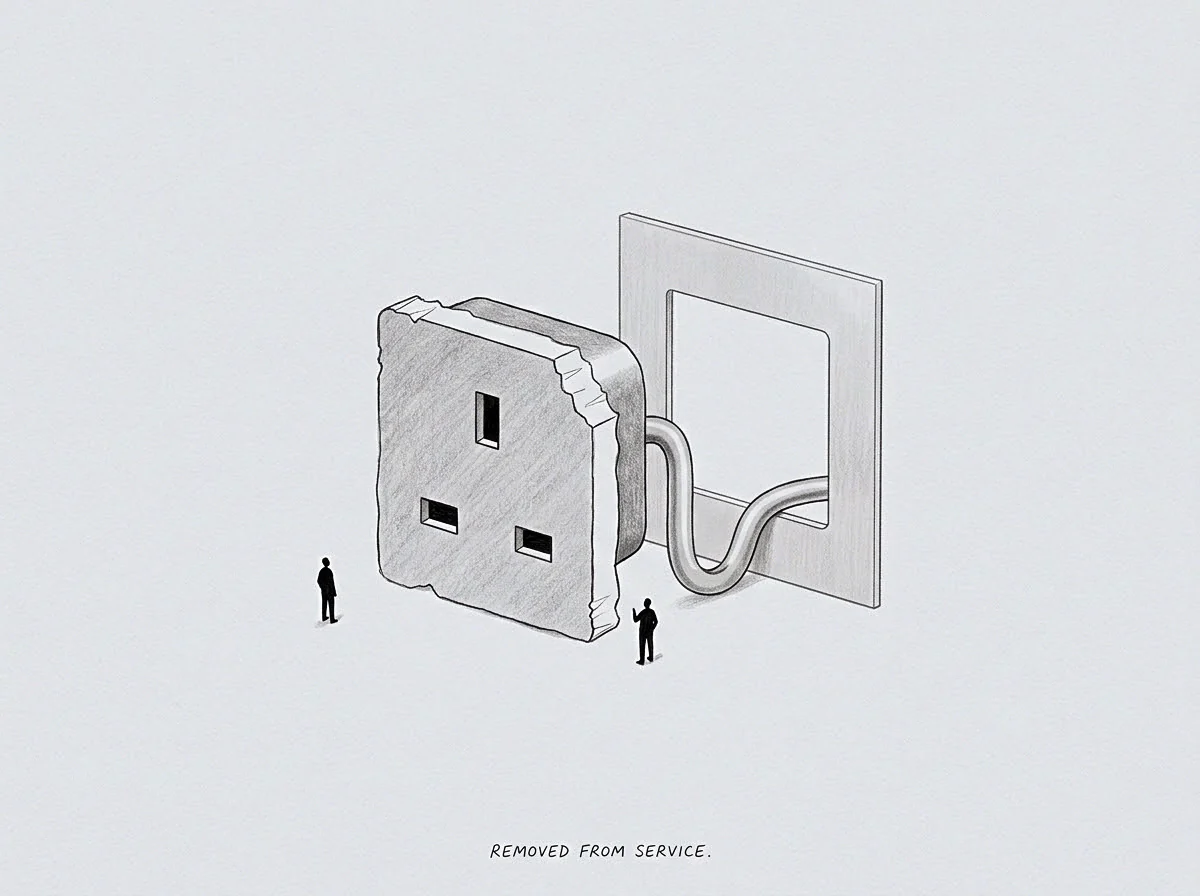
Institutional boundaries construct an impenetrable separation between corporate balance sheets and the biological frailty of the executive team. This organizational wall treats executive physiological stamina as a finite, measurable, and depreciating corporate operational asset. Corporate liquidity management cannot rely on executive sleeplessness as an emergency substitute for robust structural governance.
Insulation of Corporate Reserves From Physical Fatigue
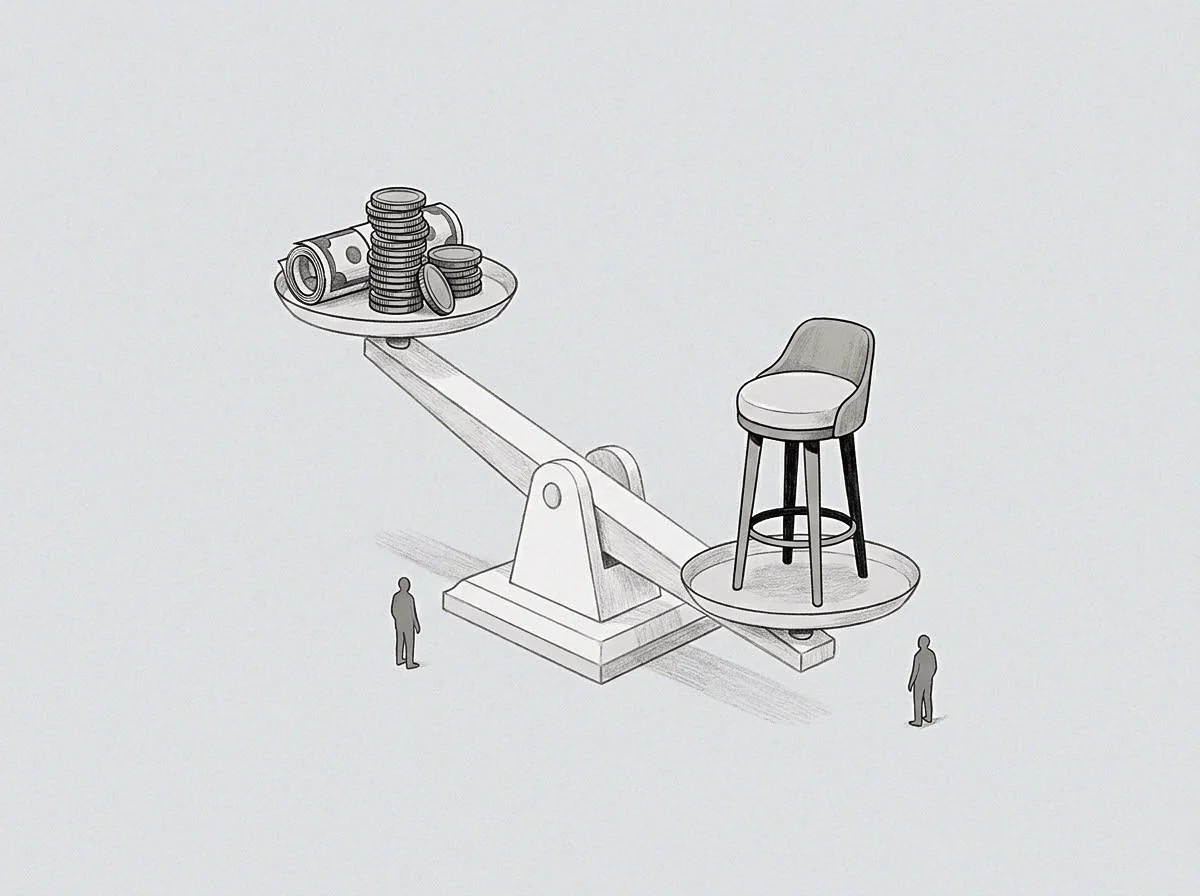
Constitutional capital architectures insulate corporate reserves by converting human physical limits into explicit governance triggers. When an executive officer reaches predetermined operational thresholds, internal systems strip high-value authorization privileges automatically. This transition represents an administrative safety protocol rather than a disciplinary sanction.
Quorum rules prevent solitary midnight commitments. Removing single-signer authority during prolonged operational emergencies preserves the balance sheet from the consequences of autonomic collapse. The institution functions as an engineered system, buffering its balance sheet against the inevitable neurochemical decay of its human operators.
The enterprise establishes sustainable continuity only when corporate bylaws recognize that prefrontal cortex exhaustion degrades fiduciary judgment as reliably as clinical intoxication. By embedding automated multi-party relays, dynamic authorization ledges, and statutory nocturnal freezes directly into core banking arrangements, the firm guarantees that its capital base survives the physiological degradation of the individuals appointed to lead it.
How far can an institution formalize the biometric monitoring of executive alertness before the objective protection of corporate capital infringes upon executive privacy and structural authority?