
Irreversible Autonomic Baseline Downregulation Following Extended Multi Year Fiduciary Threat Exposure
Extended personal fiduciary threat suppresses vagal tone and alters allostatic baselines, creating persistent autonomic throttling distinct from depression.

Threat
A founder signs a personal guarantee for a commercial real estate lease, opens a personal bank line to bridge payroll during a delayed Series A closing, and accepts joint fiduciary liability under an ambiguous board shareholder agreement across three fiscal years. During this period, operational execution continues normally. Deliveries ship, revenue expands, and team meetings proceed without visible disruption.
Beneath that operational continuity, the biological system processes unresolved personal legal and financial exposure as an un-gated background threat. Standard environmental stressors resolve when an acute incident concludes. Personal liability threats carry no fixed daily schedule, operating continuously across sleep cycles, strategy sessions, and family meals.
The human autonomic nervous system evolved to manage acute physical hazard through rapid sympathetic activation followed by parasympathetic recovery. Personal fiduciary exposure alters this metabolic curve. Because legal claims and personal insolvency risks remain active over multi-year horizons, the sympathetic system remains perpetually engaged at a moderate tone.
The biological system holds state indefinitely. Over thirty-six months of continuous personal guarantee exposure, the brainstem and neuroendocrine structures adapt to constant threat presentation. Systemic thresholds stay elevated.
The biological system treats unresolved legal liability as an active physical predator regardless of operational distance.
Fiduciary threat exposure differs structurally from operational overload. An operator holding ten project threads can close five threads by delegating authority or paring product scope. Fiduciary threats resist scope reduction through standard operational choices.
A personal guarantee signed to secure corporate debt binds the individual’s personal assets to external market conditions and counterparty behavior. Capital guarantees consume capacity. The threat stays live even when the founder steps away from daily management.
When personal capital remains pledged to corporate survival, every corporate email, board update, or financial report acts as a potential trigger for sympathetic arousal.
The Anatomy of Prolonged Personal Liability
Extended financial exposure operates through chronic uncertainty. Legal disputes, equity disputes, and debt default covenants generate continuous signals of potential asset destruction. The brain processes financial loss as a direct threat to safety and social baseline security.
When personal liability spans multiple years, the hypothalamic-pituitary-adrenal axis maintains elevated cortisol secretion while parasympathetic vagal regulation recedes. The neural circuitry governing threat detection re-calibrates to treat continuous vigilance as the baseline requirement for survival.
Personal liability acts continuously. The owner holding personal liability cannot establish clear rest intervals because the threat vector operates independently of business hours. A legal notice arriving on a Friday evening maintains sympathetic tone throughout the weekend.
Over time, the biological cost of maintaining continuous alertness depletes neurochemical reserves and alters vascular tone. The body adapts to extended exposure by downregulating baseline responsiveness to prevent catastrophic metabolic collapse.

Continuous Background Thread Operations
An open fiduciary thread functions as an un-gated processing loop within the central nervous system. The brain reserves cognitive and autonomic capacity for unresolved existential hazards. Every incoming communication undergoes rapid filtering for threat markers related to the open legal or financial risk.
This continuous background scans consume regulatory headroom that would otherwise support emotional regulation, executive function, and physiological restoration.
Attempting to manage personal guarantee exposure through emotional compartmentalization fails at the biological level. Cognitive suppression of financial fear does not reduce autonomic activation. The brainstem continues to monitor threat parameters, maintaining elevated vascular resistance and suppressed resting heart rate variability.
Treating personal legal risk as a temporary mental disturbance rather than a continuous physiological strain exhausts regulatory capacity long before legal resolution occurs.
Tone
Autonomic baseline downregulation manifests as a fundamental shift in resting physiological state. Under prolonged fiduciary stress, the parasympathetic nervous system reduces its regulatory control over cardiac, gastrointestinal, and metabolic functions. The vagus nerve, which acts as a brake on heart rate and sympathetic arousal, withdraws its influence.
This withdrawal is not an acute failure. The body deliberately lowers vagal tone to keep sympathetic machinery immediately available for defense. Parasympathetic tone remains depressed.
When high-threat conditions persist for years, the baroreceptors in the vascular system reset their baseline pressure sensitivity. Heart rate variability, an established index of autonomic flexibility and parasympathetic regulation, drops significantly. Lowered variability reflects a rigid nervous system locked into narrow operational bounds.
The biological architecture adapts. The dynamic range between resting calm and acute fight-or-flight activation narrows, restricting the body’s capacity to adjust to minor daily stressors.
| Parameter | Throttled Autonomic Baseline | Clinical Depressive State |
|---|---|---|
| Autonomic Tone | High sympathetic vigilance paired with suppressed resting vagal tone. | Generalized hypo-arousal with reduced baseline metabolic expenditure. |
| Task Execution | Targeted execution sustained while novel demand causes rapid exhaustion. | Broad initiation deficit across routine and complex tasks. |
| Cognitive Headroom | Restricted capacity due to open background threat processing threads. | Diffusively impaired cognitive processing speed and working memory. |
| Physiological Recovery | Resting restoration fails due to sustained baseline threat vigilance. | Sleep architecture disrupted without active sympathetic mobilization. |
Misinterpreting this throttled autonomic state as clinical depression leads to incorrect interventions. Depressive states typically feature generalized behavioral inhibition, loss of motivation, and reduced psychomotor drive. Throttled autonomic baseline downregulation presents as high functional execution paired with severely restricted capacity for additional load.
The founder continues to negotiate contracts, lead teams, and execute operational moves, but minor unanticipated friction causes instantaneous exhaustion. The system runs at its absolute ceiling while attempting to appear unperturbed.
A un-gated personal guarantee transfers fiduciary volatility directly into neuroendocrine baseline shifts.

Physiological Shifts in Autonomic Governance
Chronic fiduciary threat alters autonomic governance across three distinct physiological systems. The neuroendocrine system flattens its circadian cortisol curve, yielding elevated evening cortisol levels and dampened morning awakening responses. The cardiovascular system exhibits elevated resting arterial stiffness and reduced high-frequency heart rate variability.
The central autonomic network reorganizes, strengthening functional connectivity between the amygdala and brainstem autonomic centers while weakening prefrontal inhibitory control.
The biological system settles into these parameters to protect tissue integrity. Sustaining peak sympathetic output indefinitely causes severe myocardial and vascular damage. Downregulating baseline autonomic responsiveness shields organs from explosive catecholamine surges, establishing a lower, flatter baseline of physical energy.
The individual experiences this protective downregulation as permanent physical fatigue, reduced emotional resonance, and diminished baseline enthusiasm.
Distinguishing Throttled Capacity From Depressive Failure
Distinguishing a throttled nervous system from clinical depressive collapse requires tracking operational capacity against open regulatory load. In depressive states, removing an external stressor does not immediately restore initiation energy. In throttled autonomic states, initiation energy remains intact for prioritized core tasks, but non-essential peripheral tasks are sharply gated out.
Autonomic reserve decreases over time.
The following structural indicators mark the presence of persistent autonomic baseline downregulation:
- Vagal Brake Suppression Resting heart rate remains consistently elevated by six to twelve beats per minute above historical baseline levels during sleep cycles.
- Attenuated Sympathetic Spikes Acute positive stimuli fail to generate standard physiological arousal, producing feelings of emotional numbness or detachment during significant milestones.
- Rapid Capacity Exhaustion Regulatory capacity drops abruptly when forced to switch between multiple unresolved operational threads.
- Gastrointestinal Downregulation Chronic suppression of digestive vagal signaling leads to persistent functional motility alterations during active threat periods.
The baroreflex setpoint shift permanently alters heart rate variability dynamics under un-gated cognitive load.

Frame
Fiduciary risk operates as a structural multiplier on human cognitive load. Every open guarantee, indemnification clause, or pending litigation creates a concurrency debt within executive processing. An operator can manage three active operational projects with clear scopes, timelines, and measurable outputs without overtaxing regulatory headroom.
Introducing one unresolved fiduciary threat carrying potential personal asset seizure changes the computational architecture entirely. The open legal thread commands continuous monitoring resources.
The concurrency limit defines how many open processing threads a human brain can maintain before error rates spike and physiological regulation degrades. Operational threads with defined bounds cost relatively little regulatory energy. An un-gated fiduciary thread possesses undefined scope, uncertain resolution dates, and extreme down-side consequences.
Open loops exhaust cognitive slots. The nervous system assigns priority allocation to existential hazards, forcing routine operational decisions to run on remaining leftover slots.
Where Does Autonomic Baseline Shift Become Permanent Under Chronic Exposure?
Downregulation shifts from a temporary adaptive state into a permanent baseline setting when threat exposure extends past the structural recovery window. Neuronal circuits in the ventromedial prefrontal cortex and amygdala undergo structural remodeling under sustained glucocorticoid exposure. Dendritic spines retract in regions responsible for contextualizing threat, while dendritic trees expand in regions responsible for fear conditioning.
After years of continuous fiduciary exposure, the neurobiological apparatus loses the structural flexibility required to return to pre-exposure baselines.
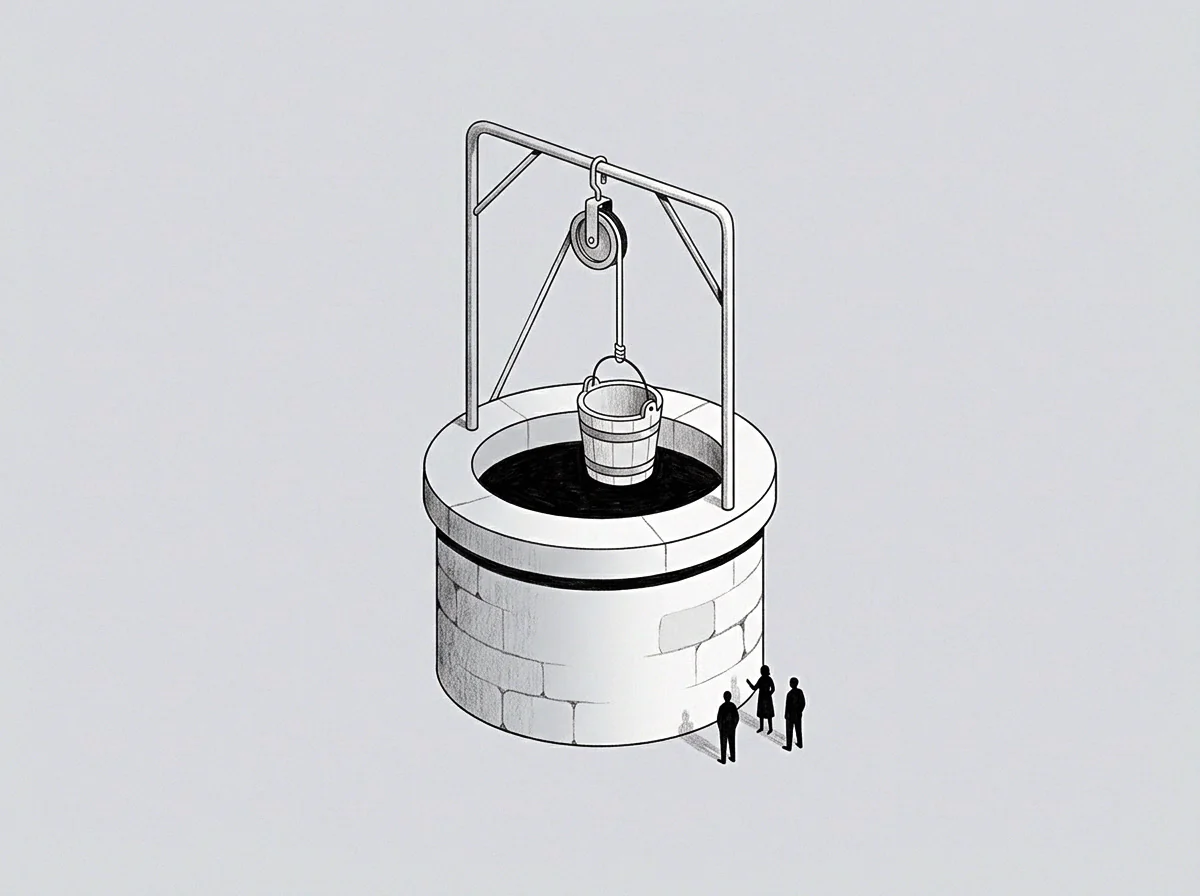
The shift locks into place when an operator continues running at biological ceiling despite clear signals of regulatory depletion. When personal assets remain attached to legal liabilities across multiple corporate financing cycles, the brain updates its predictive model of the world. Safety is no longer registered as an achievable state.
The nervous system embeds constant vigilance into its persistent cellular architecture.
Structural Gates for Fiduciary Risk
Mitigating autonomic downregulation requires replacing dynamic emotional coping with structural risk isolation. Relying on psychological endurance to withstand multi-year legal exposure guarantees biological exhaustion. The human system requires formal gates that cap fiduciary liability and isolate personal assets from corporate volatility.
- Capping Personal Guarantees Establishing strict monetary ceilings and automatic expiration dates on all personal financial commitments made to corporate creditors.
- Structuring Director Indemnification Securing comprehensive director and officer insurance policies backed by explicit corporate indemnification agreements prior to taking board seats.
- Segregating Fiduciary Communications Confining legal dispute documentation and financial liability updates to fixed, scheduled weekly review windows rather than continuous push notifications.
- Establishing Resolution Timelines Contractually binding co-founders or investors to formal mediation steps to prevent equity disputes from dragging on indefinitely.
The board notes that the personal guarantee remains binding regardless of operational handover dates.
Margin
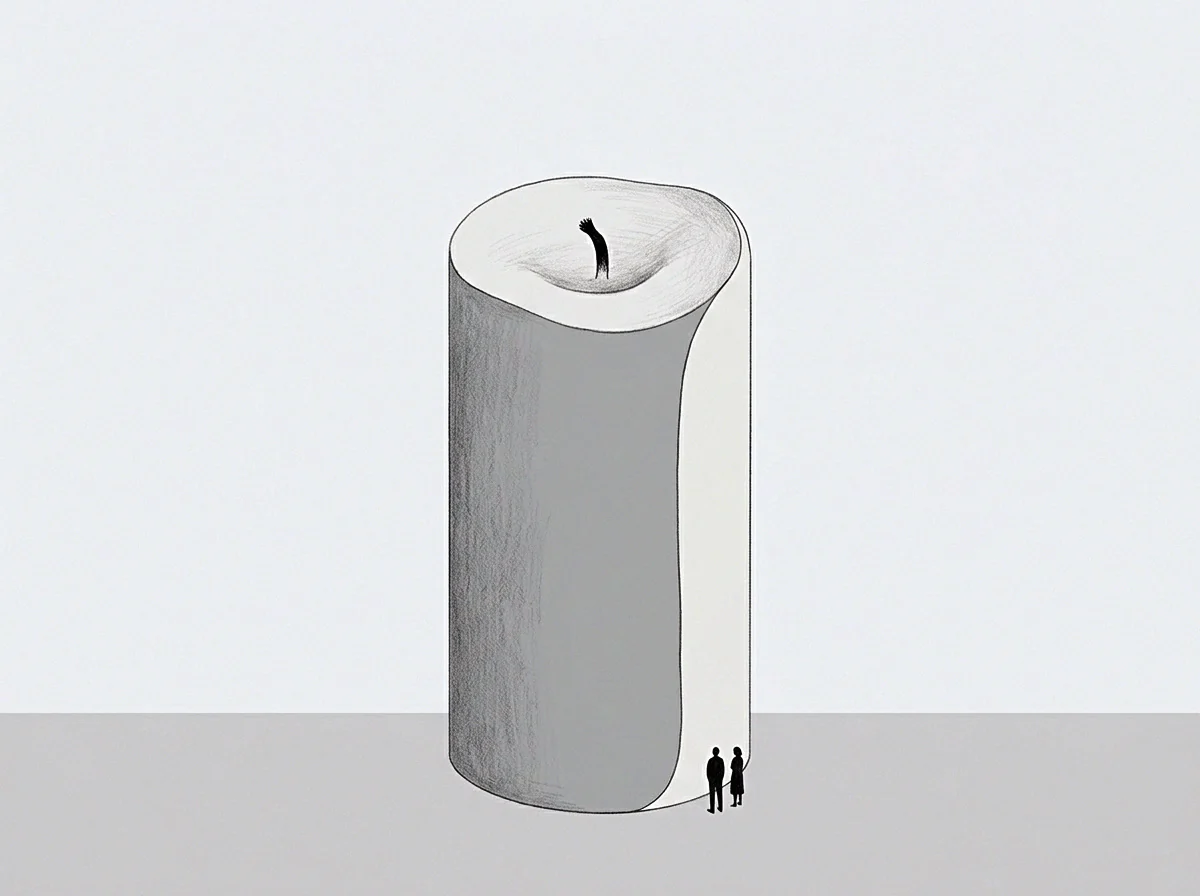
Headroom represents the measured difference between current regulatory demand and maximum physiological capacity. Under baseline conditions, a healthy autonomic nervous system maintains ample headroom, allowing a person to absorb sudden shocks, resolve conflicts, and engage in creative problem-solving without exhausting physical reserves. Vagal nerve activity drops.
Extended fiduciary threat exposure consumes this margin, locking the system into a low-headroom state where minor additional demands breach operational limits.
When regulatory margin vanishes, biological systems implement strict allocation rules. Non-essential physiological functions receive reduced energy supplies. Long-term tissue repair, immune cell maturation, and parasympathetic digestive processes slow down.
The individual experiences this internal reallocation as a loss of physical resilience, increased susceptibility to minor illnesses, and prolonged physical recovery times following ordinary exertion. Structural constraints replace dynamic modulation.
Prolonged exposure to personal financial risk depresses resting vagal nerve activity whenever recovery intervals remain unshielded by contractual limits.

Headroom Exhaustion and Baseline Re-Anchoring
Continuous exhaustion of regulatory margin forces the autonomic nervous system to re-anchor its baseline setpoints. The central nervous system recognizes that operating perpetually near peak capacity poses acute failure risks. To prevent systemic overload, the brain downregulates overall energy availability.
It caps maximum output, lowers resting metabolic expenditure, and reduces emotional reactivity. The new baseline operates at a fraction of pre-exposure capacity.
Re-anchoring protects the organism from catastrophic cardiac or neurological collapse during ongoing threat exposure. The lower baseline functions as a permanent governor on engine speed. Even after the underlying fiduciary threat concludes through legal settlement, asset sale, or debt satisfaction, the autonomic nervous system often retains its downregulated setpoint.
The biological governor remains engaged because the neural pathways controlling baseline reset have solidified.
The Depletion of Vagal Reserve
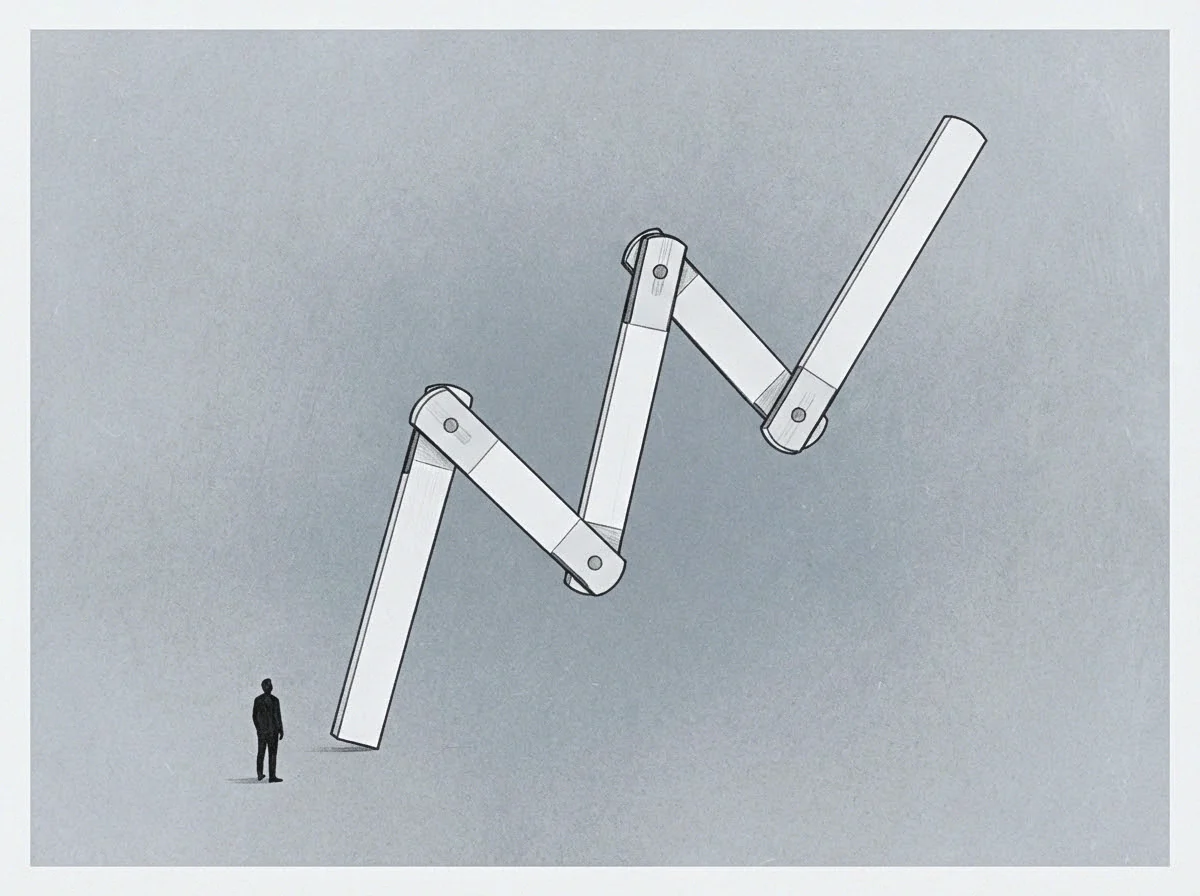
The vagal reserve represents the parasympathetic system’s capacity to restore calm and counteract sympathetic surges. In healthy individuals, robust vagal tone enables rapid heart rate deceleration following stress, efficient inflammation suppression, and deep restoration during sleep. Prolonged personal liability exposure drains this reserve by demanding constant sympathetic override.
Recovery fails to initiate.
Without adequate vagal reserve, standard stress-reduction practices yield minimal physiological change. Short breathing exercises, brief vacations, or light physical exercise fail to shift the underlying autonomic baseline when vagal innervation remains chronically suppressed. The body views these short interventions as transient fluctuations within an ongoing threat environment.
Resting parasympathetic recovery cannot re-engage while personal liability remains attached to company performance.
Resting autonomic headroom cannot recover while personal liability remains attached to ongoing corporate liabilities.
Latch
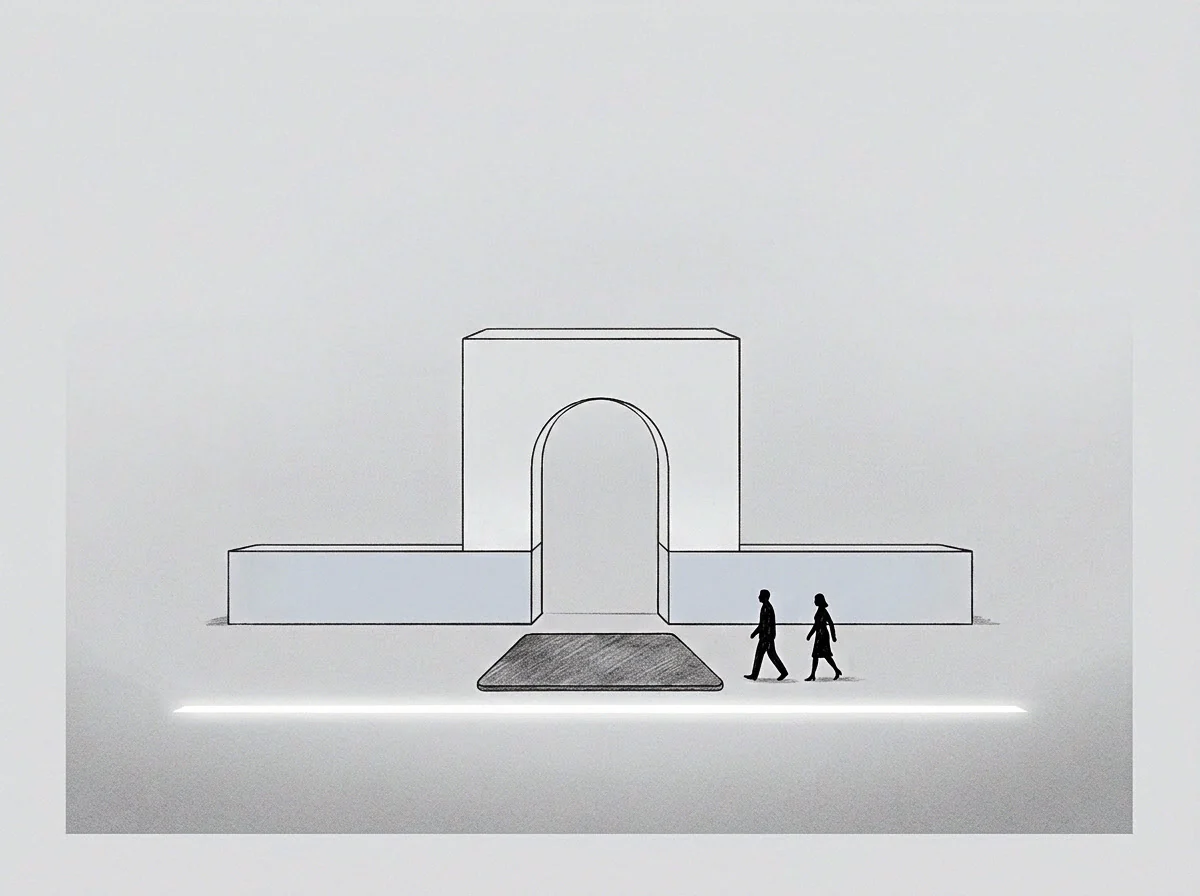
Operating post-founding with a downregulated autonomic baseline requires abandoning expectations of returning to an earlier biological state. The search for a complete restoration of pre-exposure energy levels often leads to repeated cycles of over-commitment followed by abrupt physical collapse. The biological system holds state.
Accepting the lowered autonomic ceiling as a permanent structural condition allows the operator to design working arrangements that protect remaining capacity.
Managing downregulated regulatory capacitance centers on strict thread budgeting. Because the system can no longer handle multiple concurrent ungated stressors, the operator must limit open commitments. High-stakes negotiating, legal management, and personal financial exposures cannot run simultaneously.
The load stays carried. Each active thread must be gated by explicit scope boundaries, defined end dates, and clear exit terms before another thread opens.
Autonomic recovery cannot initiate while personal capital guarantees remain attached to ongoing corporate liabilities.
Post Exposure Operating Parameters
A downregulated autonomic baseline dictates specific operating rules for post-founding work. The operator can no longer rely on unlimited adrenaline to power through unstructured sixty-hour workweeks. Attempting to force peak performance through artificial stimulants or high-intensity stress environments triggers rapid autonomic decompensation.
The biological architecture requires structured operating parameters aligned with reduced regulatory headroom.
Work design must prioritize predictability and clear boundaries. Solitary deep execution, structured advisory roles, and clear board positions consume far less autonomic margin than operating executive seats with un-gated liability. Settled threats leave tissue markers.
The operator who acknowledges these constraints maintains high analytical effectiveness within bounded roles, using experience to offset reduced sheer endurance.
Managing Downregulated Regulatory Capacitance
Downregulated capacitance alters how an individual responds to ambiguous incoming signals. Communication channels that generate constant, unstructured pings produce disproportionate sympathetic spikes in a nervous system carrying long-term threat wear. The operator protects regulatory headroom by establishing strict communication asynchronous protocols, limiting live meeting counts, and delegating counterparty negotiations to structured legal representatives.
The post-exposure state is a quiet, highly constrained operating model built to survive a modified biological baseline. The physical system retains its historical memory of existential fiduciary hazard through altered cardiac rhythms, lower stress tolerance, and rapid fatigue onset under un-gated load. The enduring open question for practitioners in stress physiology and executive management is whether targeted neuro-vagal modulation can eventually reset these deeply anchored setpoints, or if post-fiduciary autonomic downregulation represents a permanent structural adaptation of the human nervous system.