
Longitudinal Bounds Of Autonomic Downregulation In Secondary Regulators Experiencing Prolonged Interpersonal Presence Limits
Prolonged presence limits deplete secondary regulators when borrowed calm drains autonomic headroom without an active internal receptor slot for shared regulation.

Floor
Four message threads remain open at midnight while an operator sits at a desk where two phones continue to emit silent light. The surrounding room carries no acute threat, yet the heart rate of the person in the seat stays elevated, holding a steady sixty-five beats per minute above baseline resting levels. Across the building, team members report feeling settled after brief conversations in that same office.
They return to their tasks with lower peripheral arousal, reduced vascular resistance, and clear cognitive bandwidth. The nervous systems of those around the desk treat the proximity of a steady presence as an external physiological buffer, delegating their own autonomic downregulation to the person in the seat. The energy saving for the team is real, quantifiable, and direct.
The cost falls on one person.
Social baseline theory establishes that the human brain treats social proximity not as an added luxury, but as the default economy for energy expenditure. When a reliable conspecific is near, the brain downscales its own threat detection and metabolic expenditure, offloading baseline regulation onto the environment. This energy conservation mechanism relies on an asymmetrical transfer of regulatory work.
The primary entity offloads regulatory friction, while the secondary regulator absorbs the cognitive and autonomic burden required to maintain an invariant, baseline presence.
The human brain budgets metabolic energy under the assumption that proximity to a stable presence reduces individual regulatory expenditure.
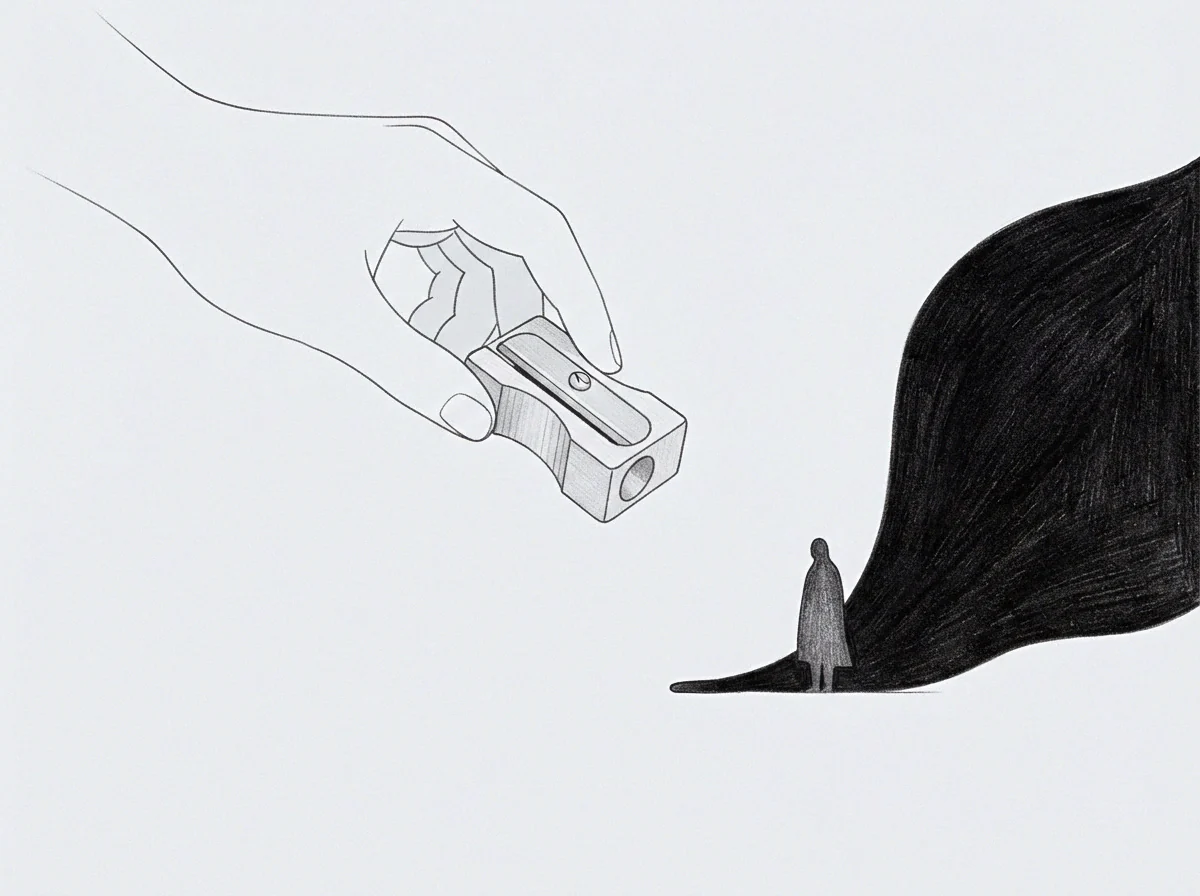
Neural Expenditure in Proximity
Direct physiological monitoring reveals that autonomic downregulation in a secondary regulator operates under strict metabolic constraints. When a secondary regulator maintains an even affective state across hours of continuous interpersonal contact, the prefrontal cortex maintains tonic inhibitory control over sympathetic arousal pathways. This inhibition requires continuous glucose consumption and cardiac vagal control, measured through high-frequency heart rate variability.
When peripheral individuals attach to this steady state, their own hypothalamic-pituitary-adrenal axis down-regulates cortisol release. Borrowed calm leaves no trace.
The neural budget shifts. In laboratory settings measuring dyadic baseline regulation, pairs subjected to threat exhibit lower collective anterior cingulate cortex activation when holding hands with a familiar, trusted partner compared to holding hands with a stranger or remaining unassisted. The finding rests on functional magnetic resonance imaging data from married couples exposed to electric shock threat, where baseline risk calculations dropped strictly as a function of perceived partner reliability.
Should the underlying population sample shift to operational partnerships with unresolved structural friction, the regulatory savings dissipate, requiring both parties to maintain high individual metabolic expenditure. The primary benefit of proximity is the reduction of individual effort, provided the secondary regulator absorbs the environmental variance.
| Regulation Strategy | Primary Energy Source | Autonomic Load Location | Longitudinal Capacity Impact |
|---|---|---|---|
| Isolated Self-Regulation | Endogenous Glucose and Inhibition | Individual Secondary Regulator | High Autonomic Fatigue |
| Dyadic Co-Regulation | Shared Metabolic Expenditure | Distributed Dyad Pair | Sustainable Energetic Balance |
| Borrowed Regulation | Secondary Regulator Baseline State | Concentrated on Secondary Regulator | Depleted Peripheral Headroom |
In high-stakes environments, team members routinely interpret the secondary regulator’s lack of visible agitation as evidence of infinite capacity. The room grows quiet. The operational reality remains that the secondary regulator’s autonomic stability is an active metabolic process, not a passive trait.
The presence of secondary regulators creates an environment where others can lower their guard, while the regulators themselves remain tethered to continuous environmental monitoring.
Everything feels manageable and clear whenever work happens in the same room as the founder.
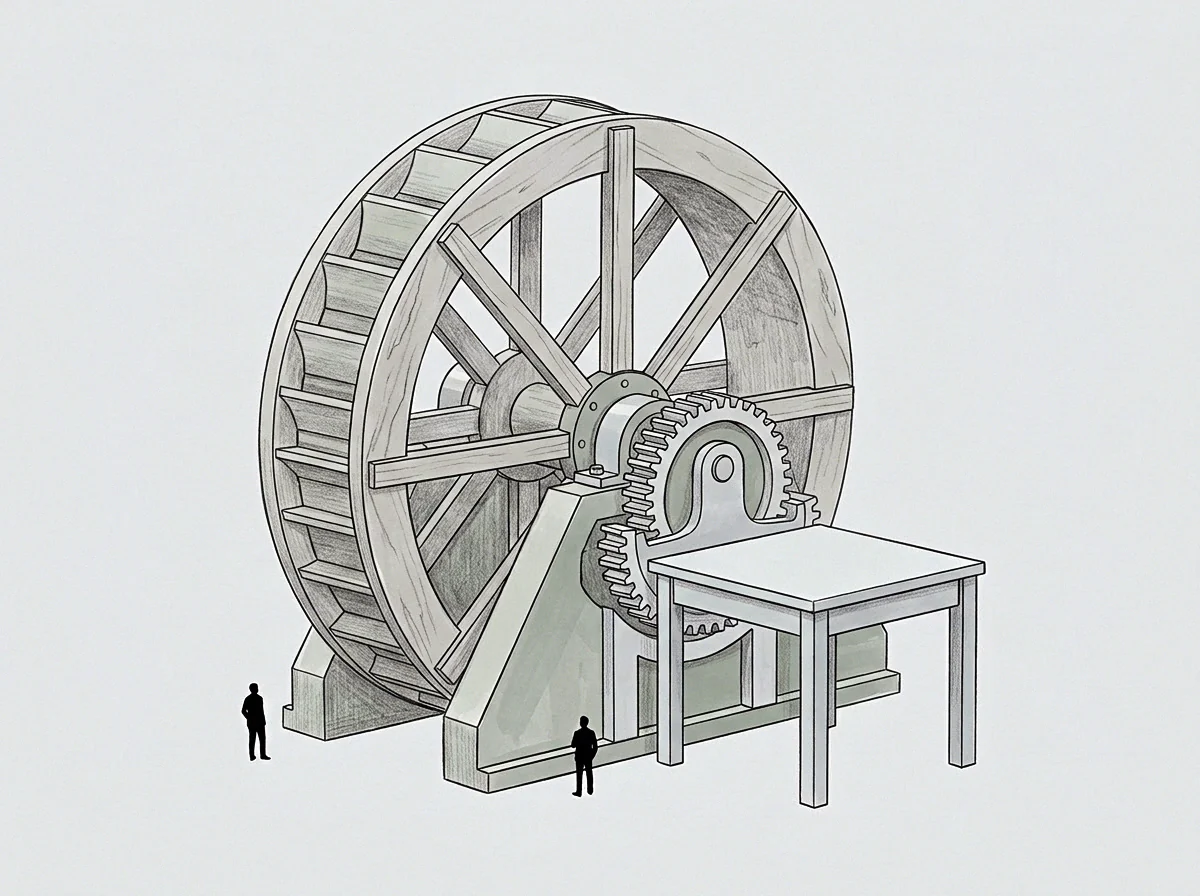
Template
Early attachment conditions organize how a person maps relational safety and internalizes regulatory tasks. When a developing individual experiences inconsistent parental attunement, the nervous system adapts by developing a hyper-vigilant operational posture. The person learns to monitor the emotional and physiological states of primary figures to anticipate environmental instability.
This adaptation constructs an internal working model where maintaining the regulation of others becomes the prerequisite for personal safety.
This structural arrangement produces a backward internal baseline. The individual internalizes a model of themselves acting as the primary stabilizing force for others, without building an internal receptor slot to receive external regulation. The capacity to be held, soothed, or buffered by another person remains uncultivated.
The secondary regulator learns to perform all necessary downregulation for the surrounding environment while remaining incapable of absorbing incoming co-regulatory offers.

The Architecture of the Backward Model
A person who operates from a backward baseline processes relational input through a specific structural bias. When an associate or partner offers presence, validation, or shared responsibility, the secondary regulator’s neural architecture registers the input as an anomaly or an added supervisory task. The offer goes unacknowledged.
The brain treats incoming presence as an operational variable requiring evaluation rather than a resource that reduces metabolic load.
- Hyper-vigilant scanning initiates continuous baseline tracking of external affective states before personal internal needs are computed.
- State assimilation maps the external distress directly onto the secondary regulator’s autonomic system, triggering immediate corrective downregulation effort.
- Somatic containment suppresses outward expressions of strain to maintain a low-arousal surface for the surrounding team.
- Receptor bypass routes incoming supportive signals away from autonomic resting pathways, preserving self-reliance as the single trusted mode.
An internal working model formed around functional self-reliance processes incoming supportive presence as an added operational variable rather than a metabolic relief.
The secondary regulator constructs a identity grounded in stability under stress. Strength under stress attracts more load. Team members, operational partners, and personal contacts naturally drift toward the person who demonstrates the lowest visible baseline reactivity.
The secondary regulator accepts this allocation because their foundational template equates being needed with environmental predictability. Over extended operational windows, this template locks the secondary regulator into a permanent structural surplus of outgoing regulation and a permanent deficit of incoming support.
The continuous deployment of this pattern yields an isolated physiological operational state. The secondary regulator remains physically surrounded by people who depend on their calm, yet experiences complete autonomic isolation. The body keeps the baseline.
The template ensures that every interpersonal interaction reinforces the necessity of self-reliance, creating a closed loop where external presence constantly consumes secondary regulator headroom without ever replenishing it.
The stated limit of the arrangement remains hidden until the secondary regulator’s internal energy reserves reach absolute depletion, at which point the entire interpersonal structure experiences acute instability.
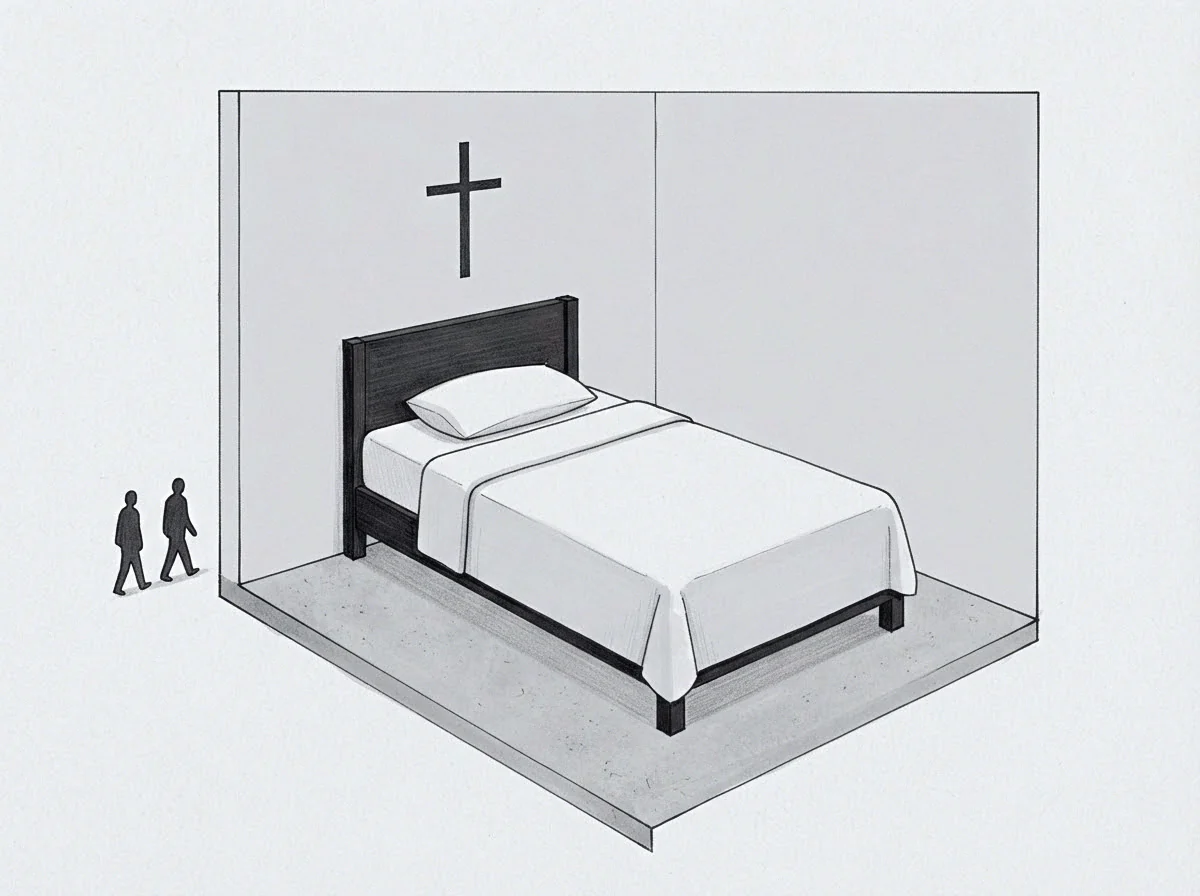
Ceiling
Prolonged operational demands push secondary regulators to the absolute edge of their autonomic reserves. When interpersonal presence limits are extended across quarters or years without rest, the secondary regulator experiences a continuous elevation of allostatic load. The nervous system loses its ability to return to a baseline resting state, maintaining a chronic level of low-grade sympathetic activation even during periods of apparent physical inactivity.
The brain operates under a concurrency limit for emotional and autonomic processing. A secondary regulator can process a finite number of incoming distress signals before the prefrontal inhibitory control mechanisms begin to degrade. When this threshold is crossed, autonomic downregulation ceases to function efficiently.
The secondary regulator enters a state of structural exhaustion that manifests not as acute distress, but as profound physiological detachment.

What Happens When The Receptor Slot Stays Empty?
When an individual maintains continuous secondary regulation without an active internal receptor slot, the autonomic nervous system eventually enforces a shutdown response. The vagal nerve pathways transition from ventral vagal social engagement to dorsal vagal immobilization. This physiological shift alters how the secondary regulator interacts with the operational environment.
- Throttling of affective resonance protects remaining neural energy by dampening the secondary regulator’s capacity to process subtle social cues.
- Somatic withdrawal reduces the physical expression of warmth, signaling to the surrounding team that the regulatory buffer is no longer available.
- Cognitive fragmentation breaks complex strategic thinking into short-term tactical responses as executive working memory contracts under sustained load.
- Depersonalized execution replaces genuine interpersonal attunement with mechanical compliance to operational requirements.
Continuous secondary regulation without structural replenishment leads to dorsal vagal immobilization and the mechanical execution of presence.
This state of detachment is frequently misdiagnosed by organizational peers as burn-out or clinical depression. While clinical depression involves a broad impairment of reward pathways and burn-out reflects an organizational alignment failure, secondary regulatory exhaustion is specifically an autonomic energy deficit caused by continuous, unreciprocated baseline provision. The secondary regulator retains the desire to perform and build, but the physical substrate required to sustain low-arousal presence has expired.
Capacity expires under continuous demand. As executive function degrades, the secondary regulator begins to make operational errors that were previously trivial to avoid. Decision velocity slows, interpersonal tolerance narrows, and the capacity to absorb external frustration disappears.
The surrounding team, accustomed to relying on the secondary regulator’s steady state, experiences this transition as a sudden, unpredictable failure of leadership.
Misinterpreting structural autonomic exhaustion as a simple loss of motivation leads to interventions that increase pressure on the secondary regulator, accelerating total relational and operational breakdown.
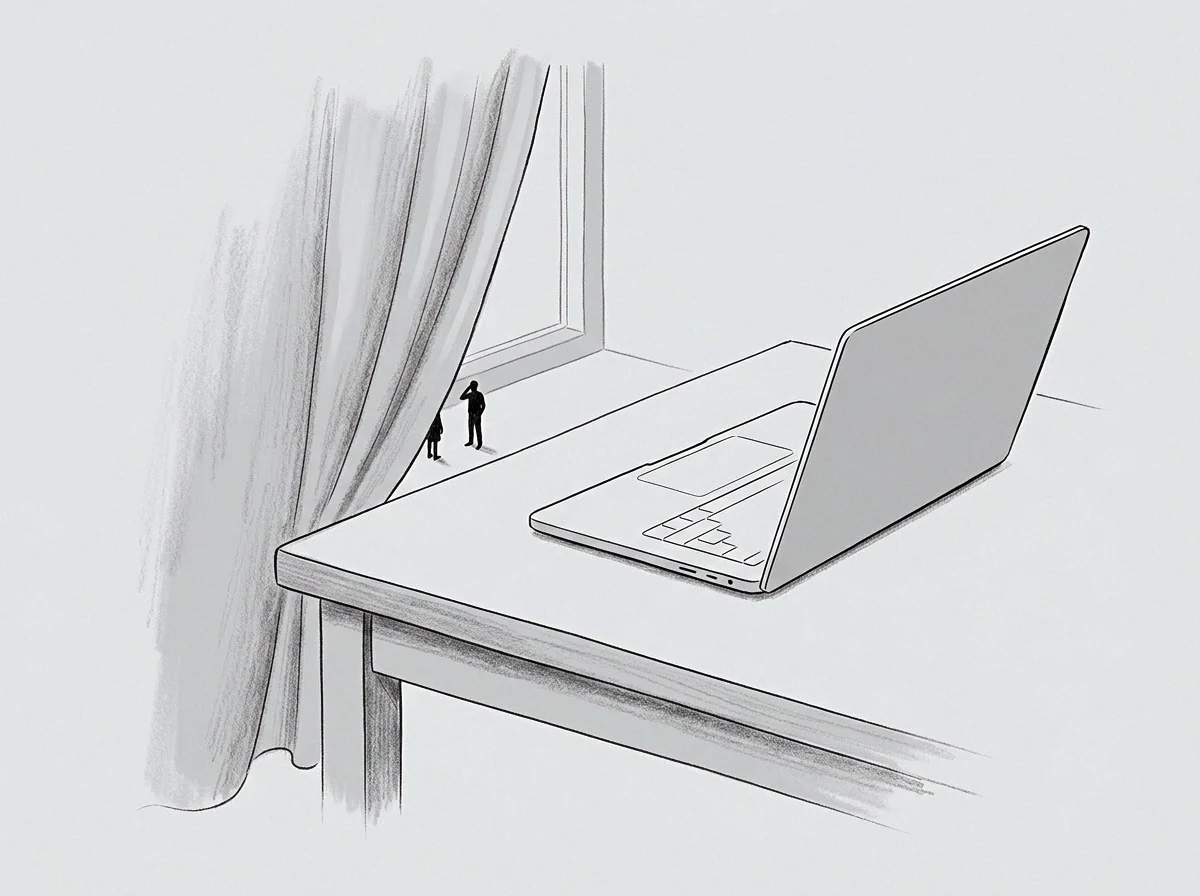
Weight
The direct physical burden of sustained secondary regulation emerges clearly when examining longitudinal case studies of operational partnerships. Consider a typical founding pair that has operated an enterprise for four years without formal boundaries around availability. Assume the primary commercial operator holds sixty percent of external facing duties, while the secondary internal operator manages technical execution, staff alignment, and operational stability.
The primary operator relies on the secondary operator’s calm presence to settle anxiety before major negotiations and strategic decisions.
Over a forty-eight month period, the primary operator sends over forty asynchronous communications per day, seeking reassurance, validation, and structural direction. The secondary operator processes these inputs instantly, maintaining a low-arousal, highly supportive response posture regardless of the time of day or personal operational load. The secondary regulator treats this pattern as a standard requirement of the executive role.
The operational budget breaks.
By year three, the secondary operator exhibits measurable markers of chronic autonomic strain: resting heart rate increases by twelve beats per minute, sleep architecture shows a forty percent reduction in deep slow-wave recovery, and morning salivary cortisol levels display a flattened diurnal curve. The primary operator reports high satisfaction, low stress, and robust personal productivity, attributing this success to strong cultural alignment. The primary operator remains entirely unaware of the autonomic transfer that sustains their performance.
Longitudinal tracking of operational dyads reveals that the perceived stability of an enterprise often hides the continuous autonomic depletion of its primary stabilizing partner.
A critical shift occurs when the secondary regulator attempts to introduce a stated limit on availability. The secondary operator notifies the team that direct messaging will close at seven in the evening to allow for autonomic recovery. The surrounding system, having structured its operational baseline around the secondary regulator’s continuous availability, reacts with immediate friction.
The primary operator interprets the stated limit as a withdrawal of commitment or a personal rupture.
The desk cannot fully defend whether a secondary regulator can successfully force a structural baseline update within an existing partnership without first exiting the environment entirely. Field observations indicate that human systems build deep operational resistance to losing a free regulatory buffer. When the buffer attempts to charge a metabolic cost for presence, the system typically responds by increasing pressure or seeking a replacement buffer elsewhere.
The secondary regulator must decide whether to accept the ongoing physical drain or endure the relational conflict required to enforce the boundary.
Will the primary partner accept the metabolic cost of their own self-regulation, or will they dismantle the partnership once the secondary regulator stops absorbing the system’s ambient friction?
Slot
Updating a backward baseline template requires a transition from conceptual insight to experiential somatic learning. Cognitive understanding of attachment patterns or neural energy budgets does not alter autonomic responses. The nervous system updates its operational models exclusively through repeated, actual experiences of relational safety where incoming presence is successfully received and integrated.
This process of building earned security involves constructing the missing receptor slot inside the regulator’s somatic architecture. The secondary regulator must experience moments where personal distress or high arousal is met by another individual’s stable presence, without the secondary regulator taking on the task of managing the other person’s state. The second template forms slowly.
Building the Capacity for Co-Regulation
Constructing an active receptor slot requires deliberate exposure to structured, low-demand interpersonal environments. The secondary regulator must practice remaining in physical proximity with a stable partner while consciously withholding the impulse to monitor, manage, or smooth the operational environment. Repeated experience updates the model.
The update path follows a precise sequence of somatic adjustments. The secondary regulator first notices the visceral urge to stabilize the surrounding room when environmental tension rises. Instead of acting on this urge, the regulator pauses, directing attention inward to track personal physiological arousal.
The regulator permits their own heart rate and respiration to be buffered by an external, reliable presence, allowing the nervous system to register that safety does not require personal control.
Over time, this practice builds a secondary internal template alongside the historic backward model. The secondary regulator develops the capacity to move fluidly between providing secondary regulation and receiving co-regulation, restoring natural autonomic flexibility. The neural budget tilts back toward equilibrium.
The individual no longer needs to maintain an invariant, unyielding presence to feel secure within an operational structure.
The seat demands steady presence, but true structural durability requires that the person in the seat can step down from the floor when their reserves are done.
Stability sustained through absolute self-sacrifice is merely a delayed structural collapse.