Meaning
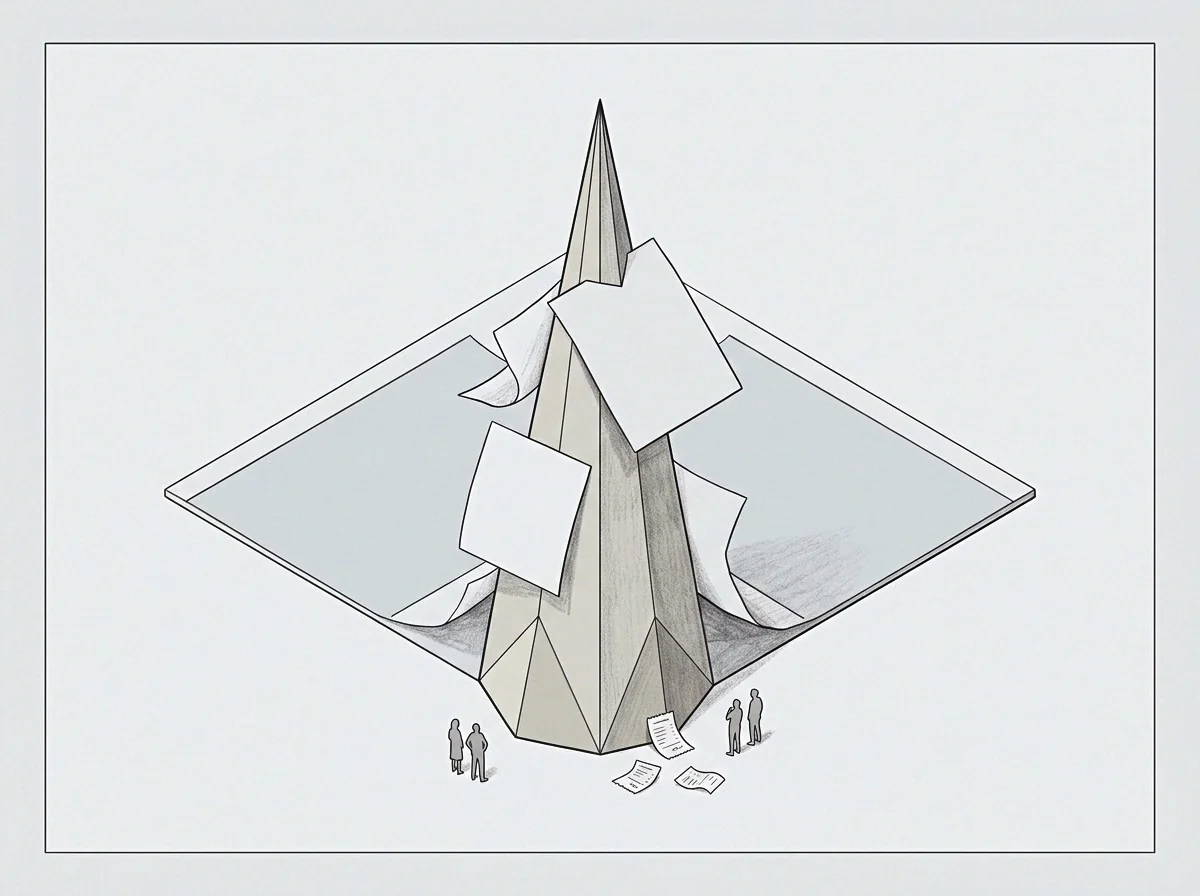
Organizational fatigue occurs when the demands placed on a system consistently exceed its ability to recover. The accumulation of systemic strain affects both the human and technical components of a business, leading to a general decline in performance and resilience. This condition is characterized by a high volume of errors, increased friction in communication, and a loss of strategic agility.
It requires active management to prevent permanent damage to the company.
Cumulative Load
Unaddressed stress build-up spreads across different departments over time, creating multiple issues. When systemic strain is allowed to build, it begins to affect team morale and technical stability simultaneously. This cumulative load makes the organization vulnerable to even minor disruptions, as there is no residual capacity to absorb shocks.
The leadership team must monitor primary indicators of stress, such as employee turnover and system downtime, to identify when intervention is required.
Structural Failure
Total collapse is the ultimate consequence of leaving continuous pressure unmanaged. When an organization reaches the point of severe systemic strain, critical functions begin to fail, leading to service outages and a breakdown in internal coordination. This state of failure is difficult and expensive to recover from, often requiring a complete restructuring of processes and a substantial reduction in workload.
The cost of prevention is always lower than the cost of recovering from a complete breakdown.
Mitigation Protocol
Restoring balance requires a deliberate reduction in demand and the injection of fresh resources. Reversing systemic strain involves prioritizing essential tasks and deferring non-urgent projects. This recovery period allows the team and the infrastructure to stabilize before resuming normal operations.