Meaning
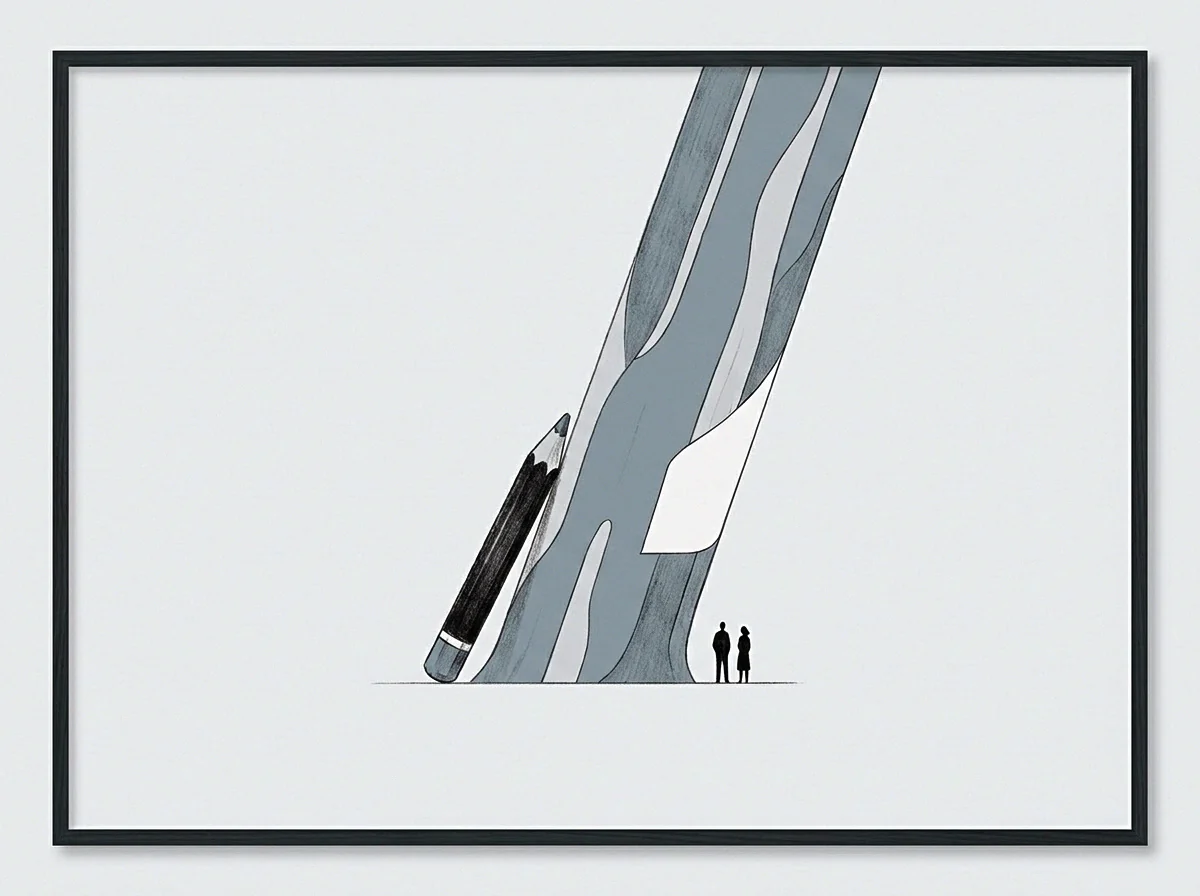
Physiological exhaustion characterizes the state where an individual remains in a permanent high-alert mode following the cessation of intense executive responsibility. Sympathetic saturation occurs when the autonomic nervous system stays locked in a fight or flight response even after the external stressors of a founding role vanish. Long periods of intense decision making drain the available cortisol reserves and disrupt the natural return to a parasympathetic state.
This phenomenon prevents full recovery and keeps the physical capacity for calm at a fixed low volume.
Regulatory Mechanism
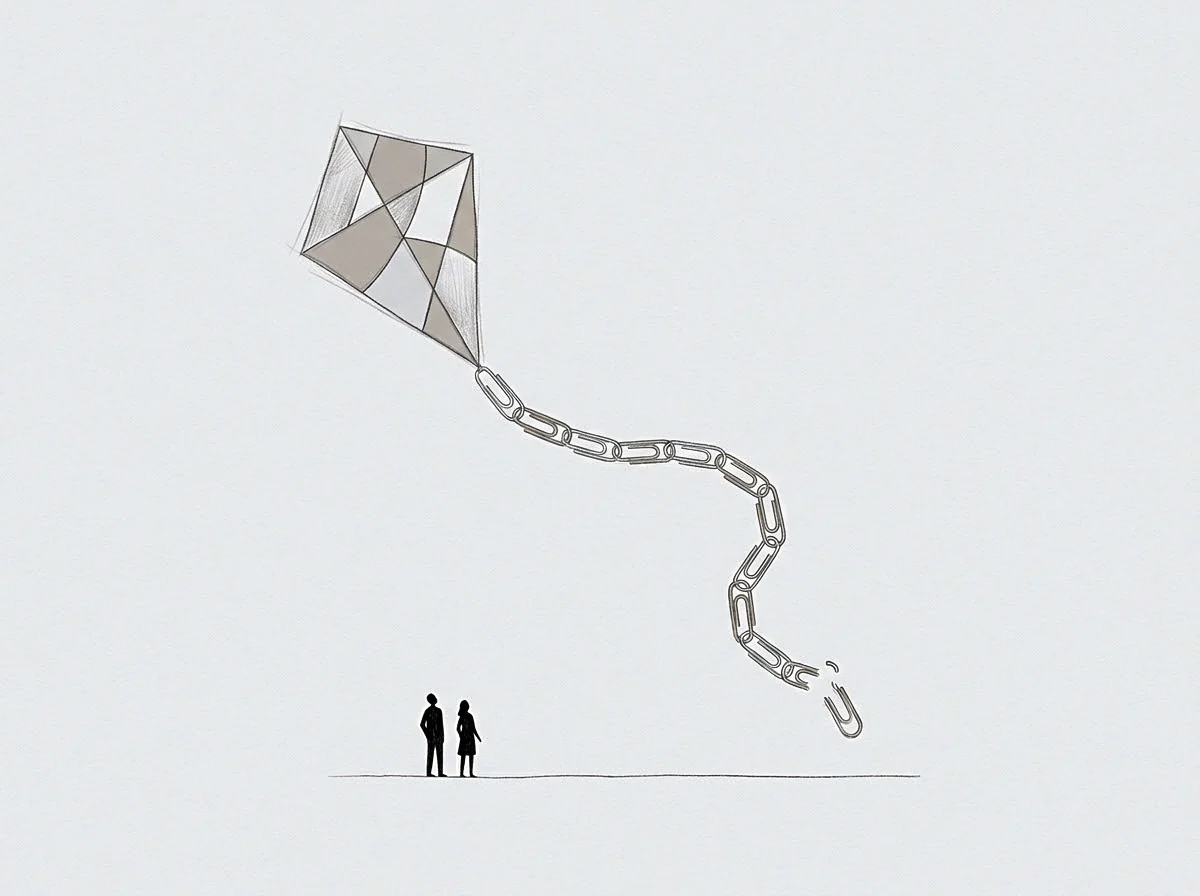
Ongoing hypervigilance creates a cycle that prevents the body from transitioning into a resting mode. Sympathetic saturation requires a deliberate external intervention because the system no longer recognizes the signal for relaxation. Chronic engagement during the startup phase leaves the neurology accustomed to processing constant rapid threats.
Small tasks start to generate physical tension equivalent to the massive pressures of the initial launch period.
Capacity Impact
Elevated arousal levels consume excessive energy and shorten the duration of deep mental focus. Founders experience this as a reduction in the efficiency of routine problem solving. Every hour spent in this high-frequency state burns away the reserves needed for cognitive maintenance.
Decisions become faster but lose their nuance as the biological hardware forces a focus on short term survival rather than long term strategy.
Systemic Boundary
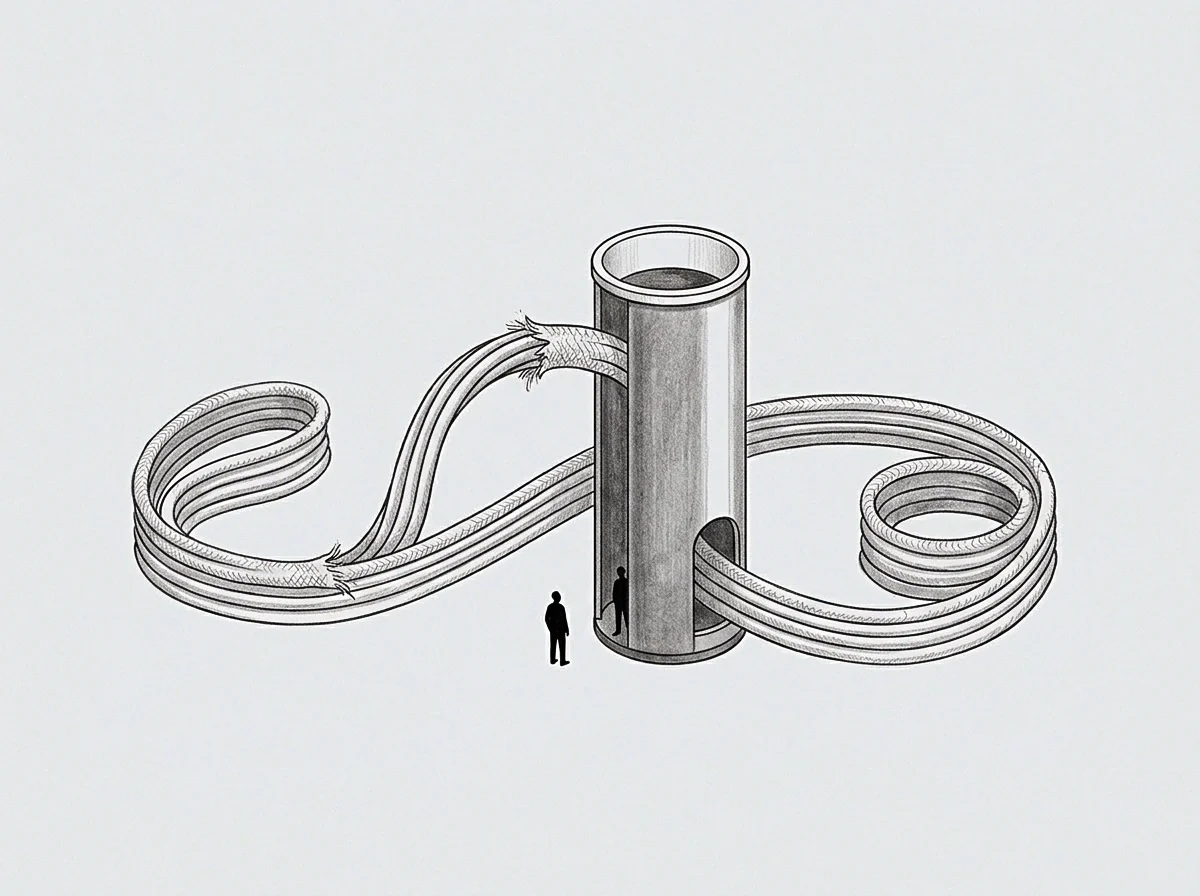
Full homeostasis resumes only when the neurological baseline shifts back through consistent physical recalibration. Sympathetic saturation stops acting as a primary driver of behavior once the brain learns to process the lack of immediate danger as a default state. Biological signals override conscious efforts to relax until the internal system establishes a new equilibrium.
A return to baseline health marks the point where the physiological overhead of the previous role finally dissipates.