
Longitudinal Autonomic Recovery Curves Following Multi Year Executive Allostatic Ceiling Saturation
Autonomic recovery requires prolonged sympathetic withdrawal, restoring parasympathetic braking and cortisol sensitivity over eighteen months of insulation.

Deficit

Neuroendocrine Inertia After Prolonged Saturation
Termination of prolonged operational exposure leaves the neuroendocrine axis locked in sympathetic dominance. The adrenocortical response does not clear simply because the operational calendar empties. Circulating catecholamines, elevated corticotropin-releasing hormone, and suppressed vagal efference persist for quarters past the formal liquidity event or resignation.
The organism maintains anticipatory mobilization long after external demand ceases.
Resting heart rate remains elevated by eight to twelve beats per minute during early decompression. High-frequency heart rate variability, which tracks parasympathetic regulatory control, shows flattened amplitudes during slow-wave sleep. Somatic tissue records the duration of the operational tenure rather than the relief of the exit agreement.
Sustained sympathetic activation persists while peripheral receptors await the cessation of unpredicted operational shocks.
Downregulation of glucocorticoid receptors in the hippocampus explains the cognitive friction that characterizes this period. High cortisol concentrations across multi-year runs desensitize these receptor populations. When active stressors disappear, the negative feedback loop fails to clamp baseline production.
Circulating glucocorticoids stay elevated, producing fragmented sleep architecture, impaired working memory retrieval, and mid-morning exhaustion.
The system experiences structural inertia. The body continues metabolizing reserves to meet threats that have already been resolved. Operational cessation exposes physiological debt.

Floor
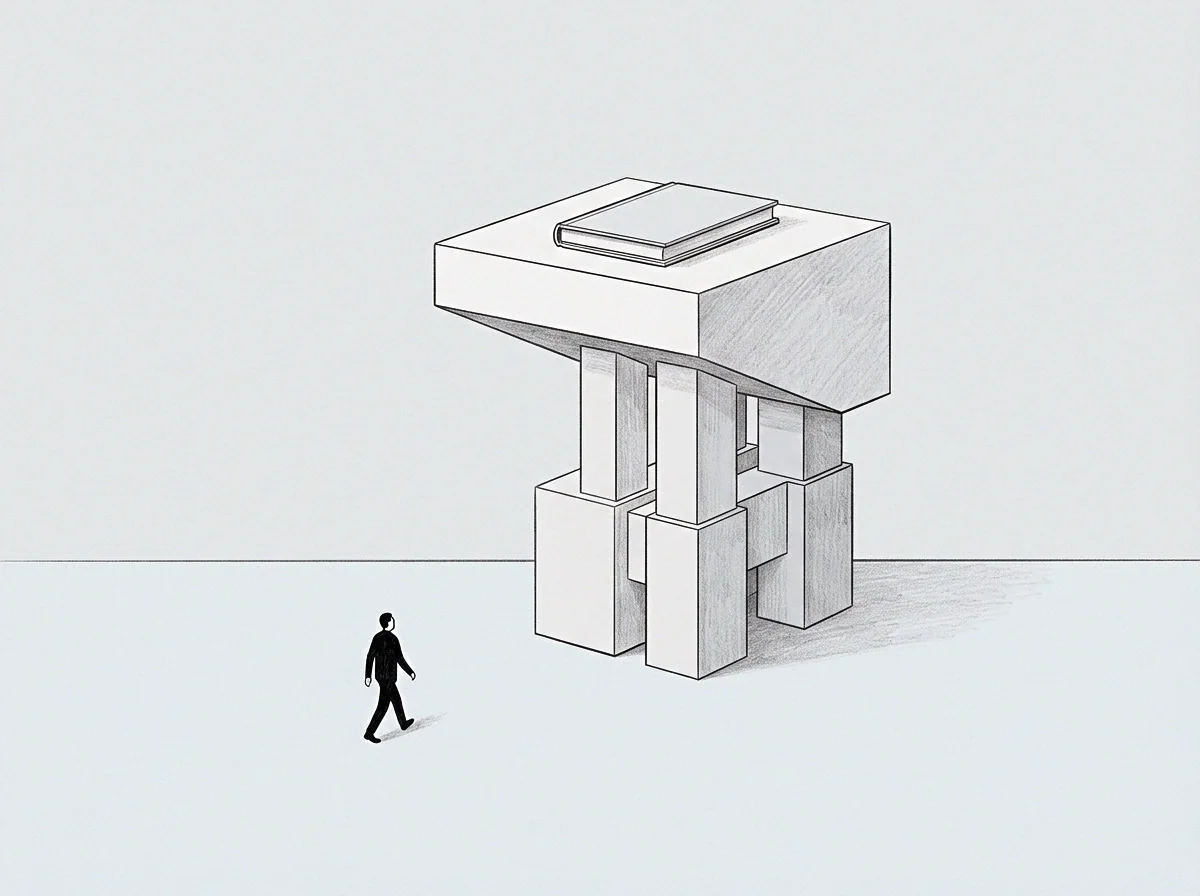
Autonomic Biomarkers Across Decompression
Quantitative measurement of autonomic tone establishes the trajectory of somatic rebuilding. The return of parasympathetic braking requires predictable intervals devoid of acute coordination demands. The physiological variables shift systematically across three operational recovery stages.
| Biomarker Indicator | Ceiling Saturation Phase | Early Decompression Phase | Stabilized Equilibrium Phase |
|---|---|---|---|
| High-Frequency Power | Markedly attenuated below 150 milliseconds squared | Erratic fluctuations with nocturnal dips | Consistently restored above 400 milliseconds squared |
| Cortisol Awakening Response | Blunted or completely inverted curve | Exaggerated peak with delayed morning clearance | Predictable forty percent rise clearing within sixty minutes |
| Pupillometric Constriction Velocity | Decelerated parasympathetic response latency | Partial acceleration under controlled light stimulus | Normalized cholinergic sphincter kinetics |
| Core Nocturnal Body Temperature | Elevated nadir occurring after 04:00 | Gradual downward drift toward standard nadir | Stable nadir achieved between 02:00 and 03:00 |
Biomarkers reveal clear structural phases. Attempts to force active somatic restoration through high-intensity physical exertion during the initial phase induce acute parasympathetic shock. The cardiovascular system treats anaerobic thresholds as additional operational debt.
Light aerobic walking and extended non-stimulant rest permit autonomic recalibration.
A flattened diurnal cortisol curve indicates that the peripheral adrenal glands remain uncoupled from hypothalamic modulation.
Premature resumption of complex ventures while markers remain depressed creates systemic relapse into secondary chronic fatigue.

Pace

Cardiovagal Reactivation Chronometry
Parasympathetic reactivation follows an ordinal calendar. Vagal efference through the nucleus ambiguus resumes control in distinct biological tiers, beginning with basal metabolic regulation and culminating in complex social engagement circuits.
- Enteric Coordination stabilizes gastric motility and mucosal blood flow within ninety days of total operational disconnection.
- Chronotropic Dampening lowers basal nocturnal cardiac rate across one hundred and eighty days of low-demand scheduling.
- Baroreflex Recalibration restores arterial pressure compensation during orthostatic transitions over nine months.
- Frontolimbic Modulation re-establishes prefrontal cortical inhibition over amygdalar threat signaling around month twelve.
Chronotropic control recovers before prefrontal cortical inhibition. The founder regains physical energy before gaining cognitive patience. Early surges in stamina frequently lead operators into exploratory capital deployment or advisory board commitments before the brain can regulate stress effectively.
Advisory obligations consume unbudgeted cognitive capacity. Small organizational disagreements reignite acute fight-or-flight cascades. The operator wonders why trivial administrative queries trigger visceral dread.
Cardiovagal regulation stabilizes somatic rhythms long before neural circuits tolerate unstructured professional input.
A structured isolation covenant of three hundred days protects the recovering nervous system against reflexive overextension.
Splint
Structural Boundary Architectures
Biological recovery depends on structural insulation from inbound demands. Without definitive administrative gates, ambient inquiries consume scarce cognitive reserves. The person in decompression requires defensive boundary design to block social and financial solicitation.
The administrative perimeter must operate independently of the founder. If the founder evaluates each inbound invitation personally, the neural machinery of evaluation stays engaged. Deciding whether to answer a message consumes the same autonomic currency as executing the transaction.
- Gated Routing filters commercial requests to legal representatives without alerting the principal.
- Latency Enforcers introduce mandatory forty-eight-hour delays on personal communications.
- Terminal Cutoffs sever real-time corporate telemetry, metrics dashboards, and operational group chats.
Consider two executives exiting seven-year operational tenures under heavy debt burdens. The first founder retains direct inbox access to screen interesting possibilities. That individual suffers repeated sympathetic surges, maintaining elevated salivary cortisol twelve months later.
The second founder routes communications through an estate manager instructed to decline every commercial query for one calendar year. That executive registers normalized nocturnal heart rate variability by month eight.
Unfiltered communications keep the anterior cingulate cortex perpetually scanning for emergent crises.
The ecosystem expects immediate access and interprets institutional silence as strategic retreat.

Wake

Longitudinal Trajectories of Social Baseline Re-engagement
The final phase involves re-entering human networks without borrowing regulation from artificial operational urgency. Prolonged saturation forces individuals to rely on commercial hierarchy as a synthetic skeleton. Without company milestones, unstructured personal time feels destabilizing.
The nervous system often interprets quietude as vulnerability. Social baseline theory demonstrates that relational proximity reduces neural expenditure during environmental monitoring. During executive saturation, however, colleagues and investors represented sources of incoming demand rather than co-regulatory support.
Trust in collaborative environments requires painstaking somatic reconditioning. Intimate relationships, starved of genuine presence during the operational period, cannot absorb sudden, destabilized demands for co-regulation. The individual must develop internal autonomic tolerance before expecting domestic partnerships to mitigate somatic distress.
Physical environments play an underappreciated role in shaping autonomic recovery curves. Low-density natural settings with wide horizons reduce visual scanning demands on the superior colliculus. Conversely, dense urban centers keep the vestibular and reticular activating systems on perpetual vigilance.
Recovery curves accelerate when sensory landscapes provide clear lines of sight and absence of sudden artificial auditory alerts.
The transition from structural insulation back into collaborative work represents a complex challenge. How can a repaired autonomic profile sustain strategic ambiguity without triggering the neuroendocrine reflexes of chronic crisis?