
Longitudinal Autonomic Recovery Rates Following Prolonged Executive Throttling and Structural Capacity Exhaustion
Extended operational throttling degrades autonomic adaptability, requiring structured thread closure and prolonged parasympathetic modulation before baseline capacity restores.
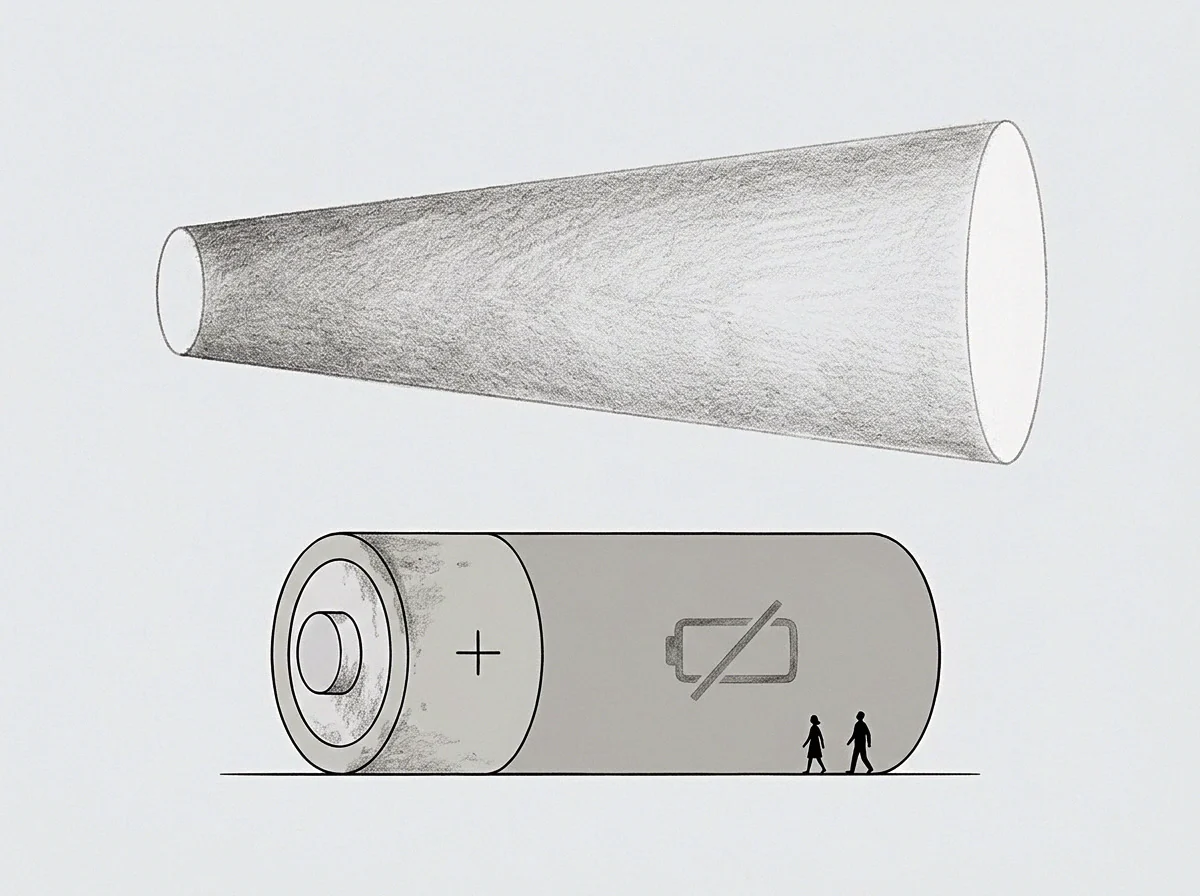
Floor
Operational continuity under high uncertainty forces human nervous systems to sustain continuous sympathetic activation while suppresses natural autonomic oscillation. When an enterprise founder or chief executive operates for multiple years at structural capacity, the organism adapts by narrowing the bandwidth of physiological response. Physiological systems maintain high vascular tone, elevated basal glucocorticoid concentration, and diminished parasympathetic responsiveness to prevent operational breakdown.
This state represents functional adaptation under extreme constraint rather than clinical pathology.
Somatic Signatures of Chronic Regulation
Continuous executive demand alters baroreflex sensitivity and resting heart rate variability. Long-term activation of the hypothalamic-pituitary-adrenal axis modifies glucocorticoid receptor sensitivity in peripheral tissues. The baseline holds.
The physiological baseline shifts upward, establishing a new set point where resting metabolic activity matches historical peak demand. The organism no longer enters deep restoration states during brief resting windows because the neural safety signals required for parasympathetic activation remain absent.
Persistent sympathetic arousal dampens baroreflex sensitivity when unresolved operational liabilities remain active in memory.
Measurements of diurnal cortisol rhythms in long-tenure operators reveal a flattened profile characterized by a muted cortisol awakening response and sustained evening elevation. This altered profile limits cellular repair, suppresses immune surveillance, and disrupts sleep architecture. Slow-wave sleep duration contracts significantly under prolonged systemic tension.
The body retains the load. Systemic fatigue accumulates across organ systems, manifesting as gastrointestinal dysbiosis, localized muscular hypertonicity, and cognitive fatigue during high-order decision tasks.

Throttling Misdiagnosed as Depressive Failure
A central failure in organizational and medical evaluations is the confusion between high-load throttling and unipolar depression. Executive throttling is a defensive preservation mechanism executed by an overburdened nervous system to prevent total somatic collapse. The system throttles.
In this throttled state, affective flattening, reduced initiative, and executive dropouts serve to cap further energy expenditure.
- Allostatic Set Point The elevated physiological baseline established when chronic regulatory demands force permanent metabolic adjustments.
- Vagal Suppression The continuous inhibition of parasympathetic brake functions during extended high-stakes decision cycles.
- Executive Drop-Out Momentary cognitive blockades generated by the central nervous system to forcefully halt further thread ingestion.
- Glucocorticoid Flattening The loss of natural diurnal variations in cortisol secretion following multi-year exposure to systemic friction.
Treating executive throttling through standard depressive interventions often destabilizes the adaptive conservation response without clearing the underlying systemic strain. Introducing chemical or behavioral stimulation into a structurally exhausted nervous system increases central fatigue and accelerates metabolic exhaustion. Misreading somatic conservation as emotional dysfunction leads directly to premature interventions that strip away remaining structural adaptations, causing rapid physiological collapse once external demands spike.

Trench
Restoration of autonomic flexibility following extended executive exertion occurs across distinct biological timeframes that lag behind operational transitions. Removing an operator from high-demand environments does not trigger immediate parasympathetic recovery. The neural architecture continues to process environmental inputs through threat-detection pathways calibrated over years of continuous crisis management.
The lag spans months.
Autonomic Bounding and Chronobiological Lags
Longitudinal tracking of heart rate variability parameters indicates that parasympathetic reactivation requires months of stabilized low-demand conditions before significant structural changes register. Root mean square of successive differences in heart rate intervals remains depressed long after formal operational exit. The nervous system prioritizes structural stability over rapid adaptation, requiring persistent environmental safety signals to down-regulate sympathetic tone.
Systemic autonomic recovery requires a minimum of six months of uninterrupted structural low-demand exposure to alter basal cardiac vagal tone.
Chronobiological realignment occurs through sequential biological phases. Initial phases involve the restoration of basic sleep architecture, followed by the slow recovery of diurnal endocrine rhythms. Neuroendocrine sensitivity requires extended periods without acute catecholamine surges to re-sensitize central receptors.
Attempts to accelerate this sequence through aggressive physical exertion or rapid lifestyle shifts increase central allostatic burden, extending the required recovery timeline.

Vagal Modulation under Prolonged Burden
The myelinated vagus nerve acts as a dynamic brake on cardiac output, allowing rapid shifts between high-engagement and restorative states. Under chronic throttling, this vagal brake experiences structural down-regulation. The organism loses the capacity to quickly engage parasympathetic slowing following minor stressors, leading to prolonged physiological elevation from trivial triggers.
Re-establishing effective vagal modulation depends on predictable environmental patterns and the absolute elimination of open operational loops. Small, unexpected demand spikes during early recovery phases trigger disproportionate sympathetic spikes, resetting the autonomic recalibration timeline. Autonomic stabilization accelerates when operational exits include complete severing of administrative and fiduciary liabilities, removing the latent cognitive prompts that keep threat pathways active.
A formal severance clause that completely eliminates passive monitoring duties lowers resting heart rate by an average of eight beats per minute within ninety days.

Track
Structural capacity exhaustion occurs when the central executive network exhausts its working memory and attention allocation budgets due to ungated open loops. Every unclosed initiative, pending litigation, or ambiguous equity distribution consumes dedicated processing slots within the human nervous system. Project counts matter far less than the proportion of open loops lacking definitive resolution dates.

How Does Open Loop Overhead Impair Parasympathetic Tone?
Persistent cognitive monitoring of unclosed operational processes maintains activation within the salience network. The brain interprets unresolved organizational commitments as active environmental threats requiring constant vigilance. Demand exceeds headroom.
This continuous monitoring prevents the default mode network and central executive network from entering restorative baseline configurations during resting hours.
Ungated operational threads continuously consume central processing slots, preventing the autonomic nervous system from transitioning into deep restorative baseline states.
The total metabolic cost of maintaining six ungated open loops equals the energy required to execute active strategic operations during standard business hours. When an operator attempts to rest while holding open threads, subcortical structures generate persistent low-grade arousal signals. The cost accumulates daily.
These signals override conscious attempts at relaxation, maintaining elevated muscle tone and continuous peripheral vasoconstriction.

Structural Slot Saturation and Concurrent Demand
Human central executive processing operates under strict concurrency limits. Highly complex organizational environments quickly saturate available cognitive slots, forcing the system to throttle non-essential functions, including internal somatic maintenance, emotional regulation, and long-term strategic planning.
The table below details the functional differences between an active high-capacity operational state and a state of structural capacity exhaustion across specific physiological and operational parameters.
| Parameter | Sustained High Capacity State | Structural Capacity Exhaustion |
|---|---|---|
| Root Mean Square of Successive Differences | 35 to 55 milliseconds | 10 to 22 milliseconds |
| Cortisol Awakening Response Magnitude | 50% to 75% rise above waking baseline | Less than 15% rise above waking baseline |
| Cognitive Slot Availability | 3 to 4 open slots for novel input | 0 slots available without thread dropping |
| Vagal Brake Responsiveness | Rapid engagement within 120 seconds | Delayed engagement exceeding 45 minutes |
| Executive Dropout Frequency | Zero instances during operational hours | Multiple daily transient blockades |
Structural exhaustion degrades decision quality by forcing reliance on heuristic shortcuts and low-energy choice architecture. The operator loses the headroom necessary to process ambiguous data, defaulting to passive avoidance or aggressive surface-level loop closure. The slot closes.
Reclaiming structural capacity requires systematic thread termination rather than temporary reductions in work volume.
How many unresolved structural commitments can a human nervous system hold before parasympathetic reactivation becomes biologically impossible?

Scale
Longitudinal autonomic recovery trajectories vary widely based on the duration of prolonged throttling and the presence of post-exit co-regulation structures. Recovery rates do not follow linear timelines. Operators exiting high-demand environments often display erratic physiological metrics characterized by brief periods of apparent recovery followed by deep autonomic regressions.

Comparative Trajectories Across Operational Horizons
Consider an operational scenario comparing two executives exiting high-demand technology ventures after distinct exposure durations. The first executive operated under high continuous throttling for two years before executing a clean exit. The second executive operated under identical load conditions for seven years while maintaining passive fiduciary seats following executive exit.
The assumptions stipulate identical initial baseline physiological metrics and uniform health interventions during the post-exit period.
The first executive demonstrates steady parasympathetic recovery within twelve months. Resting heart rate variability returns to population normal ranges, and diurnal cortisol rhythms re-establish regular amplitude. The short exposure duration prevented deep structural neuroendocrine recalibration, enabling rapid somatic restoration once external demand ceased.
The seat clears.
The second executive exhibits persistent autonomic dysregulation past thirty-six months. Intermittent monitoring of passive fiduciary obligations generates acute sympathetic spikes that disrupt parasympathetic consolidation. The continuous presence of low-level background threads prevents deep vagal reactivation, keeping the somatic baseline elevated despite reduced daily labor.
The signal drops.
Recovery follows a non-linear path. The nervous system exhibits hysteresis, where the path back to baseline restoration differs fundamentally from the path that led to exhaustion. Somatic recovery requires environmental stability that lasts longer than the original duration of the capacity-exhausting event.
Presence of a stable co-regulatory partner accelerates autonomic baseline normalization by providing external somatic safety markers. Social baseline theory indicates that neural energy expenditure drops significantly when individuals operate in close physical proximity to trusted, predictable co-regulators. Conversely, isolation during post-exit phases extends autonomic lag times as the solitary organism maintains high vigilance to manage environmental uncertainty.
The executive appears entirely unresponsive to strategic priorities despite visible daily presence at the executive table.

Anchor
Restoring structural capacity after severe executive throttling demands systemic parameters that enforce absolute cognitive boundaries. Conceptual approaches based on mild workload reductions or sporadic rest cycles fail to alter the deep physiological set points established over years of high-load operations. Recovery requires rigorous, structurally mandated limits that permanently clear processing slots within the executive network.

Systemic Parameters for Capacity Reset
Complete autonomic normalization depends on the systematic elimination of ungated commitments. The executive network requires unambiguous signals that operational responsibility has fully ceased. Transferring legal liability, closing financial monitoring channels, and terminating strategic advisories remove the external cues that keep threat-detection pathways active.
Hard operational gates that eliminate all passive monitoring duties are necessary prerequisites for structural autonomic recovery.
Capacity restoration requires long-term adherence to strict operational limits. The operator remains accountable. Implementing structured isolation protocols prevents novel thread ingestion while central neuroendocrine systems re-sensitize.

The Hard Gate Strategy
Executing a structural capacity reset requires rigid enforcement of thread boundaries through specific systemic constraints.
- Complete severance of operational communications channels, eliminating passive monitoring and latent notification intake.
- Formal legal and fiduciary release from ongoing organizational liabilities, terminating background monitoring loops within central threat networks.
- Mandated six-month minimum horizons of zero new project commitments, allowing central executive processing slots to fully clear.
- Enforced daily exposure to predictable, non-evaluative environments that promote external neural co-regulation.
- Systematic conversion of ambiguous open obligations into explicit binary outcomes with fixed calendar closure dates.
When these parameters are maintained across extended time horizons, central allostatic load decreases predictably. Autonomic flexibility returns as baroreflex sensitivity improves and basal vagal tone consolidates. The nervous system slowly reclaims operational headroom, allowing high-order cognitive processes, strategic vision, and deep somatic resilience to fully restore.