
Measuring Capacity Limits During Continuous High Load Operations
Continuous high load forces physiological throttling to protect core throughput, requiring structural gating of open loops to prevent systemic capacity failure.

Signal
Sustained high load forces an active system to suppress optional processes to preserve core execution. When operational demand matches maximum output capacity across extended operational windows, cognitive and physiological systems restrict baseline variability. Processing speed slows for unclassified inputs while execution of established routines continues.
Misidentifying this state as emotional disengagement leads to counterproductive interventions that increase system input rather than reducing operational rate.
Allostatic load describes the cumulative wear resulting from continuous physiological and neuroendocrine adaptation to ongoing demands. In high-demand operational environments, the system maintains output by shifting from flexible coregulation to fixed throttling. Throttling maintains critical function while dropping peripheral tasks, non-essential communication, and broad exploratory processing.
The system runs cleanly, but operates without margin.

Adaptive Preservation Against Regulatory Failure
Distinguishing throttled capacity from systemic collapse relies on evaluating execution against novel input intake. An operator facing regulatory failure displays systemic performance drops across both routine tasks and emergency requirements. A throttled operator maintains precision on pre-existing commitments while rejecting or delaying any new cognitive intake.
Output remains stable, but responsiveness to unexpected demands vanishes.
The ceiling holds.
Allostatic throttling preserves core processing capacity by disabling optional cognitive routines whenever incoming operational load meets output ceiling for extended periods.
Under continuous load, the body adjusts baseline cortisol and sympathetic nervous system activation to sustain output. This chronic elevation alters neural processing in the prefrontal cortex, favoring automated habitual patterns over working memory allocation. The shift keeps current operations running while reducing capacity for immediate adaptation.
Recognizing this state requires measuring structural parameters rather than requesting emotional self-reports.
Intervention during active throttling requires immediate input reduction rather than motivational alignment. Adding evaluative meetings, strategic check-ins, or diagnostic reviews consumes remaining cognitive processing slots. Treating active throttling as emotional apathy induces forced acceleration, triggering structural breakdown across the operating capacity.

Concurrency
The cognitive limit of an operator depends on active unhedged obligations rather than total project volume. Projects with defined boundaries, fixed schedules, and explicit deliverables sit in passive memory at minimal active cost. Open operational loops lacking clear completion parameters require constant monitoring, drawing continuously on active attention.
System capacity drops when multiple unhedged tasks run concurrently. Each open channel consumes an active processing slot regardless of whether execution work occurs at that moment. The cost stems from maintaining readiness for unpredictable inputs across every unclosed vector.

The Operational Overhead of Open Loops
Take an operational setup where a technical lead oversees six simultaneous workstreams. Assume three workstreams operate under explicit acceptance criteria, locked timelines, and defined review gates. Assume the remaining three operate with loose deliverable boundaries, unspecified revision limits, and daily unscheduled inquiries.
The first three workstreams occupy passive storage until designated review intervals. The second three consume continuous background processing capacity, creating persistent cognitive friction.
Headroom collapses.
Managing high load effectively requires converting ungated operational tracks into bounded tasks. The transformation relies on three distinct structural gates:
- Scope Boundary Terms establish clear completion criteria that prevent additional requirements from attaching to active tasks without explicit re-authorization.
- Date Parameter Constraints designate fixed operational windows for intake and review, eliminating the cost of continuous background monitoring.
- Terms of Engagement define explicit channels and thresholds for escalation, keeping non-critical updates out of high-priority processing slots.
A task bounded by explicit scope, date, and terms releases active cognitive processing power into passive storage.
When operational channels operate without structural gates, context switching latencies multiply. Transitioning attention between active open tracks requires clearing and reloading working memory parameters. This reload delay increases exponentially as the number of ungated channels expands, consuming capacity that would otherwise serve core execution.
Inserting explicit parameters for completion date and operational boundaries converts active attention consumption into static reference data.

Slot
Available operational headroom reflects the number of unallocated attention channels remaining at any single moment. Under continuous heavy demand, capacity measurement must focus on slot utilization rather than elapsed working hours. An operator working twelve hours with two open channels maintains higher reserve capacity than an operator working six hours with ten unresolved operational vectors.
Capacity allocation functions through discrete attention channels. When unallocated channels reach zero, incoming demands force immediate eviction of active working parameters. The line stays open.

Capacity Metrics Across Operational Modes
Comparing operational profiles clarifies how gating mechanisms preserve structural capacity under sustained high demand. The table below details resource consumption metrics across ungated and gated management structures.
| Operational Variable | Ungated Dynamic Allocation | Gated Bounded Allocation |
|---|---|---|
| Background Monitoring Cost | Continuous active allocation across open loops | Zero allocation during non-active windows |
| Context Switching Latency | High latency due to unmapped state reloading | Low latency driven by structured state boundaries |
| Reserve Headroom Margin | Rapidly exhausted by unpredictable incoming requests | Preserved through explicit intake throttling |
| Throughput Under Load | Progressive degradation past concurrency threshold | Linear output sustained up to structural ceiling |
| Data derived from operational trace comparisons of high-load supervisory seats. | ||
Unbounded inputs rapidly consume reserve capacity. When every incoming signal receives immediate processing, the allocation system operates in permanent reactive mode. Operational throughput degrades because processing slots remain filled by low-priority triage tasks.
Scope sets the limit.
Headroom contracts whenever unallocated processing capacity is absorbed by background monitoring.
Preserving operational slots requires establishing clear intake boundaries. Restructuring operational flow around gated channels allows the system to handle heavy volume without exceeding structural concurrency limits. Without these boundaries, individual capacity degrades under the weight of unresolved inputs.
The work appears complete on paper, yet response times to new inquiries take three times longer than before.

Gauge
Measuring systemic strain during uninterrupted operational periods requires tracking objective output metrics rather than self-reported states. Subjective evaluations of fatigue standardly fail under continuous load due to stress-induced analgesia and habituation. Operators adapt to elevated baseline pressure, reporting stable condition even as processing latency and error rates increase.
Latency increases.
Direct measurement focuses on objective performance shifts across routine operational tasks. Systematic tracking identifies capacity limits before structural breakdown occurs.
- Record baseline processing latency across standardized execution tasks prior to peak operational demand cycles.
- Track variance in routine decision times across consecutive high-demand operational shifts.
- Measure recovery duration required for physiological markers to return to baseline following acute operational spikes.
- Quantify error frequencies in low-complexity administrative steps during extended execution runs.
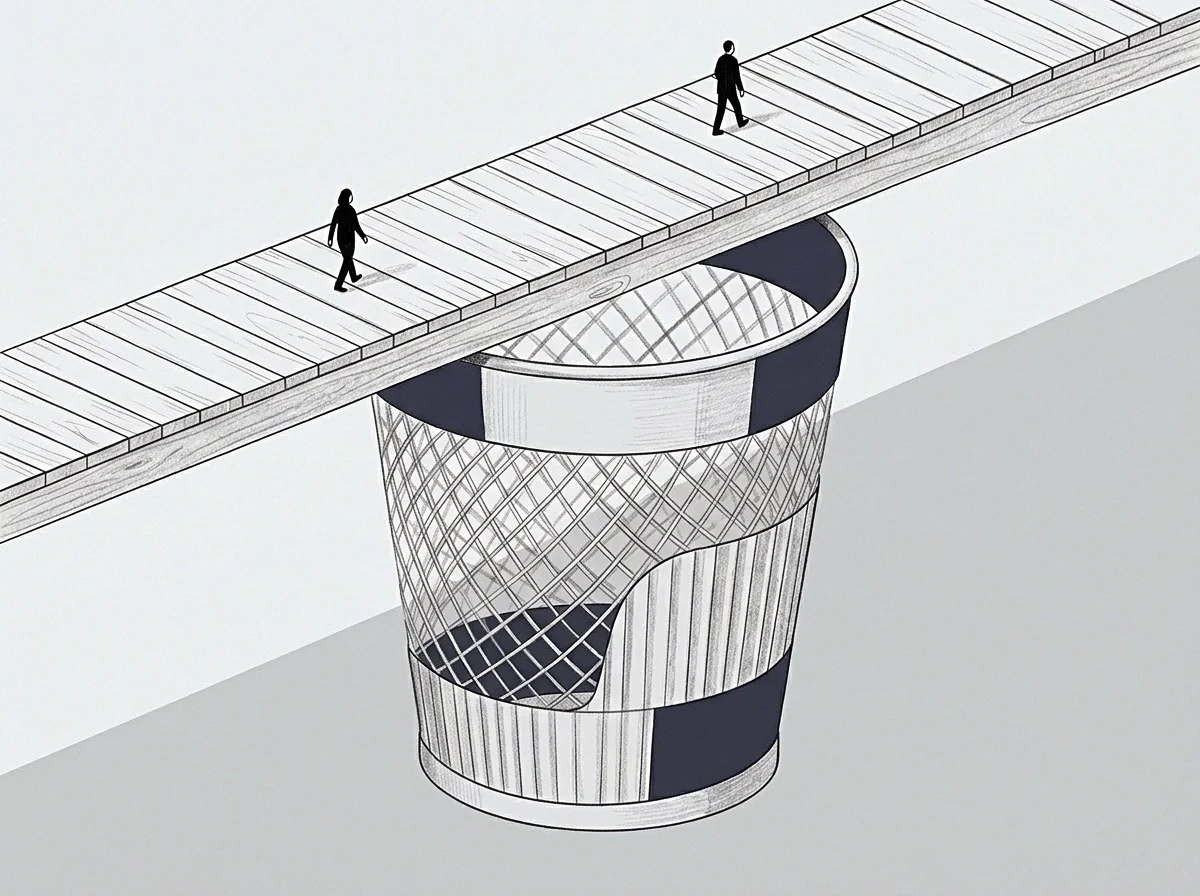
When does continuous load shift from throttling to systemic wear?
Transition from protective throttling to structural wear occurs when recovery intervals no longer clear accumulated physiological markers. Allostatic overload manifests as persistent baseline elevation of stress hormones, disrupted sleep architecture, and impaired executive functioning during non-peak windows. At this stage, performance drops extend from novel inputs into established routine operations.
The count stays fixed.
Observable latency in routine decisions precedes emotional awareness of system overload.
Objective metrics provide early indication of capacity saturation. Increases in decision latency, rising error rates in routine workflows, and extended recovery requirements signal that the system has reached its operational ceiling. Relying on self-reporting masks these indicators until performance failure occurs.
Tracking output delay across routine tasks identifies capacity ceilings earlier than self-reported assessment.

Drain
Long-term stability under heavy demand relies on systematic load shedding rather than increased personal effort. When operational input consistently exceeds system capacity, relying on individual willpower accelerates structural exhaustion. Sustainable operation requires structural mechanisms that automatically drop or redirect lower-priority demands when load thresholds are breached.
Pressure alters latency.
Load shedding mechanisms must operate automatically based on objective metric triggers rather than discretionary human intervention. Discretionary shedding fails under peak load because evaluating what to drop consumes active processing capacity. Automated shedding rules shed low-priority inputs immediately upon reaching concurrency limits.
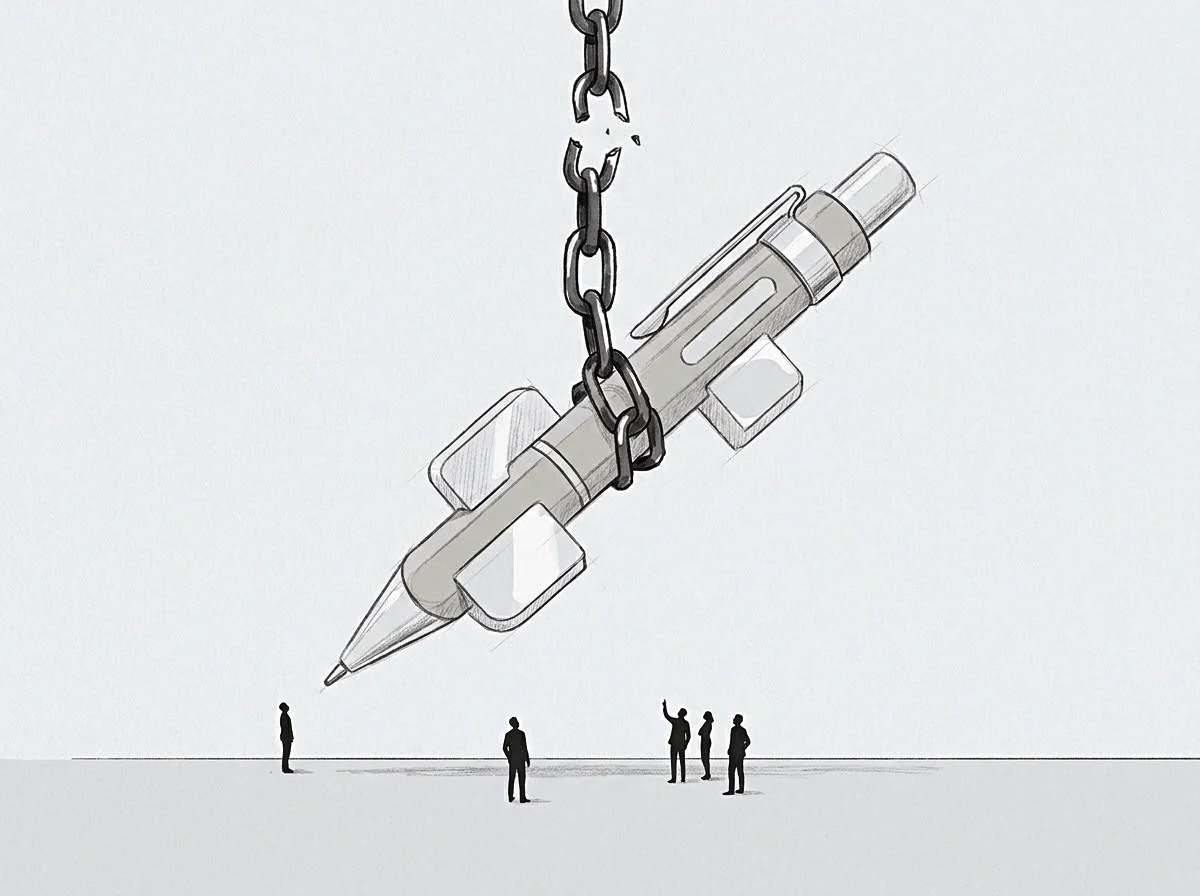
Structural Load Shedding Mechanics
Implementing effective load shedding requires classifying operational inputs by critical priority and defining explicit drop rules. Non-critical communications, exploratory projects, and optional reporting functions are designated for immediate suspension when main channel load crosses predefined thresholds. This preserves core capacity for high-priority execution vectors.
Unbounded work consumes headroom.
Systemic resilience increases when recovery parameters are integrated directly into operational architecture. Mandatory quiet windows, hard concurrency caps, and explicit handoff protocols prevent continuous load from eroding baseline capacity. Protecting these structural boundaries ensures long-term operational viability across demanding environments.
Allocation precedes execution.
The track remains active.
Whether an organization can restructure operational gates before sustained high load causes irreversible loss of key personnel remains an open structural challenge.