
Measuring The Long Term Recovery Capacity Of Systems Subjected To Chronic Relational Throttling
Chronic relational throttling sustains autonomic vigilance, depleting systemic recovery capacity until explicit structural gates halt interpersonal leakage.
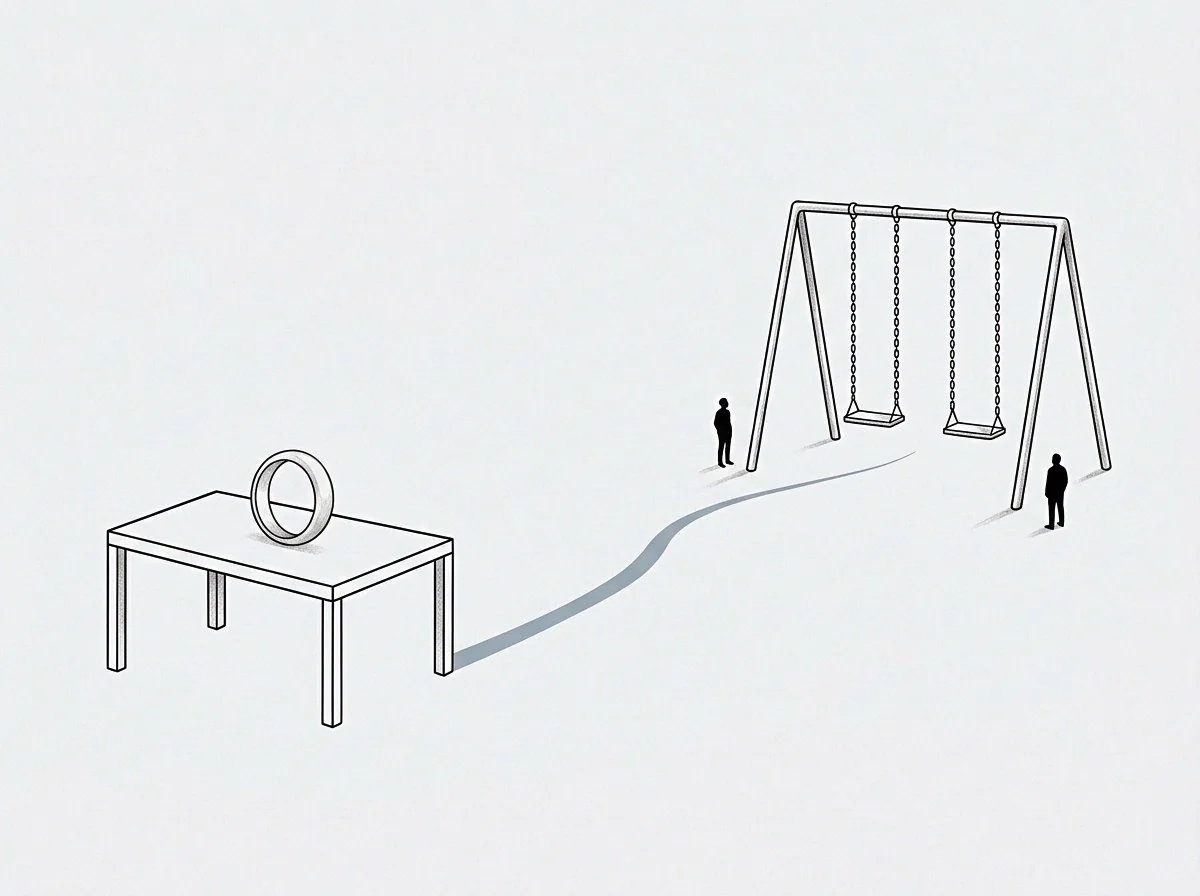
Lag
The screen stays lit at eleven at night while four incoming conversations wait for answers that cannot be shortened. A counterpart expects immediate validation before tomorrow morning, an investor queries run rates with implied urgency, and an operator asks for reassurance about staffing tensions. The person in the seat feels their stomach tighten with every chime.
They type measured replies that soothe each sender, yet their own baseline respiration remains shallow for hours afterward. Recovery latency tracks continuous demand.
Chronic relational throttling occurs when an individual operates within interpersonal arrangements that systematically penalize autonomous pacing. The environment demands unbroken interpersonal attunement while offering zero structural containment. Unlike acute conflict, sustained relational compression forces the nervous system to maintain elevated sympathetic activation simply to prevent social rupture.
The physiological machinery cannot downregulate because the relational environment treats an unreturned message or an unbuffered emotional reaction as an operational defection.
A regulatory apparatus held in continuous social containment exhibits prolonged physiological recovery times following minor external stressors.
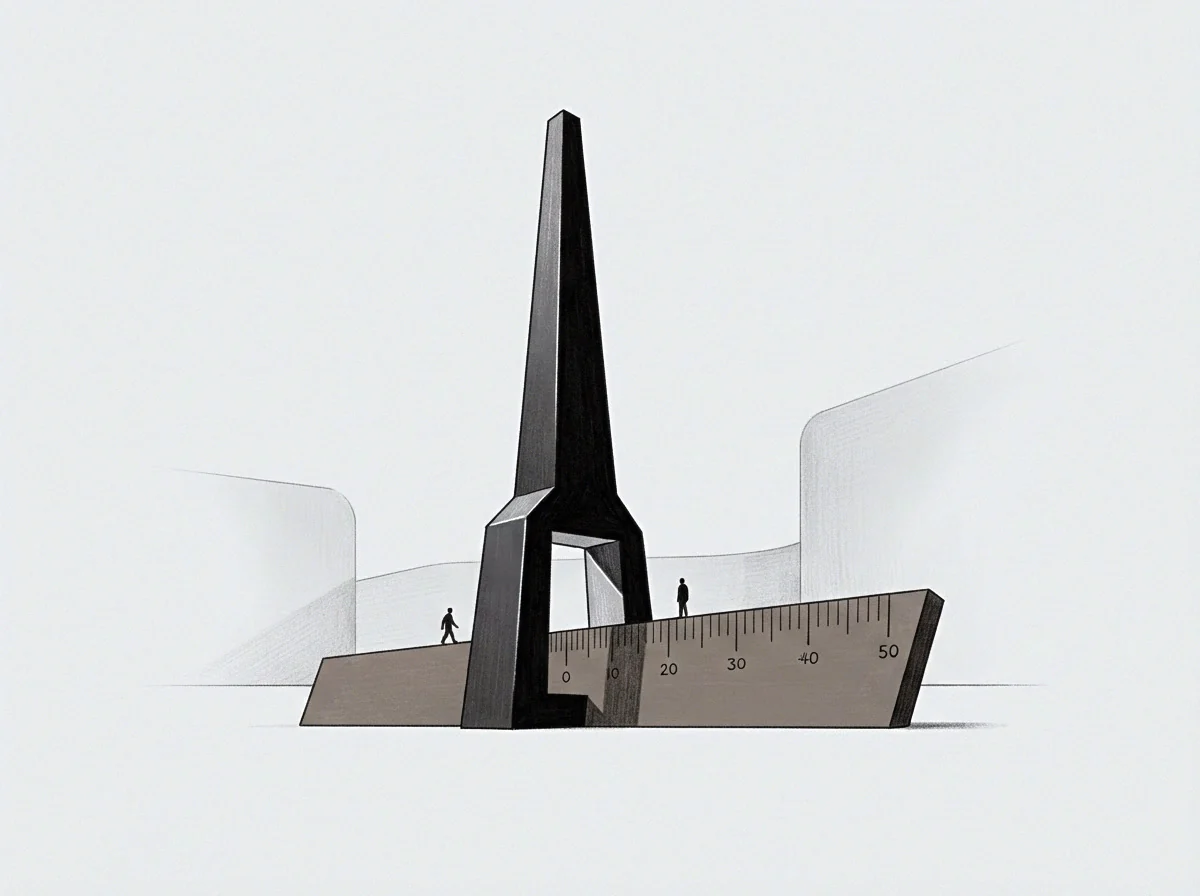
Baseline Dissipation Across Extended Rest Intervals
When an operating system faces relentless interpersonal monitoring, autonomic recovery times elongate. In healthy operating conditions, parasympathetic reactivation occurs within twenty to forty minutes following the termination of an acute challenge, as measured by high-frequency heart rate variability and vagal tone restoration. Under continuous interpersonal suppression, this parasympathetic rebound flattens.
The system remains locked in low-grade vigilance, keeping cortisol production elevated through late evening cycles. Sleep architecture deteriorates under unbroken surveillance.
Extended time off fails to clear this specific form of strain. A person subjected to constant interpersonal damping can spend forty-eight hours in complete physical isolation yet experience zero measurable expansion in cognitive headroom. The relational loops remain active in working memory, consuming energetic reserves through ongoing mental rehearsal of anticipated confrontations.
The physiological cost accumulates silently behind a facade of competent execution. Rest intervals reveal hidden friction.
Autonomic recovery capacity is measured through the speed at which heart rate variability returns to baseline following an interpersonal interruption. In an unencumbered operator, the root mean square of successive differences between normal heartbeats rebounds promptly once an interaction concludes. In a suppressed operator, this metric stays depressed for hours, indicating that the vagal brake remains inhibited long after the counterpart exits the room.
Suppression operates without systemic consent.
The longer the suppression continues, the wider the gap becomes between observable output and internal energetic reserve.
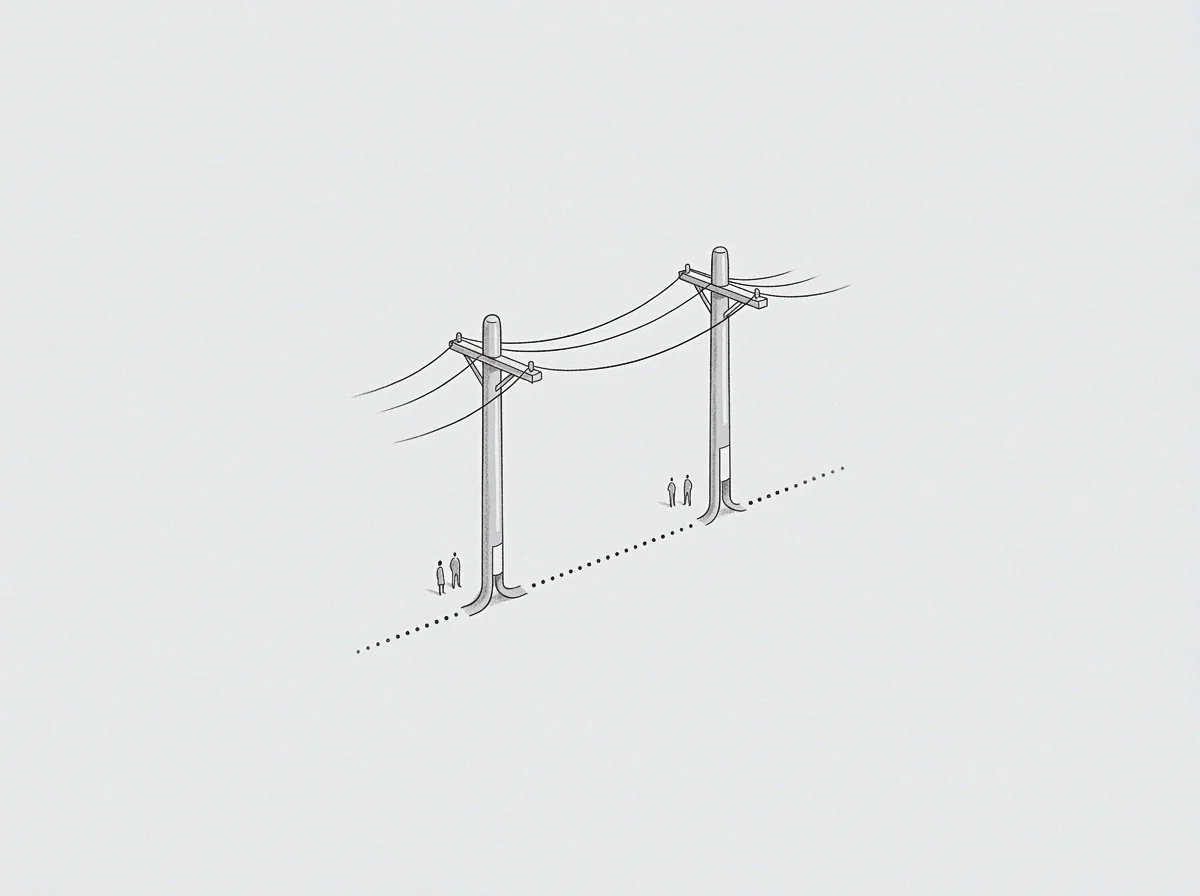
Beam
Structural members support weight until their internal material fatigue crosses an unobservable threshold. In human systems, allostatic load documents the cumulative wear resulting from recurrent neuroendocrine adaptations to chronic social demand. The organism maintains stability through active systemic change, raising baseline blood pressure, elevating inflammatory cytokines, and altering metabolic distribution.
These biological compromises protect the immediate working alliance at the expense of long-term organic integrity. Sustained suppression alters baseline autonomic tone.

Somatic Signatures Of Suppressed Capacity
Biological indicators expose the degree to which an individual has lost resilience under sustained relational strain. These markers deviate predictably as regulatory capacity erodes:
- Vagal efficiency drops below normative thresholds, preventing the heart from decelerating rapidly following an emotionally fraught exchange.
- Nocturnal cortisol clearance stalls during deep sleep phases, leaving systemic inflammation elevated when morning operational duties commence.
- Pupillary dilation latency slows during unexpected task switches, signaling central executive exhaustion in prefrontal circuits.
- Salivary alpha amylase spikes prematurely under minimal relational ambiguity, reflecting sympathetic hyperreactivity bred by months of relentless appeasement.
Cardiovascular tone reflects cumulative strain. When relational pacing is consistently dictated by volatile external actors, the operator experiences micro-arousals throughout the workday. Each unannounced interruption, vague status request, or covert emotional demand forces an instantaneous realignment of attention.
Over eighteen months, this dynamic damages arterial elasticity and suppresses cellular immune responses. Quiet evenings fail to restore capacity.
A biological system operating under uninterrupted relational surveillance converts flexible adaptive reserves into rigid compensatory survival patterns.
The system adapts by downscaling discretionary cognition. Complex synthesis, deliberate risk modeling, and strategic divergence require unallocated metabolic headroom. Relational throttling consumes that headroom, leaving only enough bandwidth for immediate compliance and tactical firefighting.
The person appears fully functional because standard tasks continue without error, but their capacity to absorb novel operational volatility shrinks to zero.
Misreading this state as ordinary occupational fatigue causes leaders to prescribe solitary rest intervals, which leave the underlying interpersonal friction intact and accelerate physiological breakdown.

Draft
Airflow through a furnace determines how rapidly fuel burns. Relational arrangements function similarly, pulling energetic output from an operator based on structural permissions. An open operating loop acts like an unmetered intake valve, forcing the system to expend energy anticipating external inputs.
Gated operating circuits, by contrast, define exact conditions under which relational energy is exchanged. Every open loop claims attention.

Where Relational Suppression Depletes System Latency?
Systemic throughput collapses when interpersonal demands lack explicit operational boundaries. When a founder or key executive enters an arrangement governed by covert emotional expectations, the cost of processing each interaction multiplies exponentially. The table below outlines how specific relational protocols govern internal capacity expenditure across distinct operating environments.
| Structural Variable | Throttled Operating Context | Gated Autonomous Context |
|---|---|---|
| Response Pacing | Immediate reply expected; delay treated as disloyalty | Asynchronous reply standard; batched intervals enforced |
| Loop Governance | Open-ended emotional checking; continuous availability | Bounded deliverables; clear criteria for completion |
| Cognitive Overhead | Preemptive mental rehearsal of partner reactions | Direct task execution without interpersonal mitigation |
| Autonomic Trajectory | Sustained sympathetic vigilance into night cycles | Rapid parasympathetic reset after structured meetings |
The comparative data reveals the hidden metabolic price of relational ambiguity. While the actual volume of written work may remain identical across both operating contexts, the throttled system burns roughly three times the physiological reserve simply managing interpersonal friction. Unspoken demands consume baseline capacity.
The human processor spends vast cognitive bandwidth decoding tone, buffering counterparty anxieties, and calibrating self-expression to prevent interpersonal crises.
Open operational loops impose a continuous cognitive surcharge that erodes reserves long before formal production deadlines arrive.
A founder in a poorly defined partnership inevitably burns out faster than an isolated executive carrying equivalent market risks. The market is indifferent, while the insecure partner is volatile, unpredictable, and insatiable. Managing volatility in an adjacent seat consumes the precise executive faculties needed to steer the enterprise through external turbulence.
He mentioned that a real partner should always be accessible whenever an urgent idea strikes.

Margin
Clear space around text makes the page legible. Systemic headroom serves the identical function for human operations, providing unallocated bandwidth to absorb shocks and recalibrate strategy. Rebuilding long-term recovery capacity requires the rigorous restoration of this operational buffer.
When an executive experiences chronic relational throttling, recovery cannot occur through passive leisure. It demands the aggressive reconfiguration of communication architecture. Unbounded loops drain metabolic reserves.

Structural Gating Of Interpersonal Inquiries
Restoring capacity requires transforming ambiguous emotional lines into bounded, asynchronous circuits. The operator executes this transition through explicit operational gates:
- Channel segregation isolates operational inquiries into dedicated software platforms, removing interpersonal chatter from emergency SMS or phone streams.
- Latency establishment introduces deliberate, predictable delays between incoming requests and substantive executive answers, dismantling the precedent of instant appeasement.
- Scope containment restricts conversations strictly to stated operational metrics, refusing to absorb or process adjacent emotional subtext.
- Terminal criteria definition ensures that every initiated project possesses explicit completion parameters, preventing indefinite iterative obligations.
Gated intervals restore peripheral circulation. When the operator enforces structural boundaries, the nervous system finally receives unambiguous safety signals. The baseline heart rate slows, digestive efficiency normalizes, and restorative slow-wave sleep resumes.
The capacity to innovate returns only after the threat of constant relational intrusion is definitively extinguished. Structural limits preserve operational endurance.
The move alters the operational contract entirely. A counterparty accustomed to unmetered access will inevitably push against new structural dams, interpreting healthy latency as personal hostility. Holding the boundary through this friction is the sole path toward biological restitution.
The system regains elasticity, expanding the distance between environmental demand and internal operational collapse.
A formal SLA clause defining four-hour response windows for non-critical queries changes an unbounded emotional drain into a manageable operational queue.