Meaning
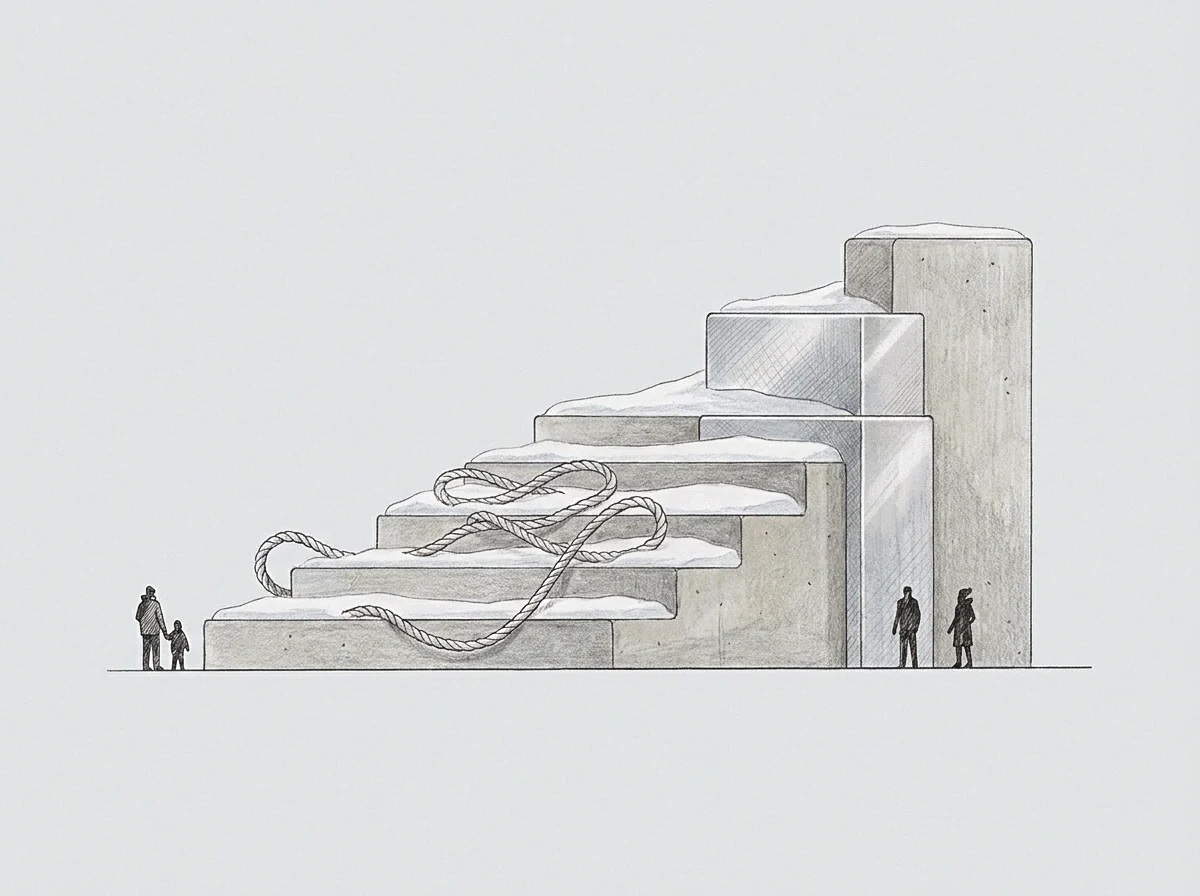
An intense physiological shift toward restorative biological processes following a prolonged period of high sympathetic nervous system activation denotes the body’s attempt to restore homeostasis. During parasympathetic rebound, the systems that were suppressed during a crisis, such as digestion and deep sleep, become hyperactive. This state often appears as sudden and overwhelming lethargy or a total loss of drive.
Biological Correction
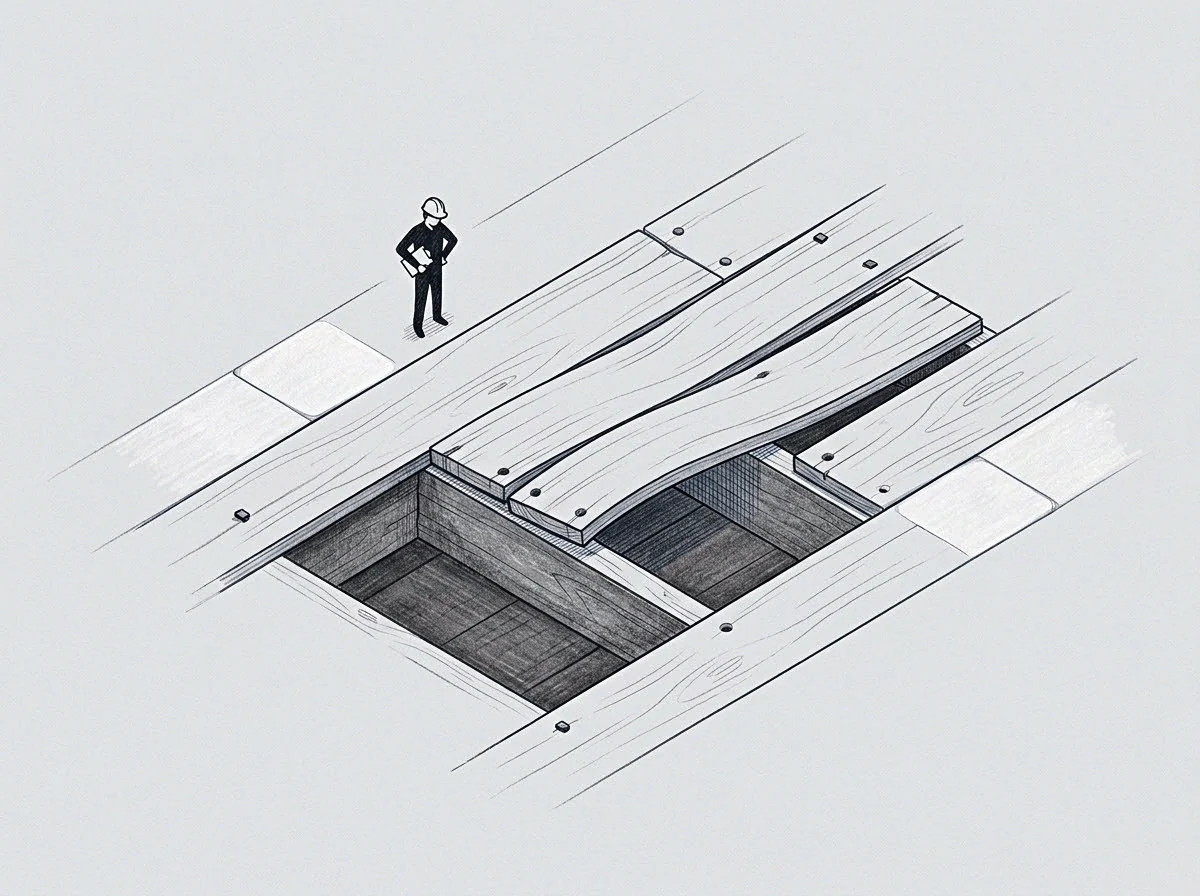
The body forces a period of inactivity to repair the damage caused by chronic stress. While parasympathetic rebound is occurring, the individual may find it impossible to maintain a normal work schedule or engage in social activities. This phase is an involuntary regulation of energy that cannot be overridden by willpower.
The cost is a total loss of operational capacity for a period of days or weeks.
Recovery Load
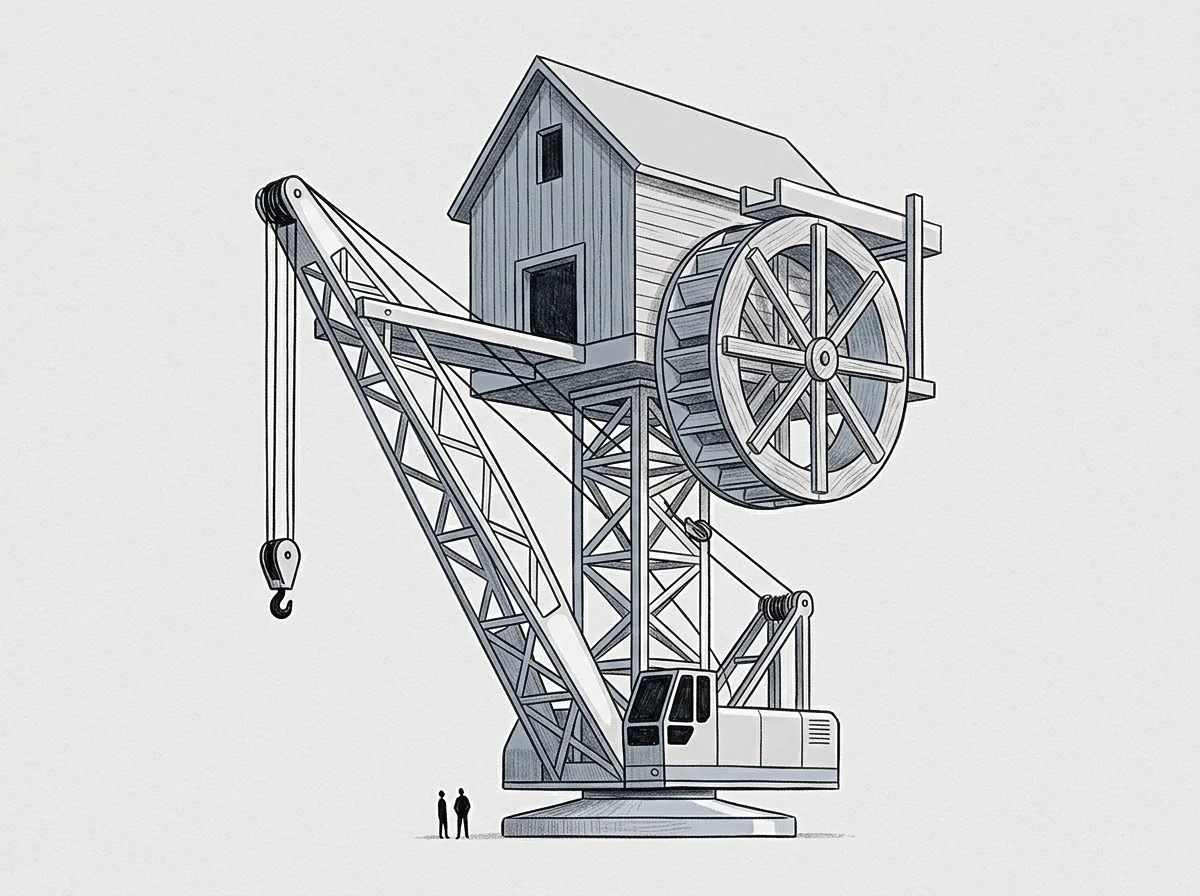
Managing the transition back to a neutral state requires a careful titration of activity. Because parasympathetic rebound is a deep physiological reset, attempting to resume high pressure work too early can trigger a secondary crash. The regulatory cost is the time spent in a state of semi functional withdrawal.
Efficiency is sacrificed to ensure the long term survival of the organism.
Temporal Boundary
The rebound phase ends once the sympathetic and parasympathetic systems return to a balanced state of reactivity. Normal function resumes only after the biological debt is settled.