Meaning
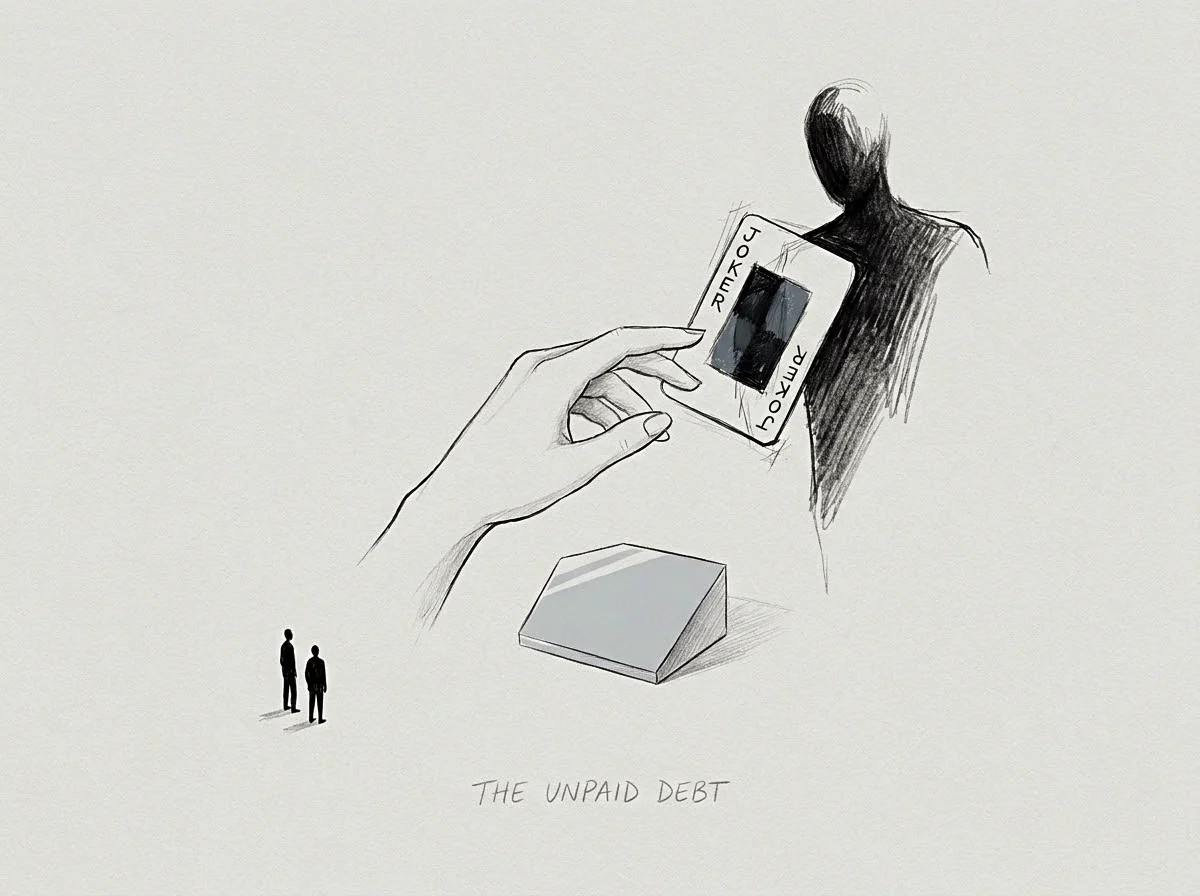
A legal doctrine separates the liabilities of a business entity from the personal assets of its founders and shareholders. This protective barrier, known as the corporate veil, ensures that personal wealth is shielded from corporate creditors. The separation remains intact as long as the corporation maintains distinct financial and operational boundaries.
Legal Protection
Shareholders risk only the capital they have invested in the business. Maintaining the corporate veil ensures that lawsuits or debts incurred by the entity do not threaten the homes or personal savings of its leaders. This protection allows for calculated entrepreneurial risk-taking without the threat of personal ruin.
Piercing Mechanism
Courts can ignore this separation if they find evidence of fraud or severe commingling of personal and business funds. When a court decides to pierce the corporate veil, the individual founders become personally liable for the debts of the business. This intervention typically occurs when corporate formalities, such as holding meetings and keeping separate bank accounts, are ignored.
Without distinct boundaries, the business is treated as a mere alter ego of the individual.
Asset Shielding
Proper corporate governance is the primary method for maintaining this legal boundary. Founders must document all transactions and ensure that the business holds sufficient capital to meet its expected obligations. Neglecting these procedures weakens the liability shield and exposes personal resources.