
Resolving Biological Tissue Saturation Limits When Enterprise Volatility Threatens Irreversible Commercial Insolvency
Executive biological tissue saturation during commercial crisis is resolved by gating open cognitive threads to protect neurochemical headroom.

Pulse
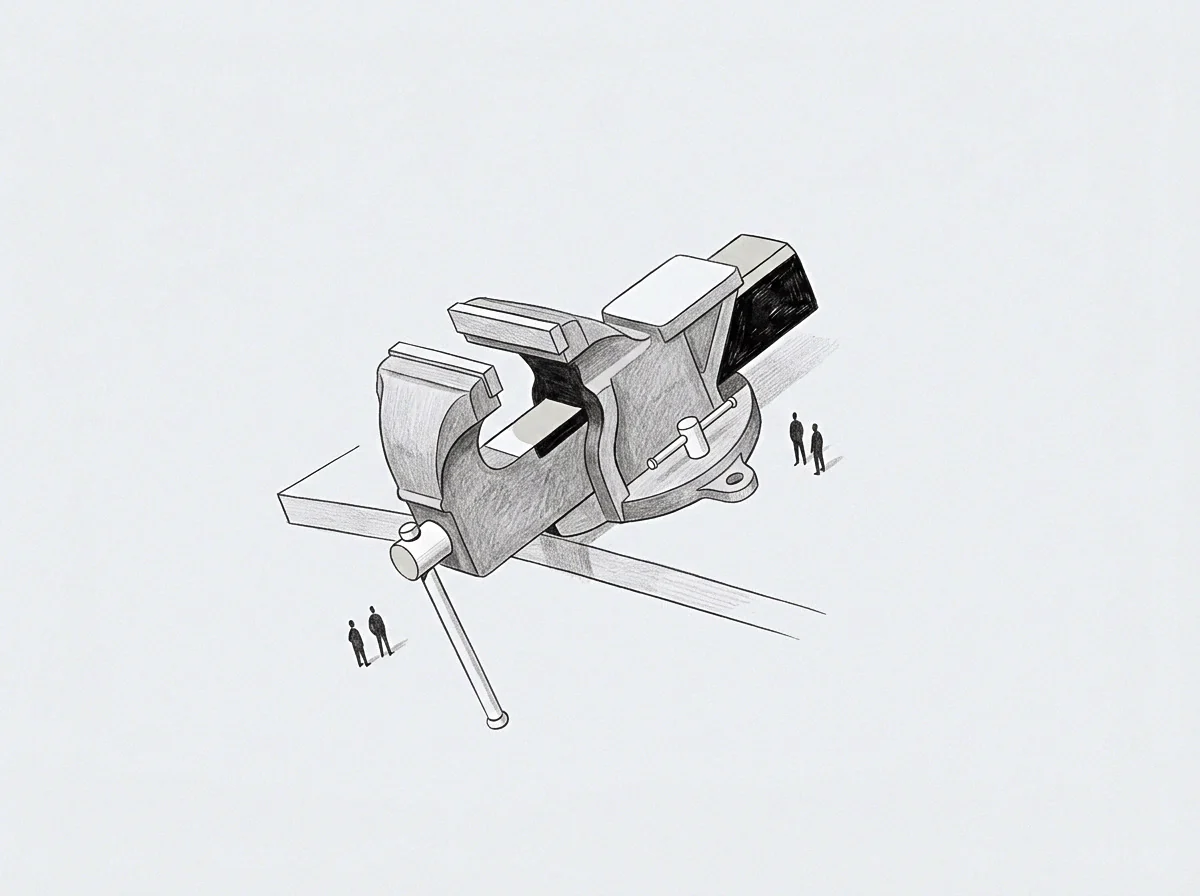
As insolvency approaches, operational pressure shifts directly onto an executive’s neuroendocrine system. Tissue saturation sets in once sympathoadrenal arousal and glucocorticoid receptor activation hit physical thresholds in the prefrontal cortex, forcing the brain into a defensive state.

Biological Limits Under Enterprise Volatility
Acute financial distress locks leadership into persistent hyper-vigilance. Sympathoadrenal activation drives epinephrine, norepinephrine, and cortisol through peripheral and central pathways, and prolonged exposure downregulates corticosteroid receptors. Over time, continuous glucocorticoid exposure strips synaptic density from prefrontal networks, degrading working memory and executive capacity.
Corporate crises dump heavy streams of ambiguous, consequential information onto leadership. Creditor talks, restructuring plans, and strategic trade-offs all run through the prefrontal cortex under firm metabolic limits. When cognitive demands outrun neurochemical recovery, the tissue saturates.
Beyond that point, incoming information produces diminishing analytical returns and heightened threat sensitivity.
Tissue saturation occurs when incoming regulatory demands exceed metabolic headroom regardless of psychological intent.

Neuroendocrine Saturation Mechanisms
Autonomic function depends on the balance between sympathetic drive and parasympathetic vagal tone. A protracted insolvency threat breaks this balance by keeping sympathetic drive continuously engaged. Without the vagal brake, metabolic recovery fails during sleep cycles.
Prolonged allostatic load erodes the quality of executive decisions. Prefrontal networks begin prioritizing immediate threat reduction, trading durable commercial value for immediate physiological relief. At that stage, crisis management ceases to be deliberate strategy and becomes a survival response shaped by chemistry.
Ignoring biological thresholds turns recoverable balance-sheet distress into lasting biological damage.
Gland
Adrenal glucocorticoid production follows circadian rhythms set by the hypothalamic-pituitary-adrenal axis. Protracted business instability flattens that cortisol curve, driving systemic inflammation and cellular fatigue. Sustained executive performance depends on metabolic headroom, not sheer cognitive endurance.

Endocrine Pathways and Volatility Processing
Take an executive managing a distressed debt restructuring of forty million dollars across a ninety-day window. If communication channels stay open around the clock, stress signals arrive without interruption, keeping autonomic arousal elevated through day and night.
Structural firewalls change that exposure by batching volatile updates from counterparties into set daily windows. Restricting the flow of acute signals allows parasympathetic recovery outside working hours, protecting basal cortisol sensitivity and working memory.
| Regime Parameter | Continuous Unbounded Availability | Synchronized Gated Batching |
|---|---|---|
| Autonomic Baseline | Continuous elevated sympathetic tone with suppressed vagal recovery | Intermittent sympathetic spikes with restored nighttime parasympathetic recovery |
| Cognitive Switching Cost | High continuous drain across unstructured ungated communication channels | Bounded switching cost isolated to designated operational slots |
| Prefrontal Capacity | Rapid tissue saturation leading to reactive decision errors | Sustained working memory capacity for strategic evaluation |
Endocrine saturation distorts how leaders evaluate risk during high-stakes talks. Depleted prefrontal networks cannot reliably assess probabilistic trade-offs, pushing operators toward erratic concessions or outright paralysis.
Autonomic recovery halts when pending volatile outcomes remain ungated across night cycles.
The pressure from an enterprise tends to demand unceasing availability until capital arrangements are finalized.

Throttle
Throttling is a protective response that shields neural tissue from lasting cellular wear. When incoming demands overwhelm prefrontal capacity, biological systems scale back operational throughput. What looks like executive disengagement or delayed response is often an adaptive mechanism preserving basic metabolic integrity.
Concurrency Limits in High-Volatility Environments
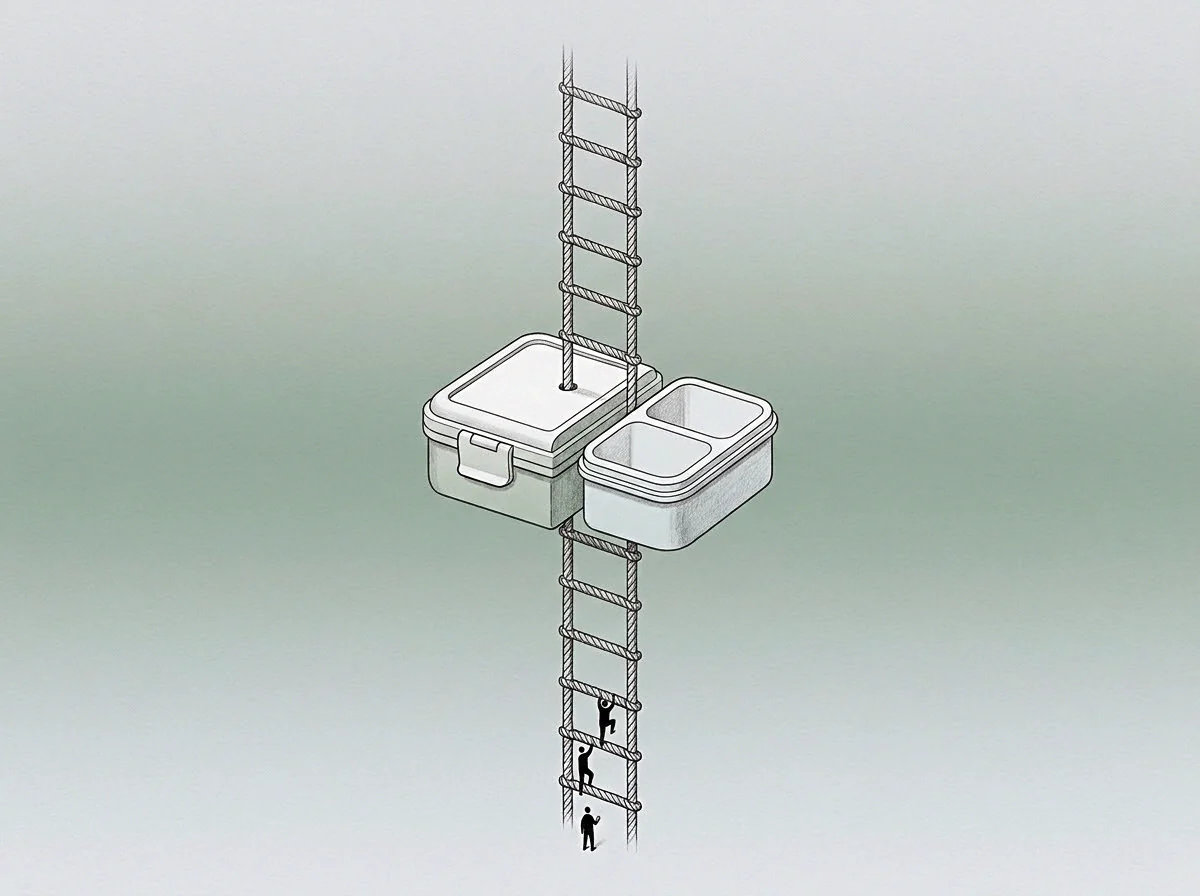
The prefrontal cortex operates under a hard concurrency limit. Volatile corporate conditions generate hundreds of open regulatory loops, and each uncontained issue occupies a working memory slot, burning physiological headroom whether any action is taken or not.
Gating these loops lowers baseline metabolic expenditure. Every active operational issue needs an explicit scope, fixed calendar boundaries, and clear criteria for closure to prevent continuous neurochemical drain.
- Open debt renegotiation loops consume working memory continuously when resolution dates are left open.
- Unfiltered board query streams overwhelm executive communication channels, eliminating the headroom required for deep analytical work.
- Uncertain payroll obligations sustain elevated autonomic tone whenever cash forecasts lack explicit daily boundaries.
Managing capacity requires strict accounting of available attention slots. Capping open operational threads protects the neurochemical reserves needed for survival-level business decisions.
A thread lacking an explicit resolution date claims a permanent slot in executive working memory.
Writing a forty-eight-hour pause into crisis governance protocols gives prefrontal networks time to recover execution capacity.

Headroom
Physiological headroom is the reserve metabolic capacity an executive has left to absorb unexpected commercial shocks. Restoring that buffer during severe distress requires hard boundaries around cognitive availability.

How Does Biological Saturation Alter Decision Thresholds?
Saturated neural tissue compresses operational planning horizons. Cognitive processing retreats from long-term strategic calculation toward immediate threat suppression. As evaluation thresholds drop, leadership accepts premature compromises and misprices structural risk.
Preserving prefrontal capacity requires proxy filtering and operational co-regulation. Restructuring team members intercept, sort, and synthesize volatile incoming data before passing concise summaries to executive leadership.
- Establish communication proxies to screen and sort counterparty traffic.
- Turn open-ended debates into binary decisions with clear expiration timestamps.
- Enforce daily recovery windows to prevent total adrenal depletion.
Co-regulation distributes autonomic strain across a leadership team. When trusted operating partners carry parts of the baseline regulatory burden, primary decision-makers can maintain stability through severe commercial turbulence.
Unfiltered crisis communications consume physiological headroom faster than operational missteps.
Whether corporate boards can adapt governance practices to respect biological concurrency limits remains an open question.

Clock
Commercial volatility shrinks the perceived time horizon in executive neurobiology. Under the immediate threat of insolvency, neuroendocrine circuits instinctively favor short-term survival over multi-year enterprise value. Guarding physiological tissue capacity is what allows an executive to retain the analytical depth needed for complex restructuring under pressure.
Disciplined gating of incoming communication buffers endocrine and prefrontal pathways against systemic exhaustion. Protecting this biological headroom is a prerequisite for executing any solvent workout during corporate crisis.