
Somatic recovery patterns following departure from executive seats
Executive departure triggers a somatic lag where sympathetic arousal stays elevated despite calendar clearance until unclosed cognitive threads close.
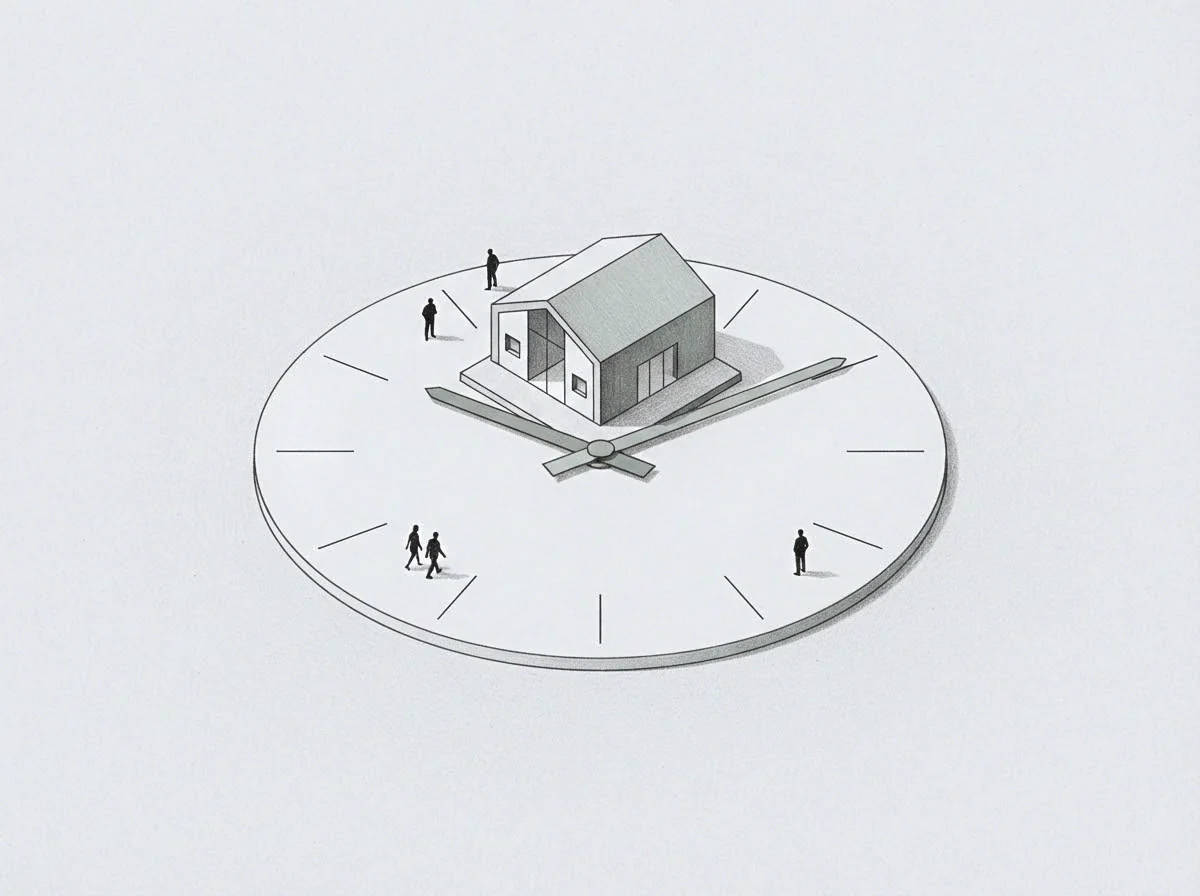
Headroom
The operational calendar clears completely within forty-eight hours of resigning an executive post, yet the biological system continues to run as if high-stakes decisions remain pending. The pulse stays high. Heart rate variability remains depressed, salivary cortisol levels peak before dawn, and muscle tone across the neck and upper back retains the bracing posture of acute crisis management.
Executives who step away from founding roles or chief officer seats frequently anticipate immediate physical relief. Instead, the physiological apparatus enters a phase of persistent hyperarousal. The removal of exogenous operational demand exposes an internal regulatory system that has lost the capacity to downshift automatically.
The removal of external demand leaves the bodily alarm system operating without an immediate object.
Allostatic load represents the cumulative biological wear accumulated through years of continuous regulatory adaptation. In an executive seat, this load is sustained by constant context-switching, public accountability, and unquantified organizational risk. The body adapts to this environment by elevating baseline sympathetic nervous system tone, upregulating inflammatory cytokines, and altering diurnal adrenal output.
When the seat is vacated, the external triggers vanish, but the metabolic and neuroendocrine adaptations remain active. The system continues to produce catecholamines at rates calibrated for high-concurrency problem-solving.
The seat empties. The calendar drops. The body retains load.
Latency in Autonomic Tone Recalibration
Physiological systems operate on biological decay curves rather than structural transitions. Research in stress physiology confirms that neuroendocrine normalization following chronic high-demand exposure follows a non-linear timeline ranging from three to eighteen months. During active tenure, high sympathetic drive masks underlying systemic exhaustion through continuous secretion of cortisol and epinephrine.
Upon departure, this endocrine stimulation tapers faster than the parasympathetic nervous system can restore its dampening control over cardiac and metabolic functions. The resulting imbalance generates unexplained physical symptoms, including middle-of-the-night waking, muscle fasciculations, and sudden drops in blood pressure upon standing.
Mistaking lingering neuroendocrine hyperarousal for post-executive momentum leads straight to premature commitments that re-arm the regulatory apparatus before baseline reset occurs.

Ceiling
During extended executive tenure, the human organism adapts to operating near its absolute physiological boundary. This capacity threshold allows the individual to process dozens of open organizational loops concurrently while maintaining external composure. The internal baseline shifts: high blood pressure becomes the standard operational baseline, shallow thoracic breathing replaces diaphragmatic respiration, and gastrointestinal motility slows to prioritize cerebral perfusion.
The individual experiences this state as standard cognitive performance, unaware that metabolic reserves are completely depleted.

Why Does Autonomic Parasympathetic Tone Lag Behind Departure?
Somatic crash lag defines the period between organizational exit and physical collapse. When chronic sympathetic dominance terminates abruptly, the immune system launches a rebound inflammatory response within forty-eight hours. Pro-inflammatory cytokines, previously suppressed by circulating glucocorticoids, flood systemic circulation.
This shift produces acute fatigue, joint pain, and vulnerability to viral infections immediately following departure.
When chronic sympathetic dominance terminates abruptly, the immune system launches a rebound inflammatory response within forty-eight hours.
The transition between active executive administration and post-departure somatic recalibration follows distinct biological markers across measured timeframes.
| Phase | Autonomic State | Immune Profile | Sleep Architecture |
|---|---|---|---|
| Active Tenure | Sympathetic dominance, suppressed vagal tone, high heart rate | Suppressed systemic inflammation, elevated circulating cortisol | Shortened deep sleep stages, high night waking frequency |
| Early Exit (0–90 Days) | Autonomic instability, sudden heart rate drops, panic spikes | Rebound cytokine flare, acute systemic fatigue, joint stiffness | Fragmented sleep, vivid stress dreams, nocturnal sweating |
| Late Recalibration (>180 Days) | Gradual vagal rebound, stabilized heart rate variability | Normalized baseline cytokines, restored immune defense | Re-established slow-wave sleep cycles, reduced night waking |
Recovery follows a delay. Sleep remains fragmented. The body processes accumulated systemic strain only after the operational environment no longer demands continuous vigilance.
A somatic system resting after years at ceiling requires unbudgeted weeks where physical collapse is allowed to run its course without diagnostic intervention.
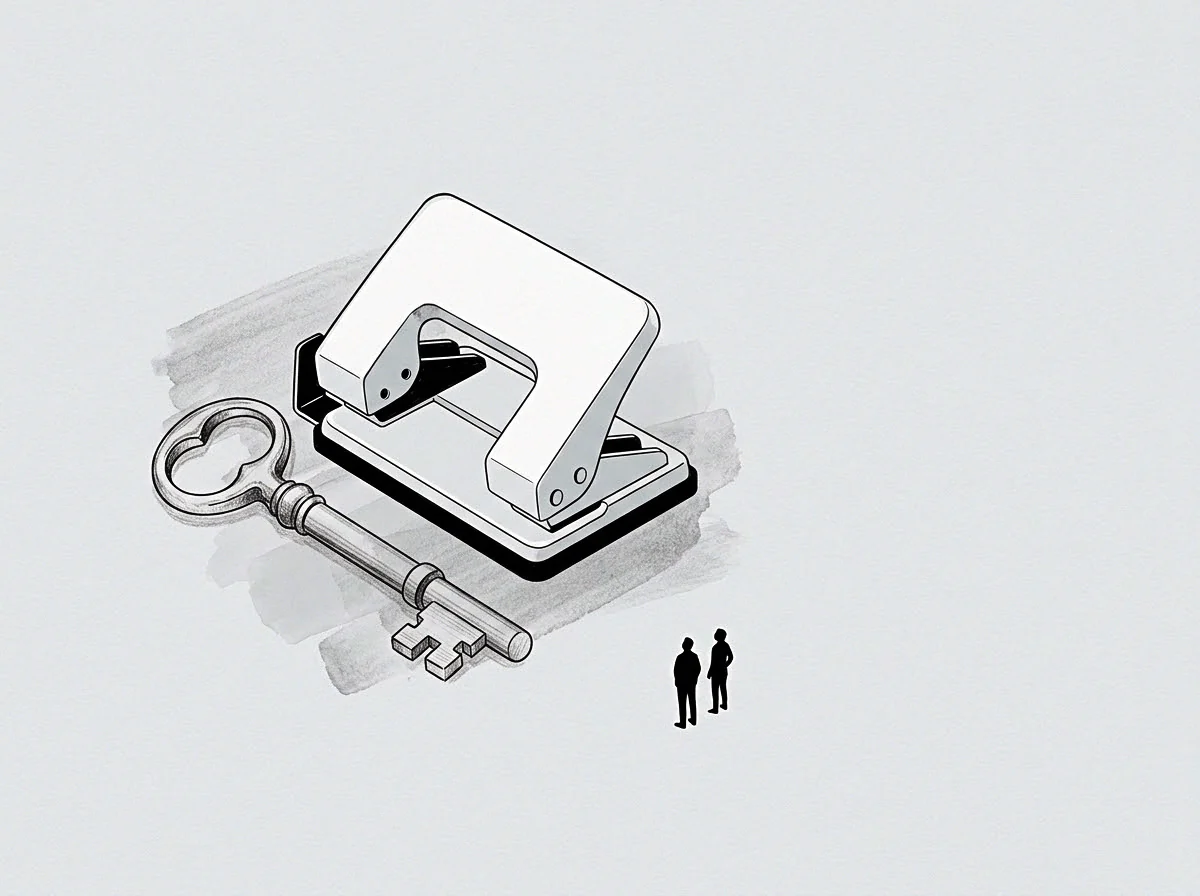
Clock
Biological rhythms dictate the timeline of somatic restoration following departure from corporate governance seats. The suprachiasmatic nucleus, which governs circadian cycles, experiences significant desynchronization after years of irregular work schedules, international travel, and late-night digital availability. Restoring synchronized diurnal patterns requires persistent environmental cues over extended periods.
The expectation of rapid physical recovery ignores the structural mechanics of endocrine decay and cellular repair.
A calendar cleared of meetings while holding unliquidated cognitive threads keeps nighttime cortisol levels identical to active executive tenure.

Diurnal Cortisol Flattening and Nighttime Arousal
Chronic executive stress alters the diurnal cortisol slope, blunting the morning cortisol awakening response and elevating evening glucocorticoid levels. This flattened profile correlates with metabolic dysfunction, executive cognitive fatigue, and impaired thermal regulation during sleep. Following departure, the evening cortisol elevation often persists because the brain continues to monitor unclosed operational loops, outstanding legal commitments, or financial uncertainties associated with the exit agreement.
Unclosed loops cost slots. The slots fill quickly.
Open Thread Gating as Physiological Preservation
Physical recovery requires transforming ungated cognitive loops into bounded terms. An open thread—such as an ongoing board dispute, pending equity liquidation, or informal advisory role—consumes metabolic capacity even when no active work is performed. Converting these loose commitments into explicit arrangements with fixed scope, specific dates, and defined terms releases somatic tension.
- Vagal suppression decay manifests as a gradual increase in resting heart rate variability once active operational liability terminates completely.
- Diurnal rhythm restoration requires consistent morning light exposure, total elimination of nocturnal work activity, and strict sleep timing.
- Somatization of unclosed loops presents as persistent trapezius tightness, gastrointestinal distress, and tension headaches during unstructured hours.
Tension concentrates in shoulders. The immune response spikes. The baseline moves slowly.
The formal closure of legal indemnification and governance liability marks the precise boundary where muscle tone around the upper spine relaxes.
Wire
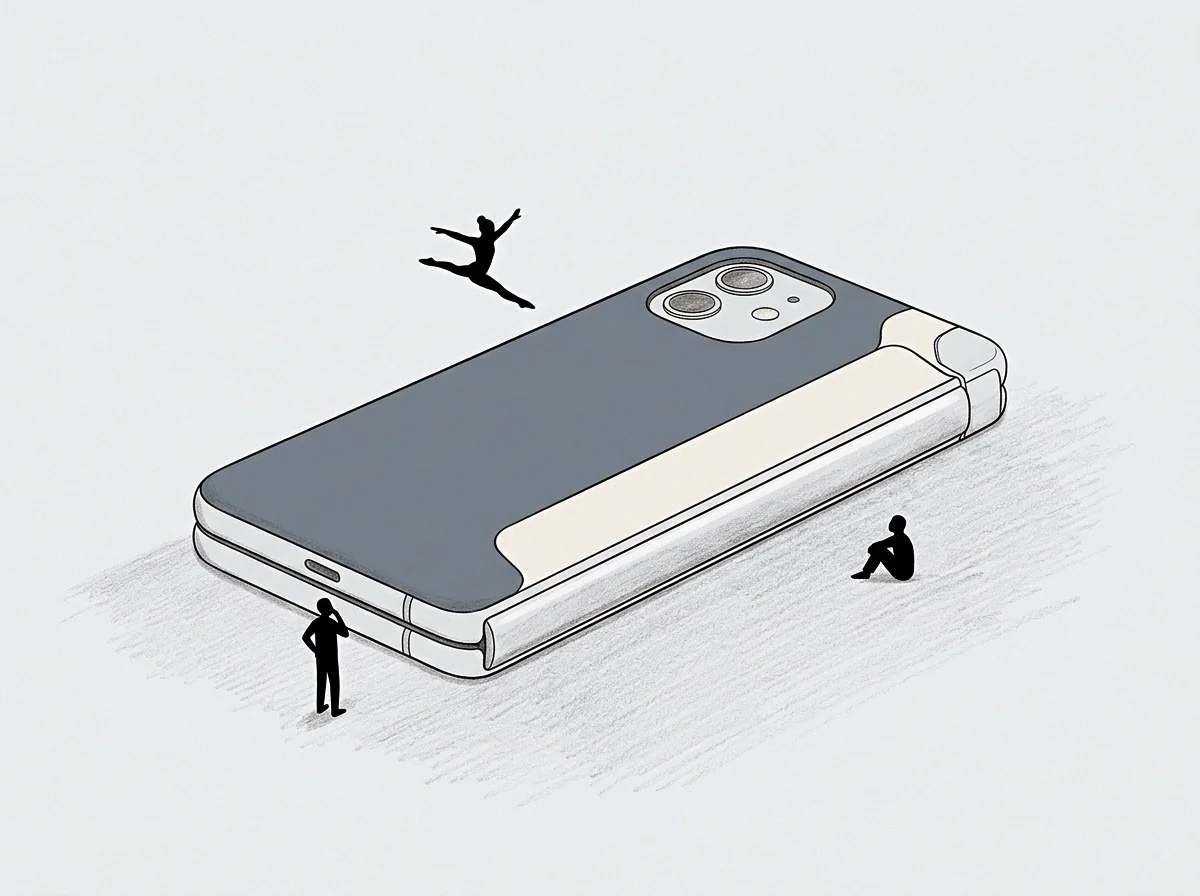
Executive roles provide an external organizational apparatus that acts as a coregulatory container. The administrative structure, executive team cadence, external advisors, and daily schedule absorb and distribute emotional and physiological stress. Stepping out of this seat abruptly removes this external container, leaving the individual entirely dependent on personal biological mechanisms to manage affect and autonomic stability.
Without the seat to structure the day, internal dysregulation becomes obvious.
Loss of Institutional Coregulation Structures
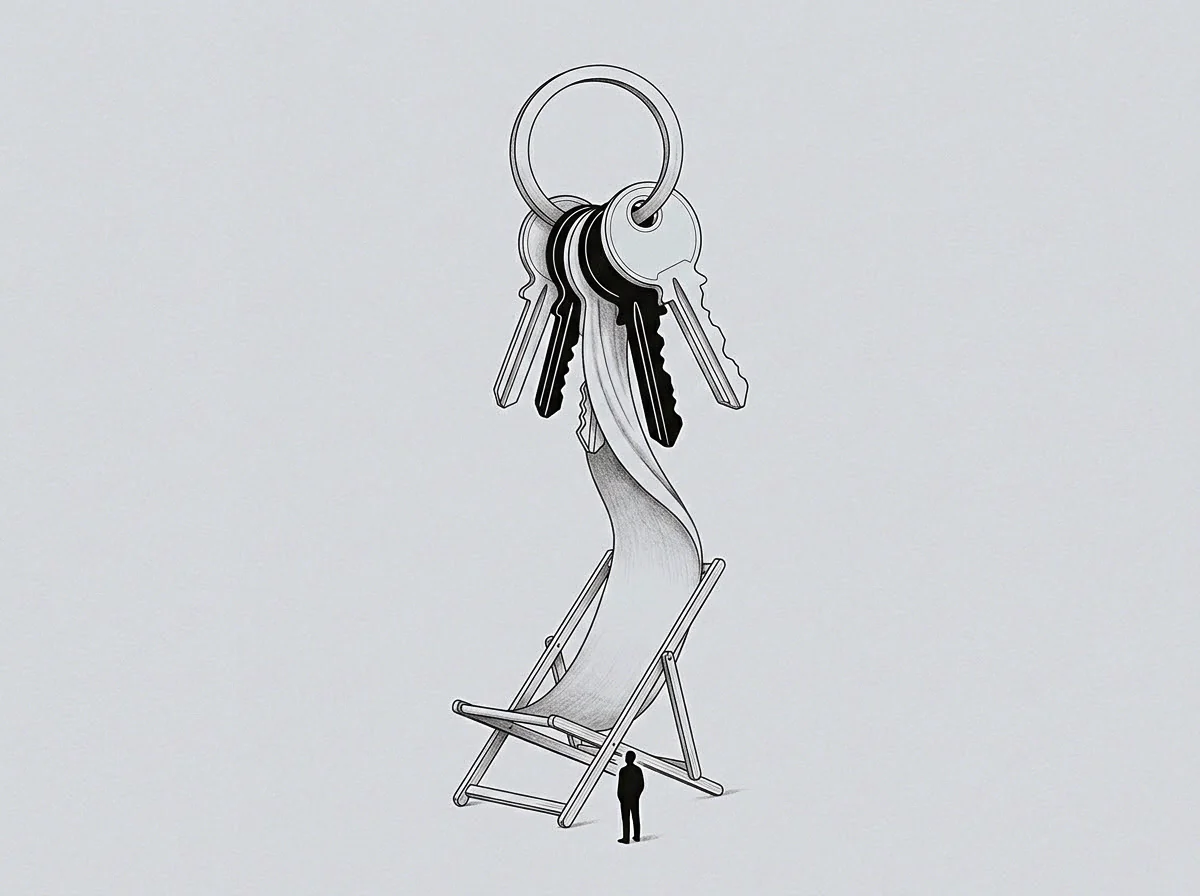
The systemic buffer provided by corporate infrastructure masks the true personal energy cost of high-stakes decision-making. Upon exit, the individual often attempts to import institutional expectations into domestic settings, creating friction with partners and family members who cannot function as operational stress buffers.
- The executive relies on structured operational cadence to absorb autonomic spikes during high-stakes decisions.
- The departure severs the environmental container, transferring the full burden of affect regulation back to individual biology.
- The individual attempts to substitute personal relationships for institutional buffers, overloading domestic systems.
- The body forces an involuntary pause through acute physical exhaustion when personal coregulation fails.
An environment built to absorb stress hides the true cost of regulation until the individual steps outside its perimeter.
Capacity recovers in stages.
The individual appears physically present at home, but their nervous system remains anchored in an executive office that no longer exists.
Floor
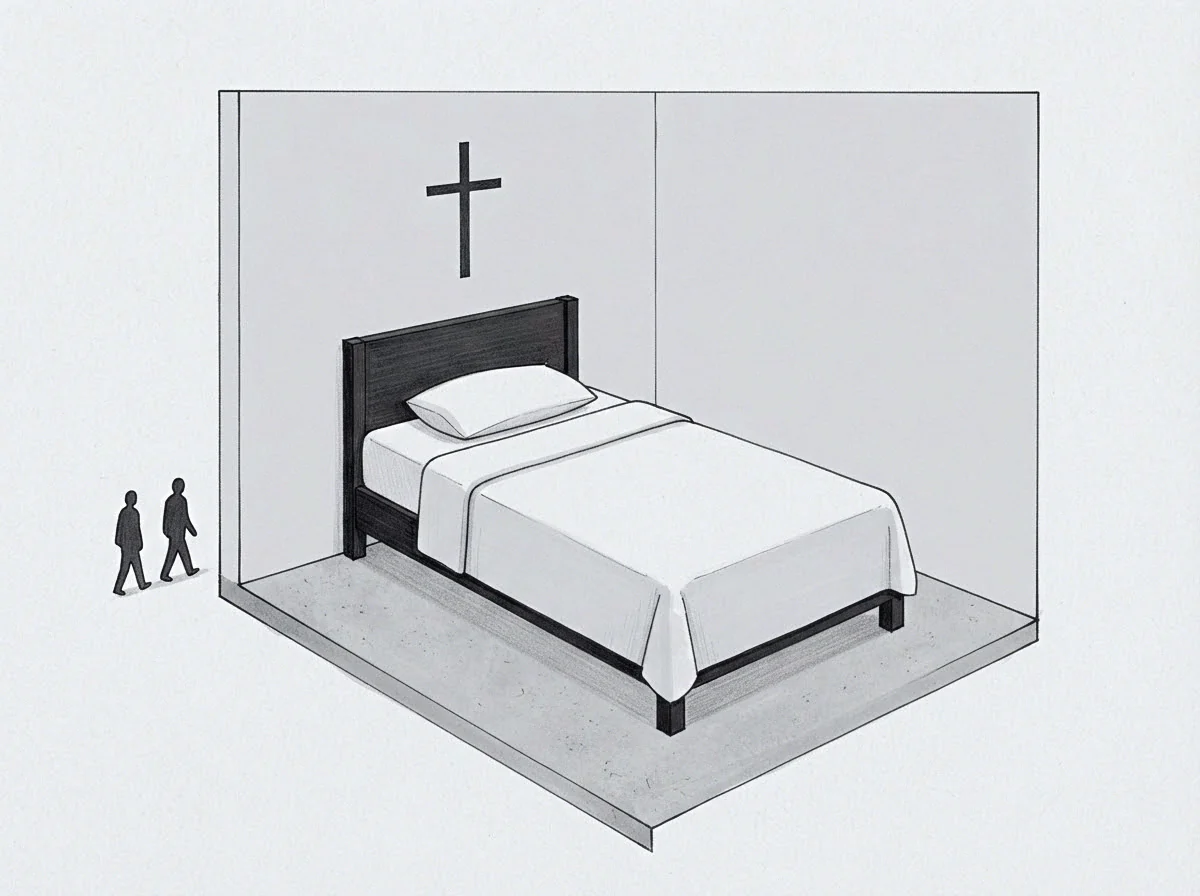
Reaching a true somatic baseline requires establishing physical headroom through deliberate, unmonitored non-action. The impulse to quickly fill the newly acquired space with consulting engagements, advisory seats, or new venture investments represents a defensive maneuver against experiencing the underlying exhaustion. Until the individual allows the biological floor to be reached, true restorative physiological processes remain blocked by low-grade anticipatory arousal.
Structural Conditions for Somatic Rebound
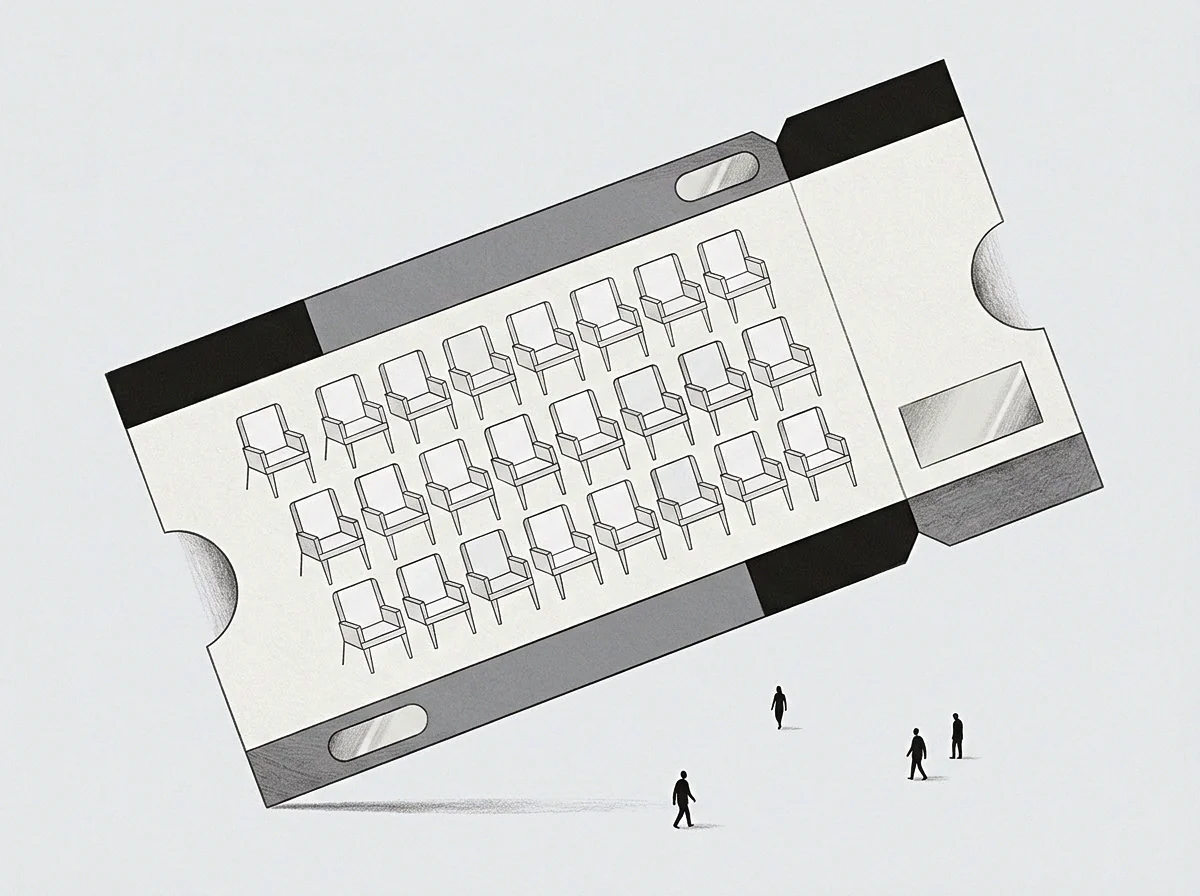
Restoring autonomic flexibility demands complete severance from operational pings, governance messaging channels, and informal performance tracking. The nervous system evaluates incoming notifications as potential demand events, triggering immediate micro-spikes in blood pressure and heart rate. Creating a secure somatic environment requires establishing absolute communication boundaries, declining unvetted exploratory meetings, and allowing the biological system to experience extended periods devoid of external evaluation.
How many months of physiological non-productivity must elapse before the autonomic nervous system stops anticipating emergency calls?