Meaning
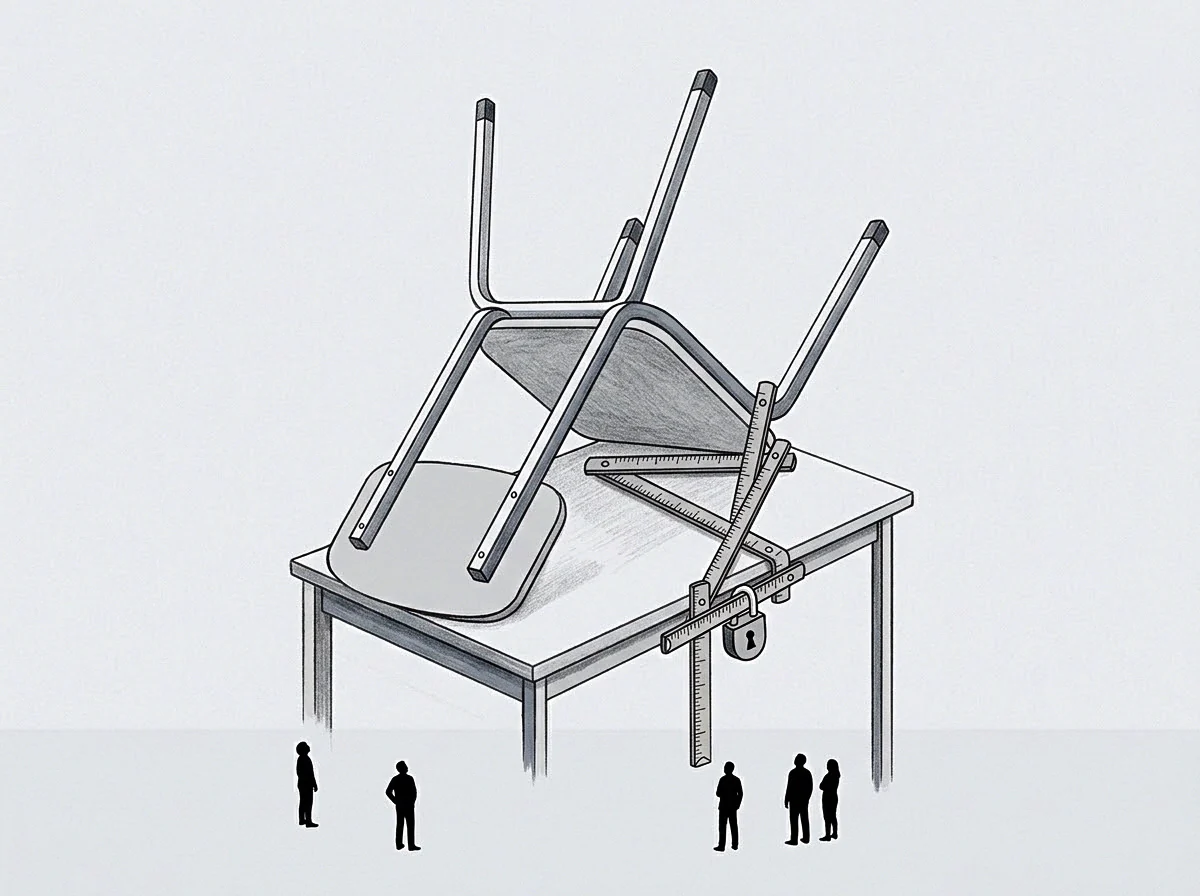
Distribution of personal cognitive energy across competing operational demands requires conscious intervention rather than passive reaction. Through active allocation, a founder explicitly determines which problems receive direct executive focus and which are delegated or deferred. Conscious division of attention prevents the cognitive exhaustion that occurs when an individual attempts to resolve every emerging crisis simultaneously.
The resulting boundaries protect the remaining cognitive capacity for systemic governance.
Attention Budget
Cognitive focus acts as a finite reserve that diminishes with every complex decision. When a founder employs active allocation, they treat this capacity as a quantifiable asset with strict daily limits. Daily operations often demand quick shifts in focus, but unstructured multitasking rapidly depletes energy reserves.
Limiting the number of critical decisions to three per day preserves the quality of the remaining choices. This disciplined approach ensures that high-priority regulatory and structural issues receive optimal mental energy before fatigue degrades execution.
Resource Strain
Constant redirection of cognitive focus imposes a heavy operational price. Implementing active allocation reduces the switching costs that accumulate when moving between divergent tasks. It prevents the accumulation of friction in decision-making processes.
Founders who fail to structure this distribution find their attention fractured.
Strategic Limit
The utility of this structured distribution depends on the stability of the surrounding organizational environment. Under extreme crisis conditions, active allocation becomes difficult to maintain as external shocks force immediate reactions. It functions effectively only when basic operational systems can handle routine anomalies without founder intervention.
When these conditions are met, the system prevents exhaustion and sustains organizational direction over multi-year cycles.