Meaning
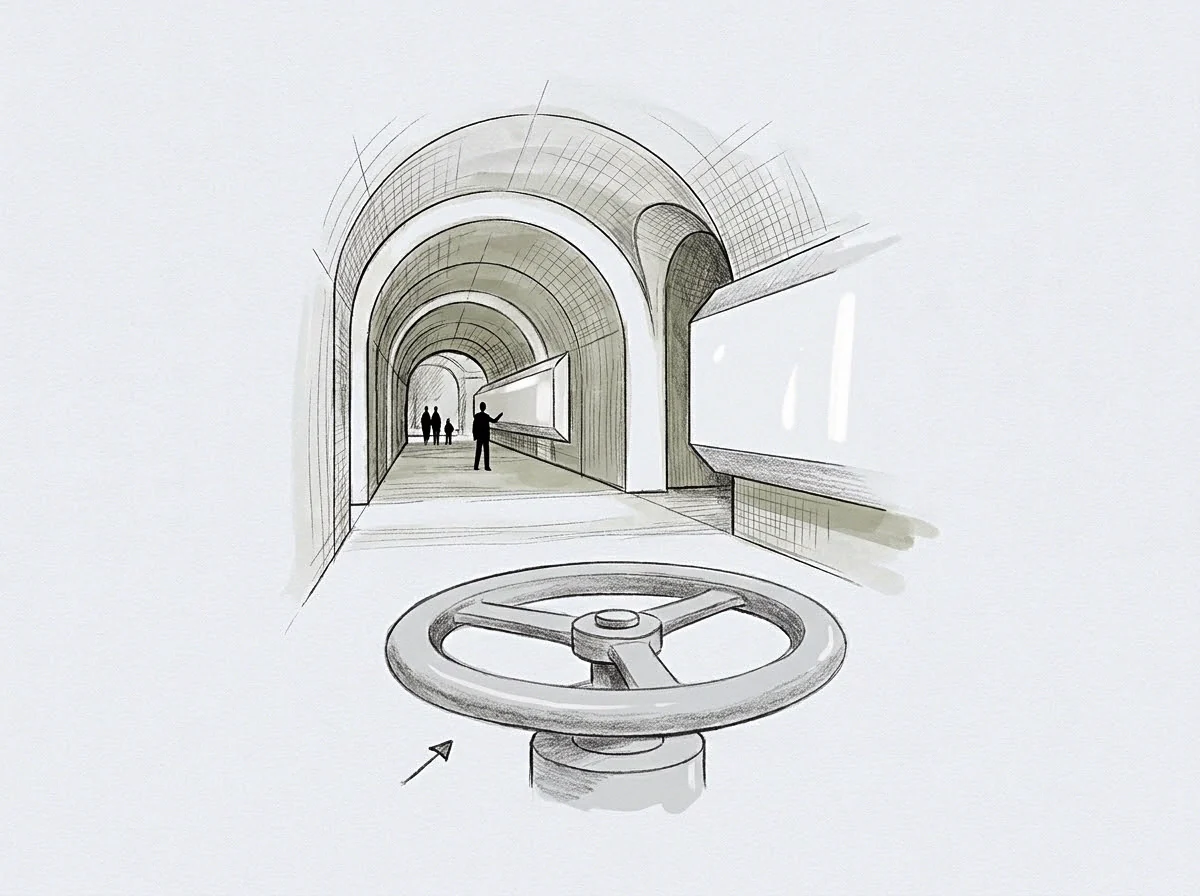
Operational requirements that demand the non-productive application of cognitive and temporal resources define the burden of maintenance. The term administrative load describes the quantifiable measure of the time and effort spent on internal coordination as opposed to external production. It tracks the hours a person spends on documentation and regulatory filings that do not generate revenue.
This measurement stops applying when the activity contributes directly to the primary value or when the task is automated by external systems.
Resource Depletion
Diverting attention from strategy to maintenance creates a measurable loss in cognitive capacity. When administrative load increases, it forces the person to operate in a reactive mode. This transition reduces the time available for deep work.
Energy levels drop as the volume of repetitive tasks rises.
Structural Friction
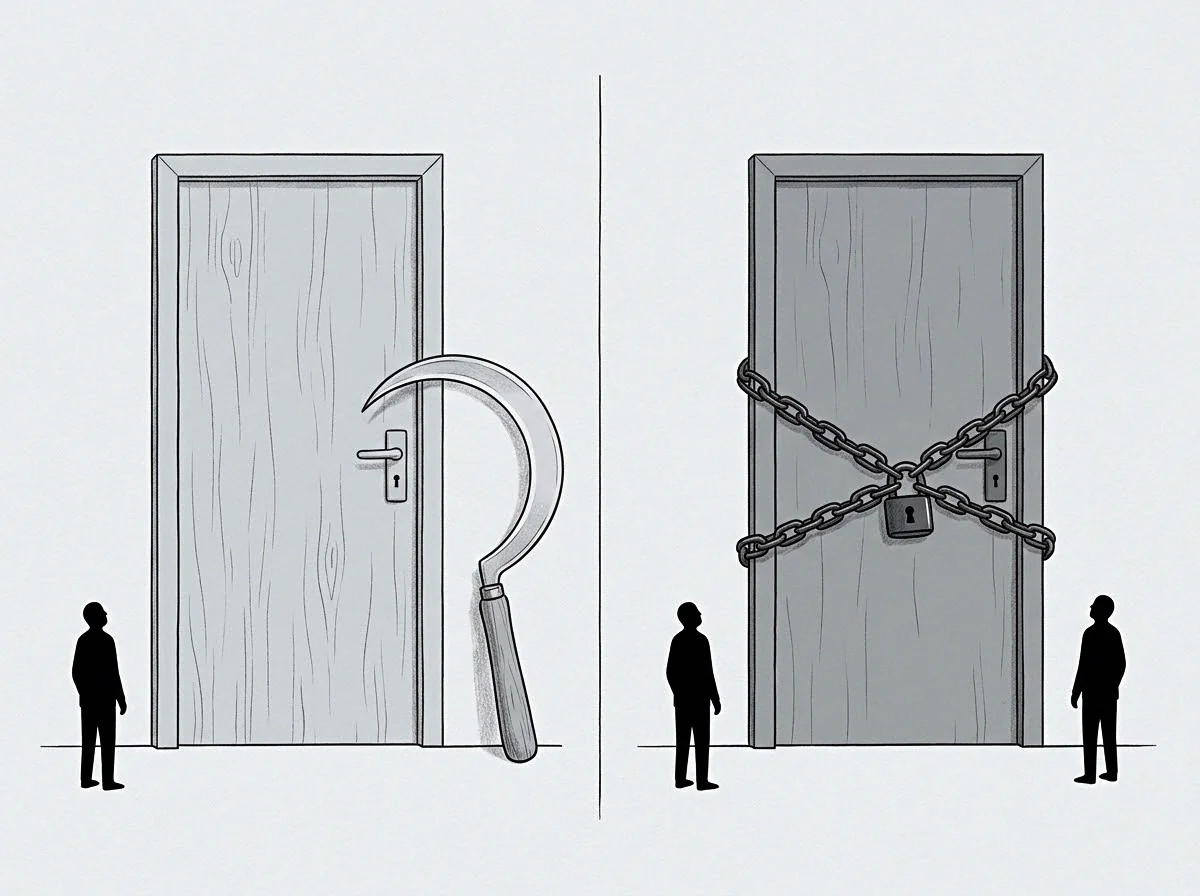
Organizational complexity leads to an accumulation of procedural requirements that drain time. Each new rule adds to the administrative load without necessarily improving the quality of the final output. These layers of protocol act as a brake on decision making across the entire hierarchy.
Friction develops at the intersection of departments where reporting lines cross and require manual verification. The cost of this friction is usually hidden in the general operating expenses until the system hits a limit.
Process Limit
The total expense of internal coordination represents a withdrawal from the available pool of creative energy. High levels of administrative load result in a slower response to market shifts because the individual must process internal noise before addressing external signals. Organizations that ignore this cost eventually find themselves unable to execute simple tasks efficiently.
This state persists until the individual delegates the maintenance tasks or the process is redesigned to remove the requirement. Efficiency remains the primary casualty of unmanaged paperwork.