Meaning
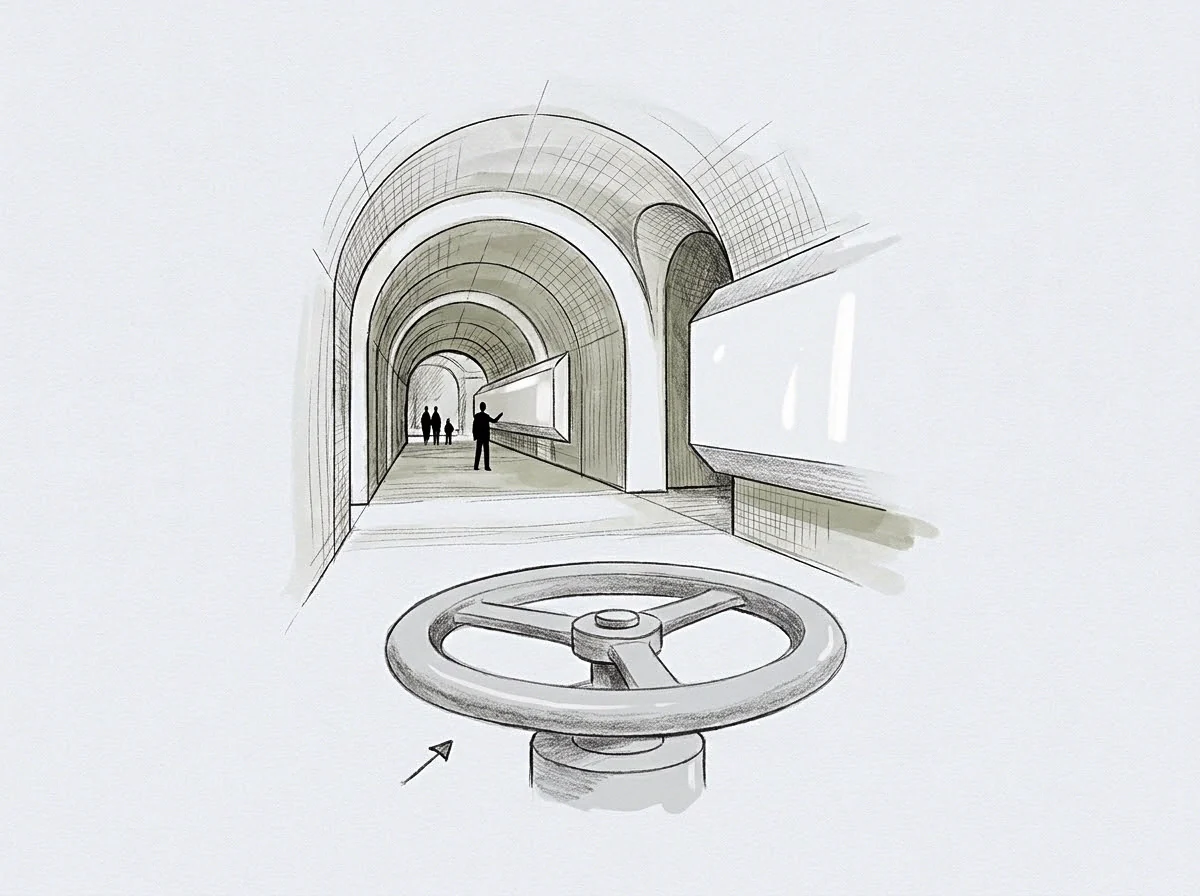
Communication frameworks that decouple information exchange from immediate reciprocity allow organisations to function without requiring simultaneous presence from participants. Incorporating asynchronous protocols into daily operations shifts the coordination load from live sessions to structured documents. A documented arrangement establishes a baseline of recorded decisions and plans that team members can access at any time.
The boundaries of this method occur during emergency outages where immediate co-regulation is required to arrest a cascading system failure.
Operating Cost
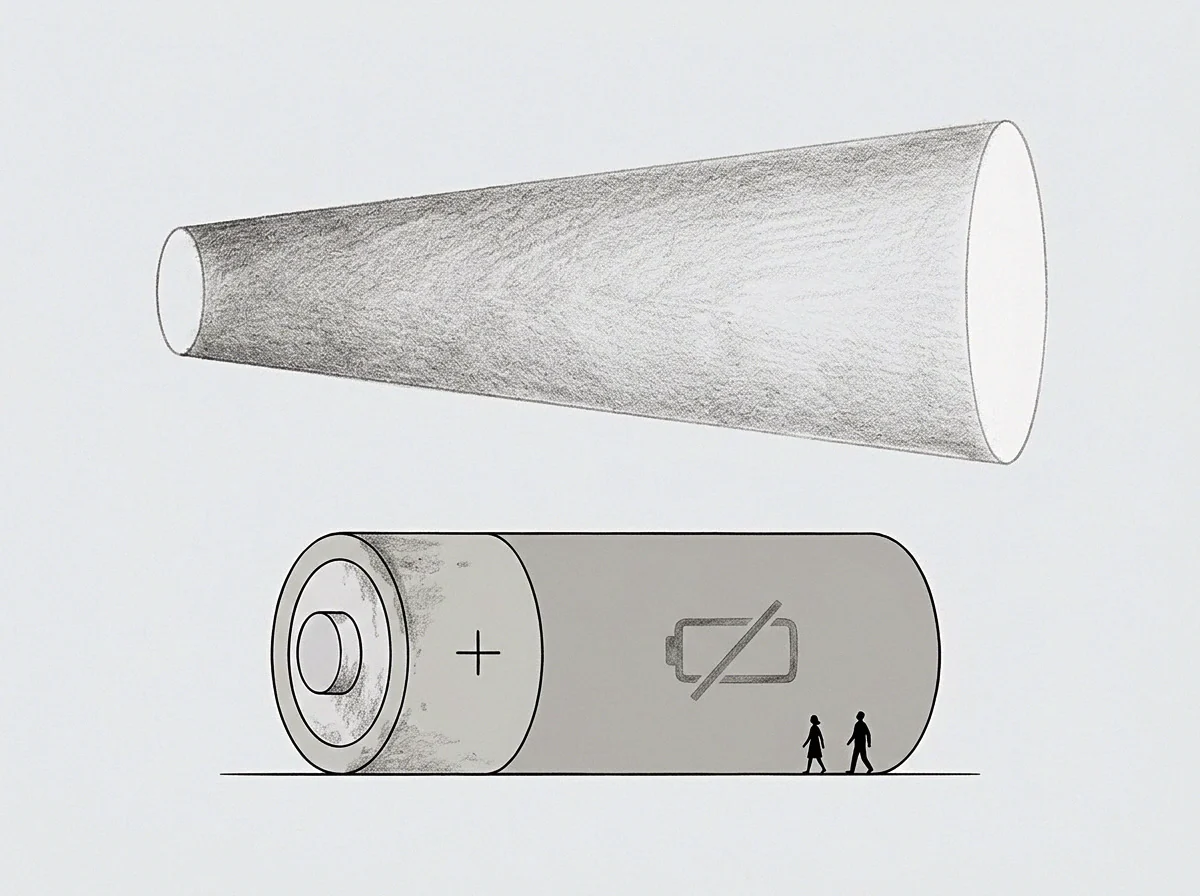
Cognitive attention in a non-linear work environment remains a finite resource that must be budgeted carefully. Organizations that rely on asynchronous protocols reduce the hour-by-hour distraction of constant messaging pings, which lowers the physical allostatic load on managers. However, the cost of this shift is the added labor of writing clear, unambiguous prose that stands alone without real-time clarification.
Structural Friction
Relational dynamics change when team members do not interact in real time. Because asynchronous protocols remove the immediate emotional cues of vocal tone or facial expression, they require greater reliance on formal documentation standards. A transition to these procedures often exposes gaps in writing ability and structured thinking across the company.
Implementation Protocol
Transitioning to a decoupled coordination model requires clear handoff agreements and explicit deadlines. Teams must establish clear thresholds for when to break the protocol to hold a brief live meeting. Without these boundaries, a delayed response can halt progress on critical operational paths.