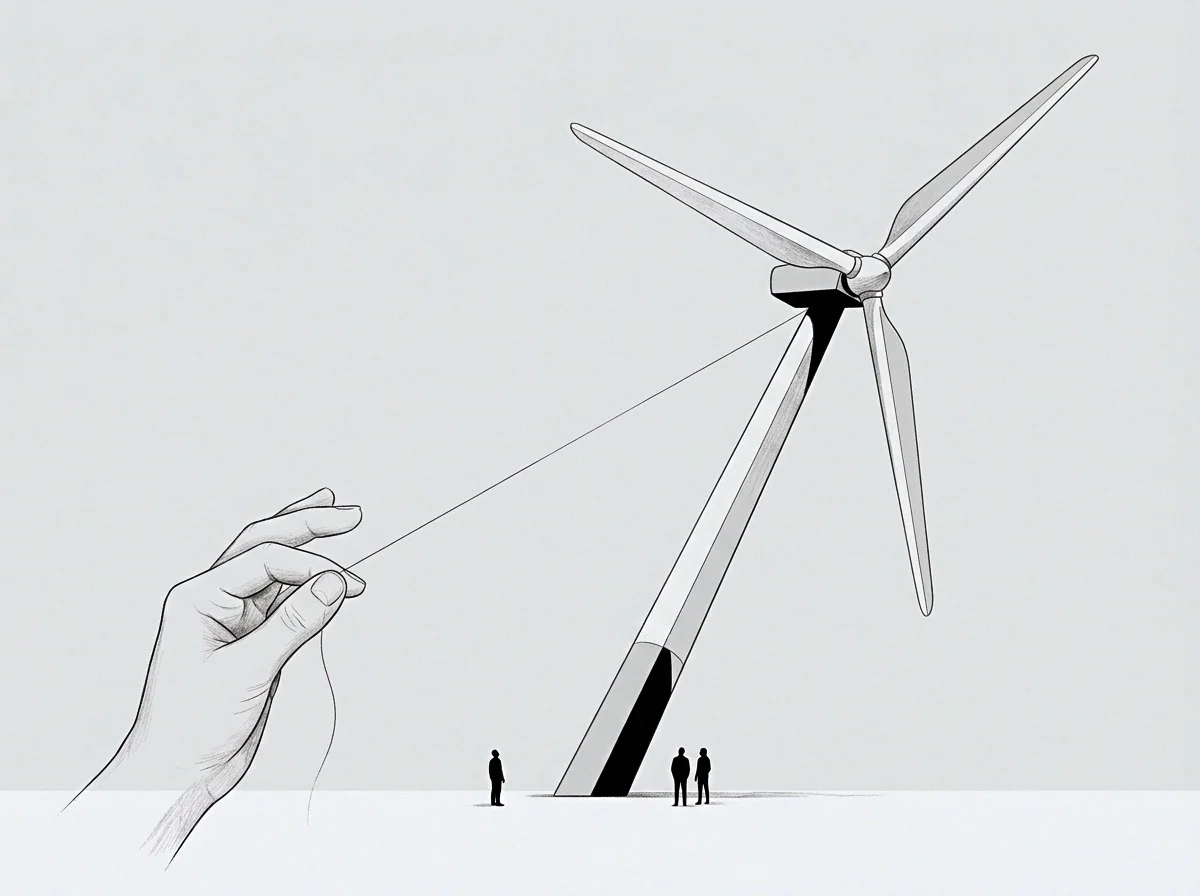
Meaning
A physiological state of diminished responsiveness occurs when continuous high-stress demands exhaust the sensitivity of hormone receptors. Prolonged executive overexertion leads to adrenergic saturation, wherein the body ceases to register further adrenaline signals. This condition limits the capacity of a founder to respond to acute operational crises.
Physiological Baseline
Autonomic nervous system activation typically relies on a functional reserve that handles sudden pressure. When that reserve is permanently drawn down, adrenergic saturation prevents the heart rate and blood pressure from elevating in response to new challenges. This lack of response limits physical endurance and drains basic capacity.
Attention Depletion
Executive decision making depends on a clear signal to noise ratio in the cortex. With adrenergic saturation, the constant chemical flood dulls the prefrontal network, causing a feeling of mental fog. The individual struggles to focus on long-term goals and instead defaults to short-term reactive tasks.
Because the brain is locked in a high-arousal state, the ability to process complex, multi-variable strategic problems is severely degraded, leaving the leader unable to make critical business pivots.
Restorative Action
Reversing this systemic exhaustion requires a complete withdrawal from high-pressure stimuli. A brief weekend break is insufficient, as the down-regulation of receptors takes weeks of sustained low-arousal state to normalize. Founders must hand over operational control to survive this period.