Meaning
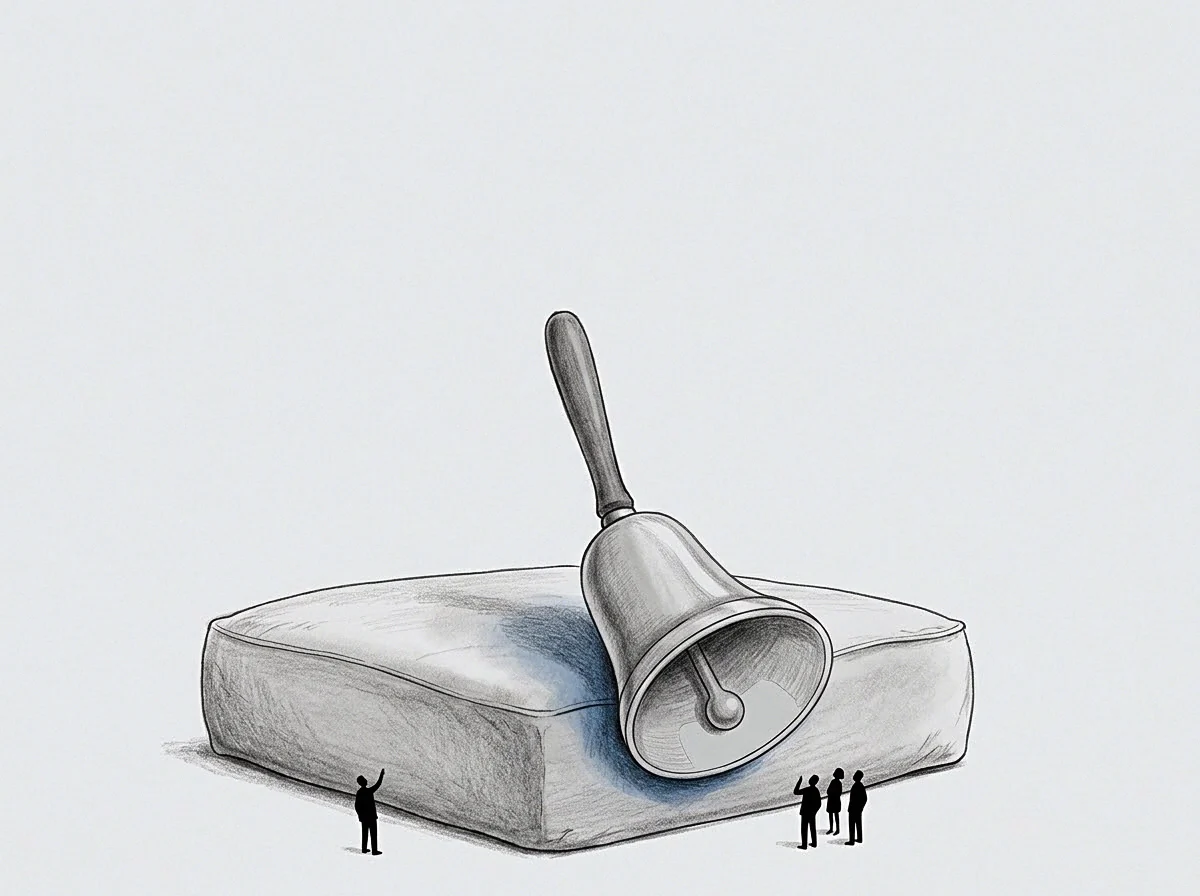
A directional physiological expenditure occurs when one nervous system absorbs ambient volatility to steady another without receiving reciprocal regulatory cues. In professional relationships defined by authority, asymmetric autonomic transfer describes the unhedged physiological tax paid by a stabilizing figure who provides predictability while absorbing raw operational turbulence. The mechanism relies on unconscious somatosensory tracking, where one body alters its own autonomic state to signal safety to an unsettled counterparty.
Such dynamics govern high-stakes interpersonal interfaces where reciprocal regulation is structurally unavailable. The condition stops applying when both parties engage in mutual co-regulation or when relational proximity is replaced by detached structural procedure.
Directional Vector
Unbalanced physiological transmission flows from the person holding systemic responsibility down to operational counterparts. While bilateral contact distributes metabolic expenditure under conditions of parity, asymmetric autonomic transfer forces one participant to act as a dampener for the room. Heart rate variability synchronizes downward toward the stabilizing actor only because that actor deliberately suppresses their own sympathetic response.
That suppression requires continuous prefrontal inhibition. Caloric expenditure rises predictably during these interactions. The load remains invisible on standard organizational logs.
Metabolic Cost
Sustained one-way regulation consumes biological energy at a rate that rapidly exhausts glucose and monoamine reserves. When a leader continuously metabolizes organizational friction without an inward stream of reassuring somatic cues, systemic fatigue accelerates. Cortisol output remains elevated well past the conclusion of the interaction, preventing the immediate restoration of parasympathetic tone.
The body treats this chronic stabilization of others as an active biological threat. Sleep quality degrades as a direct consequence. Recovery demands extended periods of solitude or contact with balanced peers.
Operational Boundary
Clear boundaries on contact duration and meeting cadence establish the outer limit where directional physiological loading ceases to cause permanent wear. An executive who throttles direct exposure limits the total hours spent absorbing team anxiety, preserving baseline cognitive function. Beyond this protective perimeter, procedural documentation and objective milestones carry the burden of reassurance.
The physiological transfer terminates the moment structural rules replace personal presence as the primary source of certainty.