Meaning
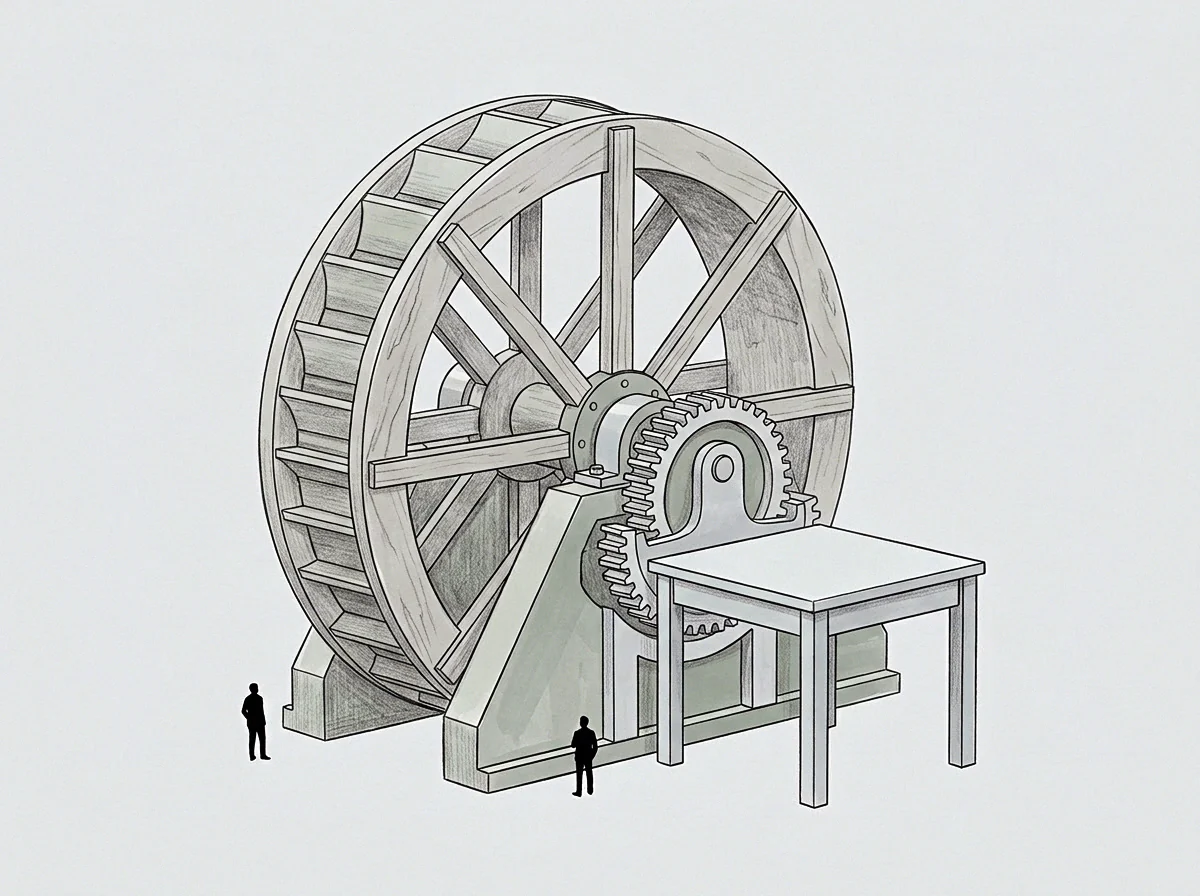
Concentration maintenance requires cognitive resource allocation to sustain focus on a specific mental object or operational goal over a continuous period. Sustained attentional maintenance prevents the drift of concentration toward secondary stimuli or environmental noise. This process involves the suppression of competing signals and the reinforcement of the primary objective.
Energy Consumption
Holding focus requires a constant expenditure of metabolic energy. While the system attempts to automate routine tasks, attentional maintenance demands active monitoring and correction. The cost of this effort rises as the complexity of the task or the duration of the engagement increases.
Signal Fidelity
High quality output depends on the clarity of the mental representation being processed. Through attentional maintenance, a person filters out distractions that would otherwise introduce errors or delays. This filtering mechanism acts as a guard against the fragmentation of thought that often occurs in high pressure environments where multiple urgent signals compete for the same limited bandwidth.
Maintaining this fidelity involves a constant feedback loop between the intention and the current mental state.
Durational Limit
Humans possess a finite capacity for deep concentration before performance begins to decline. After several hours, the efficacy of attentional maintenance drops, making it harder to stay on task. This decline marks the boundary of sustainable output for the day.