Meaning
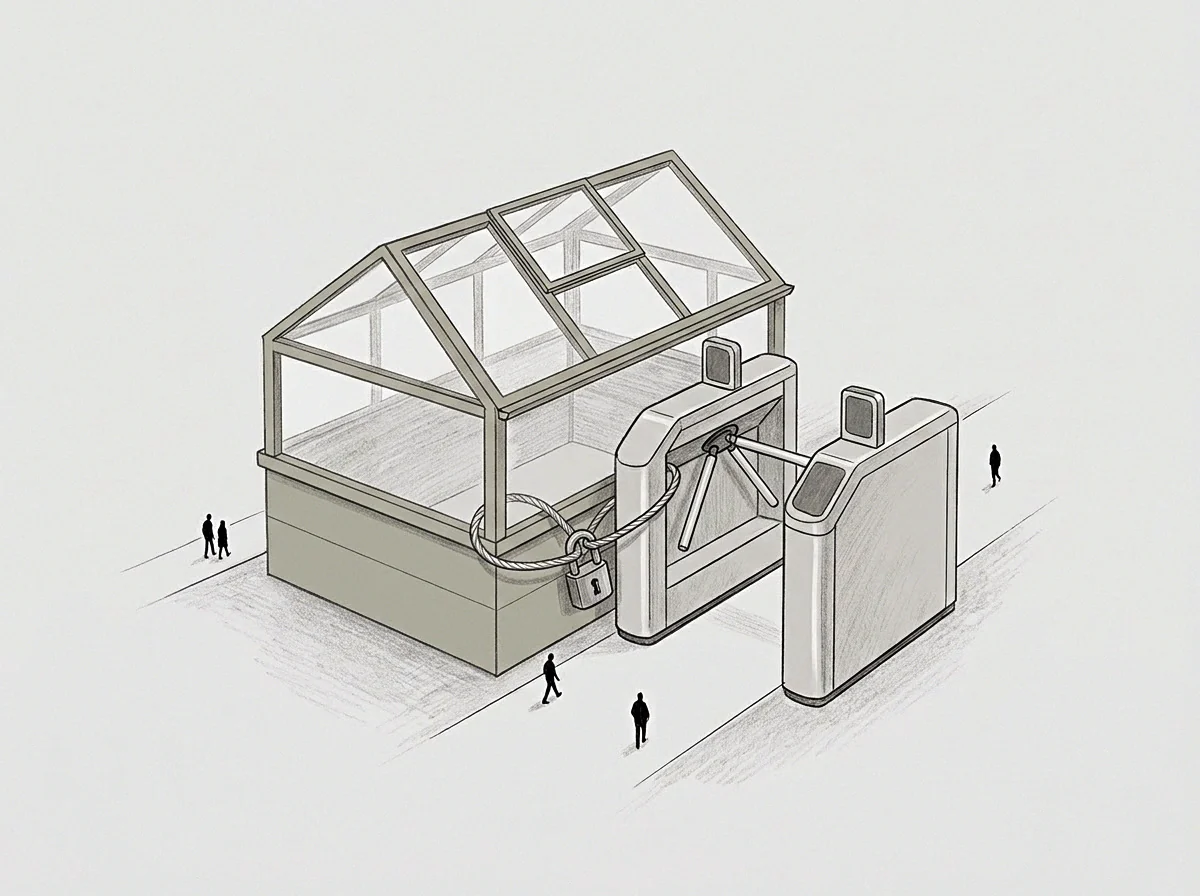
Physiological down-regulation functions as a somatic constraint on the sympathetic nervous system to prevent prolonged arousal states. Within the context of professional burnout, autonomic dampening acts as an involuntary reflex that reduces heart rate variability and blunted emotional response. This biological intervention limits the expenditure of metabolic resources when the central nervous system detects chronic input overload.
It functions as a survival mechanism that sacrifices peak cognitive responsiveness to preserve baseline survival stability.
Biological Mechanism
Hormonal cascades initiate this reduction in system sensitivity following extended periods of high stress. The vagus nerve modulates these responses to lower the internal pressure generated by intense executive decision-making. Such modulation creates a state of detachment that protects the organism from total system exhaustion.
Performance Constraint
Chronic dampening reduces the capacity for rapid executive shifting between disparate work tasks. This limitation increases the time required for a founder to adjust to new information after a period of sustained focus. Low variability in physiological outputs predicts a drop in complex problem solving ability and analytical depth.
Capacity Cost
Long-term suppression of the autonomic response consumes significant neural resources that otherwise support social interaction and nuanced communication. Founders experiencing this state report a narrowed sensory field where external social cues lose their clarity. Sustained reliance on this dampening mode requires extended rest periods for the nervous system to regain its native, high-frequency reactivity.