Meaning
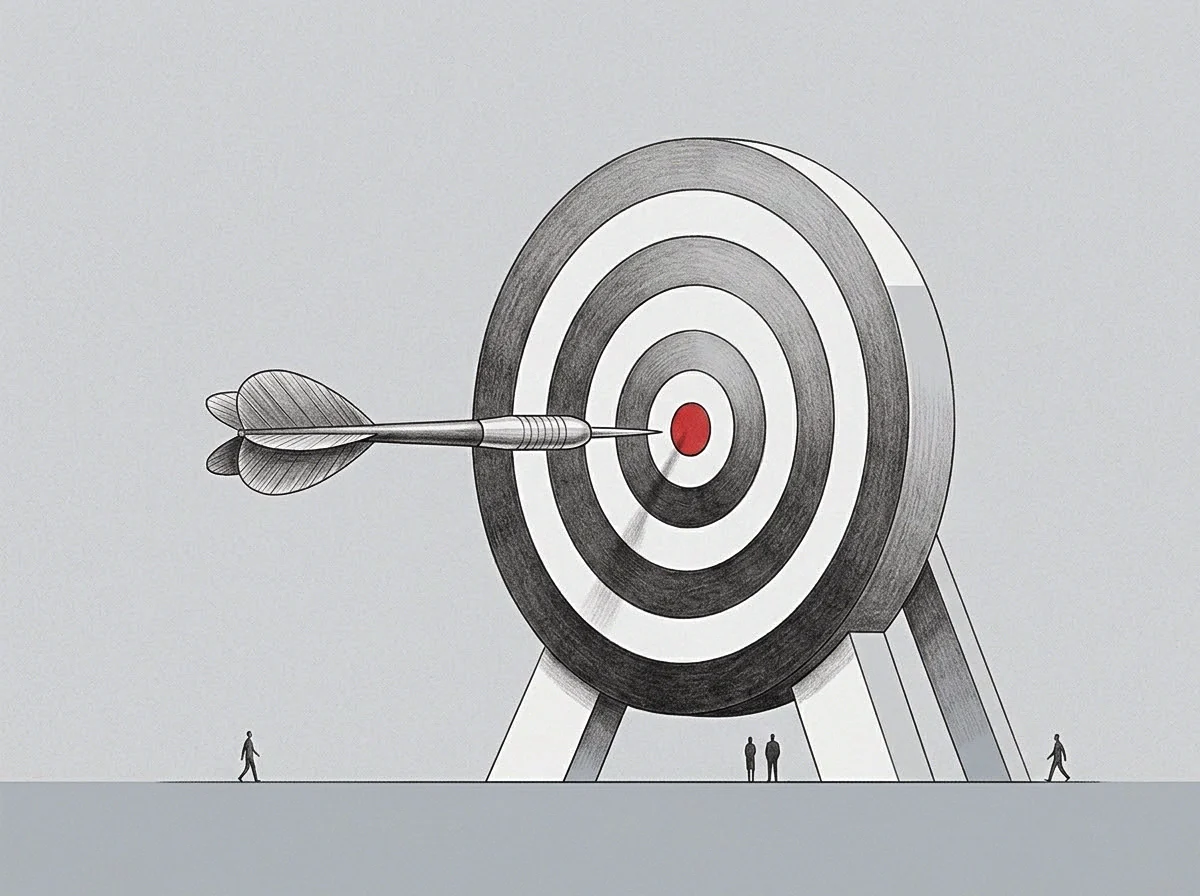
Somatic management techniques maintain physical equilibrium by balancing periods of high sympathetic activation with active recovery. Through autonomic pacing, a founder actively monitors and limits the intensity of the physical strain caused by prolonged pressure. This systematic scheduling of work prevents the body from entering a state of chronic sympathetic overdrive, which degrades cognitive performance over time.
It establishes a rhythm that matches energy expenditure with physiological capacity.
Structural Strategy
Designing the daily workflow to include brief interludes of deliberate downtime preserves the functional integrity of the nervous system. While traditional scheduling focuses on task completion, this somatic approach prioritizes the state of the operator during those tasks. When a leader practices autonomic pacing, the transition between intense meetings and analytical work is treated as a physiological transition rather than just a calendar change.
This structural strategy protects the capacity for complex decision-making by preventing the buildup of allostatic load.
Attentional Economy
Sustained cognitive performance relies on the efficient distribution of mental and physical energy across demanding tasks. High sympathetic output enhances focus for short periods but quickly depletes glucose and oxygen reserves in the prefrontal cortex if left unregulated. Practicing autonomic pacing helps distribute this attentional budget evenly, preventing the late-day cognitive declines that lead to poor strategic choices.
By treating energy as a finite resource, the leader maintains a more stable presence and avoids the erratic emotional swings that often accompany physical exhaustion. This disciplined approach ensures that the highest-priority problems receive the most capable cognitive effort rather than the leftovers of a depleted system.
Boundary Condition
The effectiveness of this regulatory strategy decreases during acute corporate crises that require immediate and continuous attention. During such periods, the physical system must run on reserves, suspending normal pacing to survive the immediate demand. However, this high-output mode is unsustainable beyond a few days, and recovery must be planned as soon as the threat subside.
If the high-activation state is maintained indefinitely, the baseline of the individual shifts permanently toward chronic burnout.