Meaning
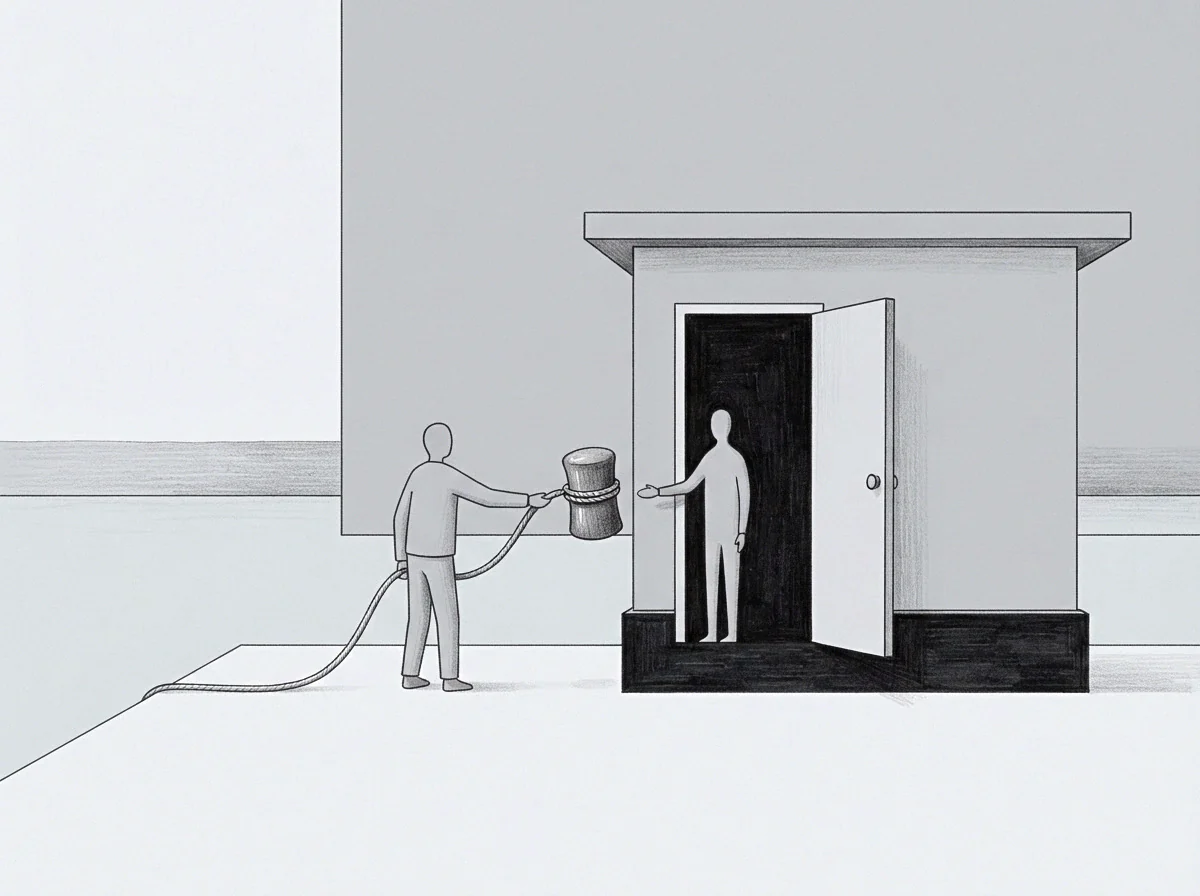
Cooperative physiological states between individuals in close proximity describe the shared regulation that occurs when team members interact. During high-pressure periods, autonomic synchrony aligns the biological baselines of founders and their closest deputies.
Physiological Alignment
Shared biological patterns develop when individuals spend long hours in the same physical environment. The resulting autonomic synchrony ties the nervous systems of team members together, mirroring levels of arousal. Under these conditions, a calm leader helps stabilize the baseline of the entire team.
Conversely, high stress in one individual quickly spreads across the organization.
Operational Consequence
Inherent risks emerge when a team relies on non-verbal biological cues to coordinate. This autonomic synchrony reduces the attention hours spent on explicit alignment but creates an invisible channel for panic. If the founder experiences high anxiety, the team suffers a parallel decline in executive function.
The reliance on this unvoiced connection makes the company fragile during sudden market shifts. Consequently, the capacity for objective decision-making deteriorates when the shared biology transmits a false sense of urgency.
Regulatory Limit
Structured boundaries protect the individual from the emotional states of coworkers. To decouple from autonomic synchrony, a founder must deliberately introduce physical distance or asynchronous workflows. This separation restores individual agency and allows each member to regulate independently.
It prevents the exhaustion that occurs when a leader’s chronic stress constantly drives the biological baseline of the employees.