Meaning
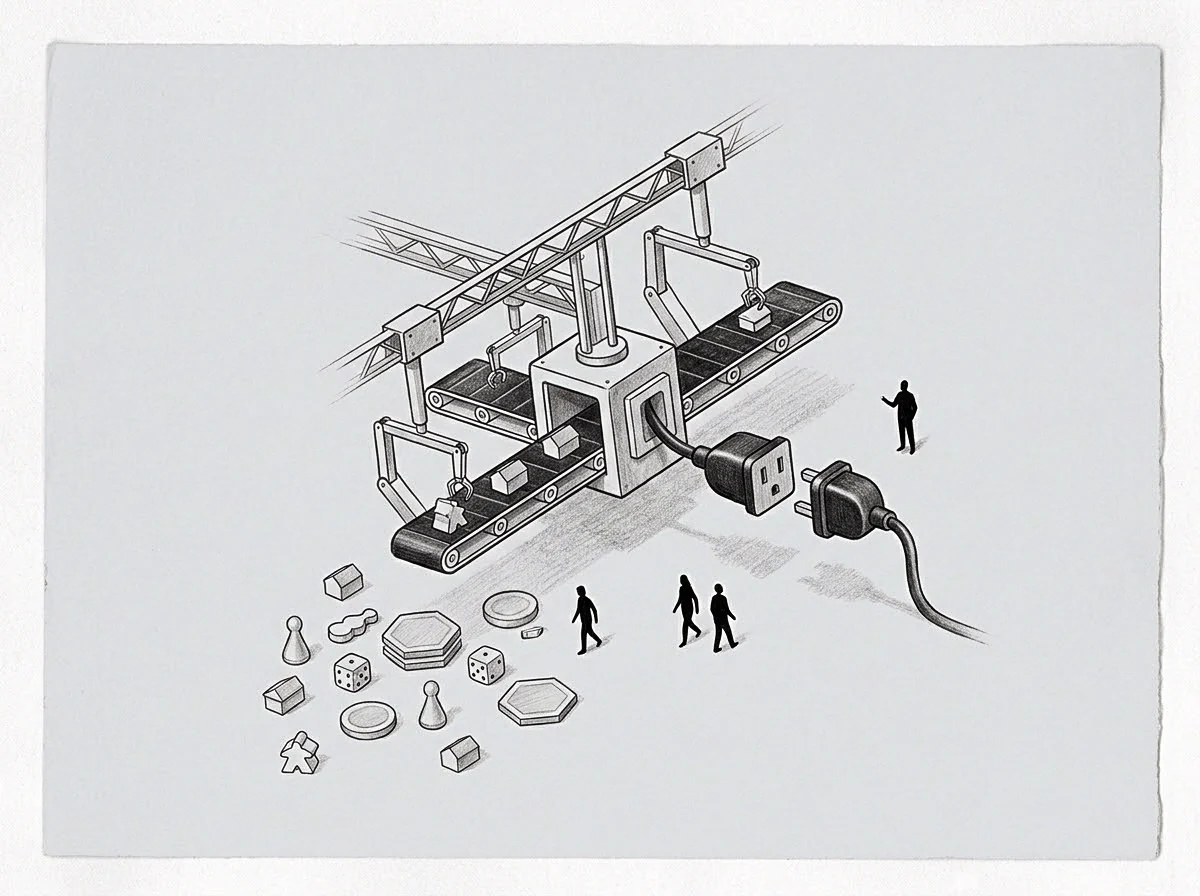
Social support structures provide a steady flow of metabolic and cognitive resources that reduce the effort required for basic operational maintenance. This baseline energy subsidy allows an individual to function at a level of efficiency that their own physiological or mental reserves alone cannot sustain. It marks the difference between a person who must generate every unit of motivation and one who moves within a supportive field.
Environment Subsidy
External systems often act as the primary source of regulation for a person navigating high pressure environments. When a baseline energy subsidy exists in a professional context, it often takes the form of borrowed regulation where the stability of an office or a team provides the structure the individual lacks. This arrangement lowers the allostatic load by offloading executive function to the surrounding environment and allowing the person to focus on complex problem solving.
The stability of the field essentially acts as an external battery.
Resource Dependency
Access to these external resources creates a dependency that masks the true state of individual exhaustion. Maintaining the baseline energy subsidy requires a continuous investment of social capital.
Depletion Threshold
Systems eventually reach a point where the support provided exceeds the value returned by the person. Once the baseline energy subsidy is removed, the individual often experiences a rapid collapse in output because the internal regulation has decayed. Recovery depends on rebuilding the internal capacity to meet the demands of the role without the assistance of the external field.