Meaning
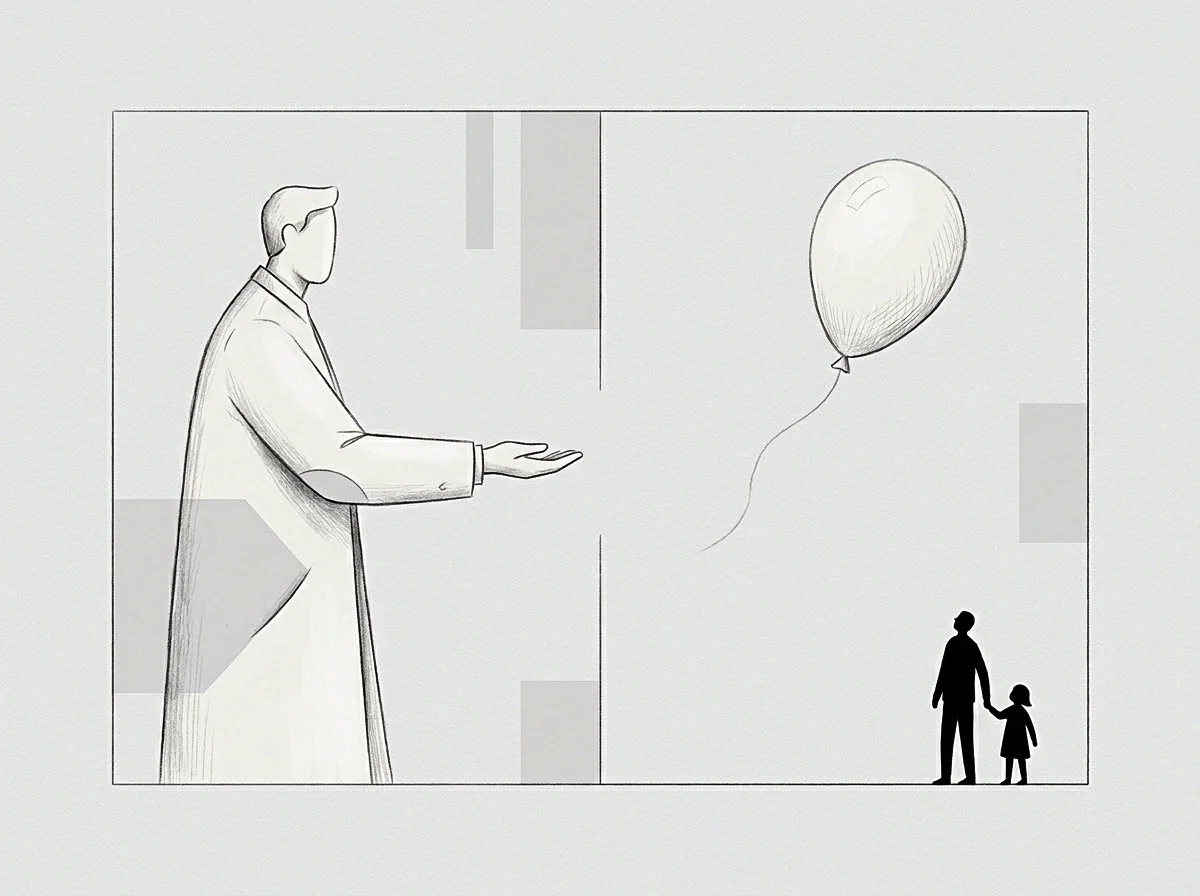
Physiological regulatory transfer describes how an individual delegates physiological self-regulation to an external social partner or environment, effectively reducing the internal cost of maintaining homeostasis. In the context of baseline offloading, the founder routes autonomic stability through co-regulation channels, depending on a partner, team member or routine to maintain heart rate variability and cortisol rhythms that would otherwise require active internal management. This delegation operates on biological bandwidth rather than conscious strategy, shifting the metabolic toll of executive function and stress response onto external systems.
The mechanism stops working when the external anchor withdraws or demands reciprocal regulation, forcing an immediate rebound in the founder’s allostatic load.
Regulatory Load
Biological expenditure scales directly with the distance between the founder and the primary regulatory anchor, dictating how many hours of high-attention work are sustainable before exhaustion sets in. When baseline offloading fails due to partner absence or communication breakdown, the autonomic nervous system absorbs the missing stability, manifesting as sleep disruption and cognitive fatigue within twenty-four hours. Borrowed regulation provides temporary relief from this internal cost, yet it creates a hidden debt that accrues whenever the supporting structure experiences its own friction.
Capacity Limit
Stated availability differs sharply from functional availability once the nervous system exhausts its capacity to absorb unmanaged volatility. Every hour spent absorbing team uncertainty draws down the neurochemical reserves required for strategic decisions, leaving the founder operating on depleted physiological capital long before any outward sign of strain appears. Throttling occurs automatically when these reserves drop below a critical threshold, reducing processing speed and emotional range to prevent complete system collapse.
Systemic Cost
Attention hours represent the primary currency consumed by inadequate self-regulation after founding, measured in the chronic diversion of focus away from enterprise architecture toward internal stabilization. This deficit cannot be resolved by conventional rest because the underlying physiological deficit stems from structural isolation rather than simple tiredness. Sustained survival under these conditions requires an explicit redesign of operational interfaces to minimize the need for borrowed stability.