Meaning
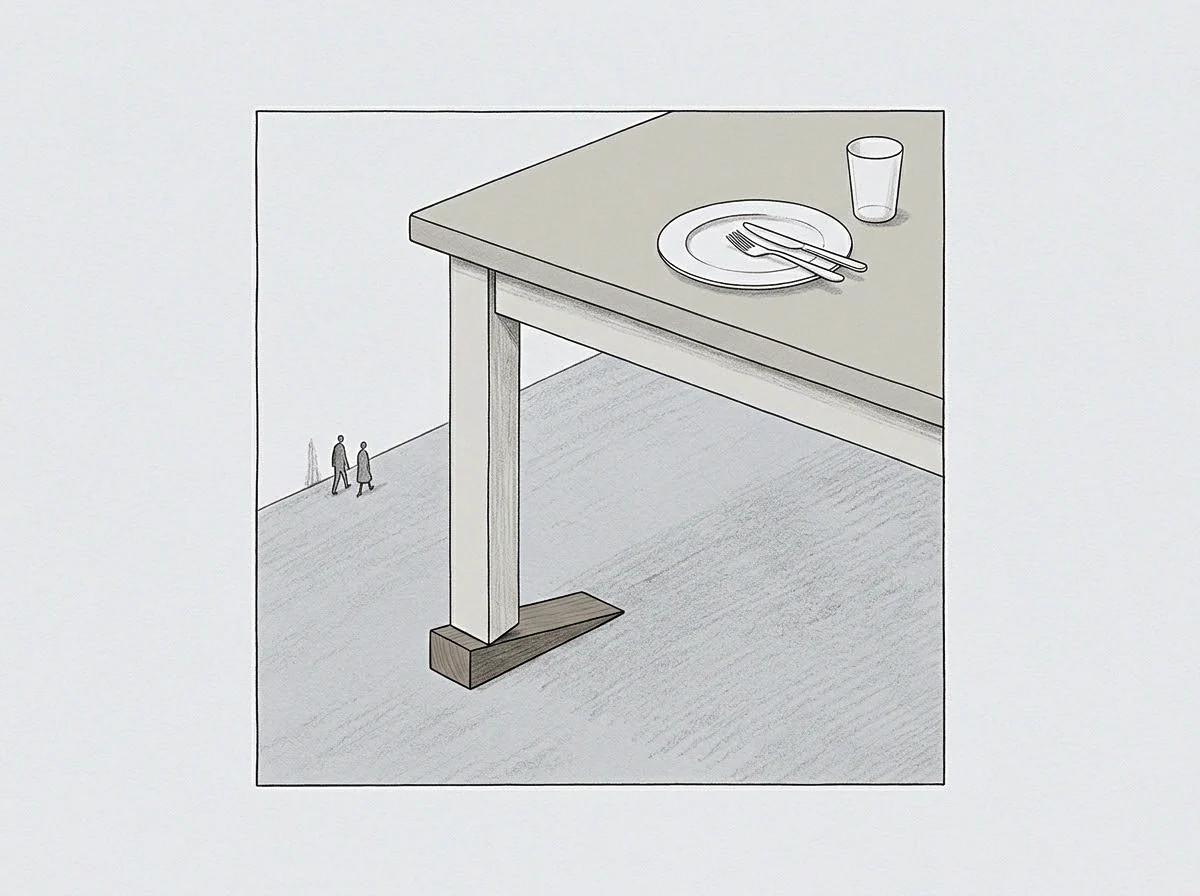
An ongoing operational demand exerts constant strain on the attention and capacity of an organization. In early-stage growth, baseline pressure represents the minimum level of daily workload and executive cognitive load required to keep the company functioning. If this load remains too high for extended periods, the risk of systemic failure rises.
Operational metrics fluctuate but never fall below this essential floor.
Stress Level
Continuous executive attention represents the primary psychological toll of constant work demands. Managing baseline pressure drains the decision-making energy of founders before they can address strategic growth. This persistent friction creates chronic exhaustion within the leadership team.
Teams must adapt to high workloads or risk burn out.
Resource Cost
Financial reserves are consumed more rapidly when systems operate at high activity levels. High baseline pressure increases the hourly cost of maintenance and support. When every department runs at maximum capacity, unexpected errors occur more frequently.
Efficiency declines as personnel focus exclusively on keeping the business afloat.
Tolerance Threshold
Every organizational structure has a maximum limit beyond which it cannot function. If baseline pressure exceeds this threshold, processes break down and critical staff leave the company. Leaders can temporarily endure extreme conditions, but long-term survival requires returning to manageable levels.
When the load stays elevated, the company loses its ability to respond to market shifts. Strategic agility is the first casualty of prolonged operational strain.