Meaning
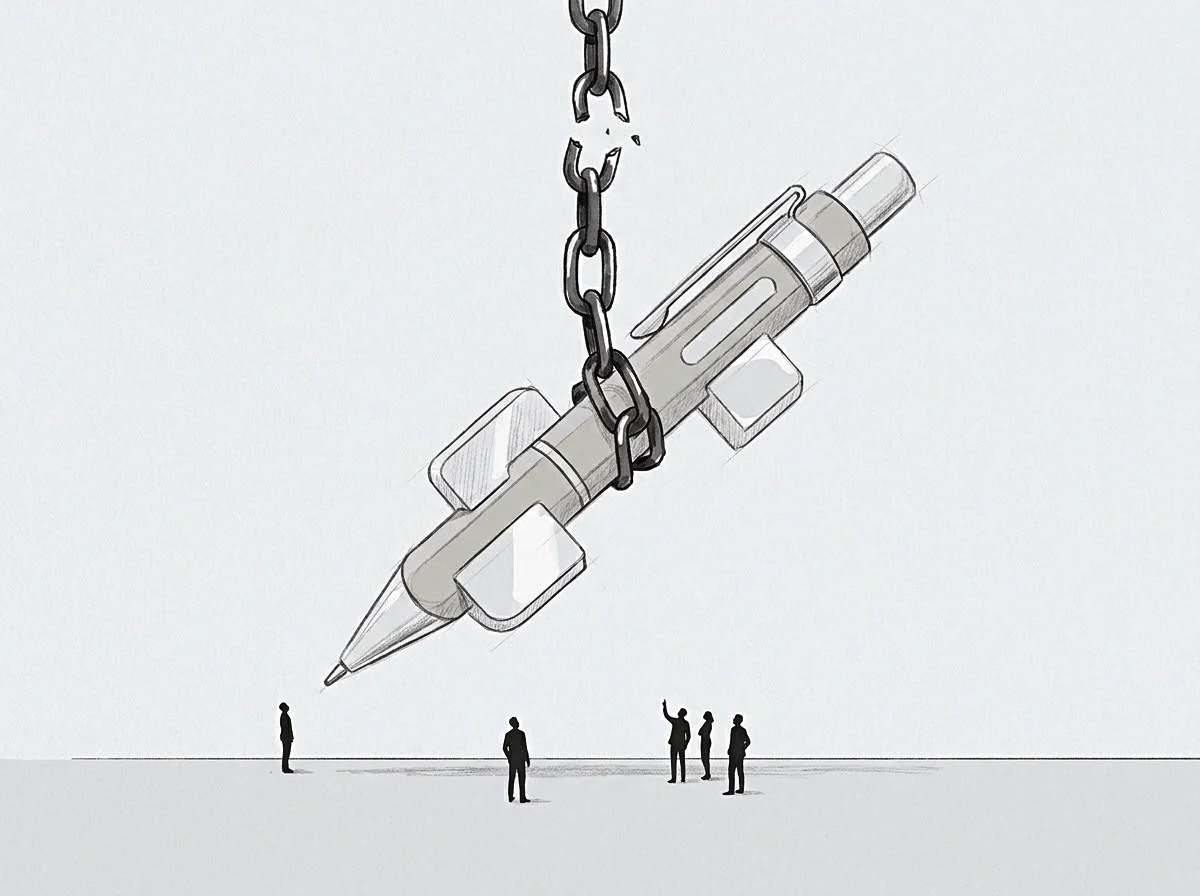
Metabolic exhaustion names the total energy expenditure an individual incurs to sustain physiological regulation under chronic stress. This bioenergetic cost depletes cellular reserves through prolonged sympathetic activation, leaving the organism vulnerable to systemic collapse. The boundary of this expenditure sits at the point where baseline reserves fail to replenish between demands, shifting the system from adaptation to permanent depletion.
Energy Baseline
This baseline sets the starting capacity available for daily operations before demands draw down the reserve. Chronic exposure to operational pressure steadily erodes this starting point, reducing the margin between normal function and failure. The organism compensates for the deficit by borrowing metabolic output from future cycles, creating an accumulating debt that demands longer recovery periods.
Regulation Cost
Each regulatory act consumes measurable glucose and oxygen to maintain internal stability against external turbulence. Self-regulation requires continuous neural inhibition, which diverts resources away from physical maintenance and cellular repair. When social support fails to provide co-regulation, the individual must shoulder the entire regulatory burden alone, doubling the metabolic penalty per hour of operation.
Capacity Limit
The hard ceiling of this capacity is reached when mitochondrial output can no longer match the demands of decision-making and vigilance. Surpassing this threshold triggers autonomic throttling, forcing a shutdown of non-essential cognitive functions to preserve basic survival. Exhaustion sets in when the energy debt outlasts the available windows for restoration.