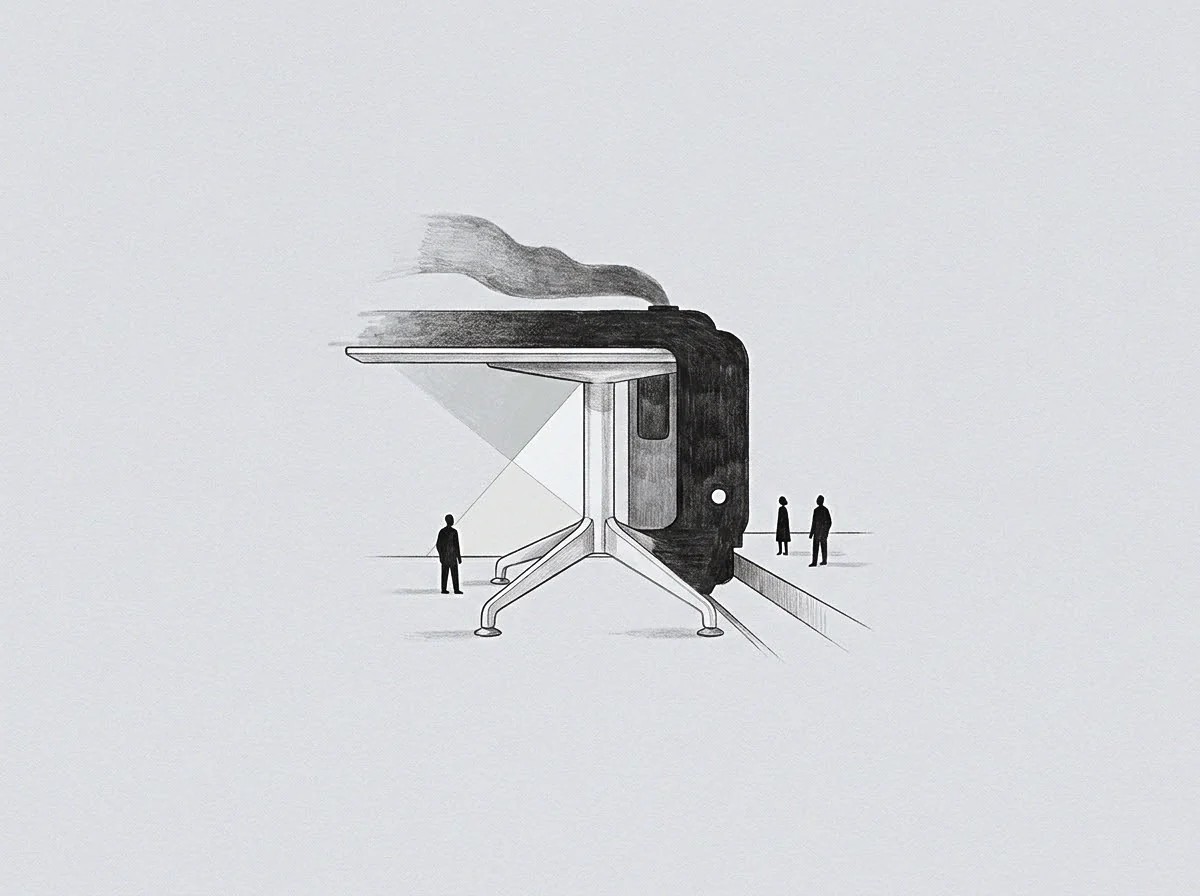
Meaning
Physiological deficits accumulate when recovery cycles are shortened to accommodate operational demands. The concept of biological debt describes the physiological cost incurred by delaying sleep, nutrition, or cognitive rest in favor of sustained high-performance output.
Resource Depletion
Borrowing energy from the future creates a deficit that must eventually be repaid with interest in the form of extended downtime. When biological debt is ignored, the body utilizes emergency reserves that were intended for rare crisis events. This reliance on survival mechanisms degrades the organs and neural pathways responsible for maintaining focus during normal operations.
Repayment Schedule
The schedule for resolving these deficits is rarely linear or predictable. One hour of lost sleep or one skipped meal might require two hours of rest to fully neutralize the resulting metabolic waste products. Because the body prioritizes immediate survival, it hides the true extent of the debt until the total burden reaches a level that forces a system shutdown.
System Failure
Total collapse occurs when the available energy reserves are insufficient to power even the most basic cognitive functions. At this stage, the cost of the debt is no longer measured in hours of rest but in months of reduced capacity. The individual loses the ability to regulate their internal environment, making them vulnerable to external shocks that would otherwise be manageable.