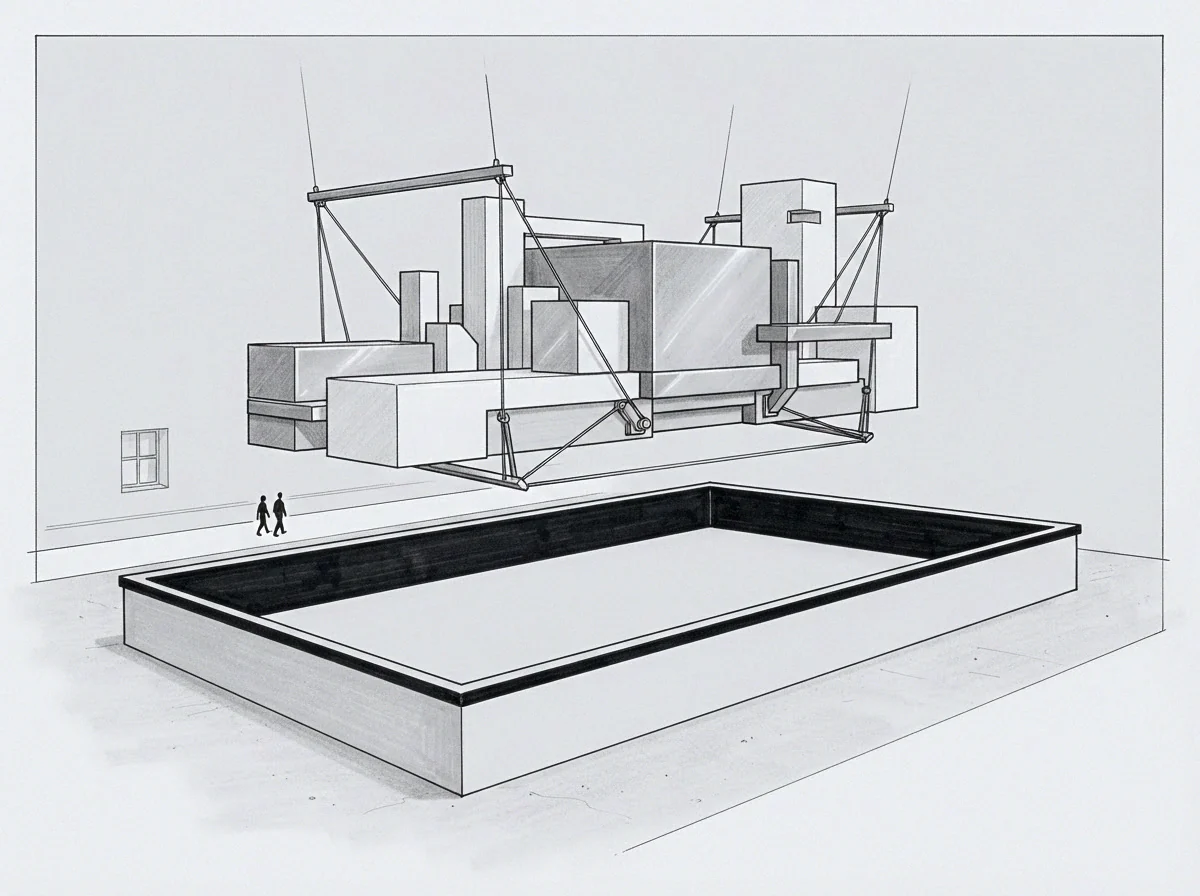
Meaning
Structural constraints defined at the periphery of an operational system determine the precise limits within which functional stability is maintained. A boundary condition marks the outer parameter of workload or stress beyond which standard regulatory mechanisms cease to operate effectively. In post-founding environments, these limits govern the maximum capacity for decision making and attention allocation before performance drops sharply.
The rule ceases to apply once the surrounding organizational framework adapts to absorb the excessive operational load directly.
Operational Margin
Operating near structural thresholds consumes disproportionate cognitive energy and reduces adaptive flexibility. A strict boundary condition forces an executive to acknowledge physical and mental constraints rather than relying on endless endurance. Pushing beyond safe parameters introduces cumulative fatigue that degrades strategic foresight and increases vulnerability to administrative failure.
Safety margins collapse.
Threshold Trigger
Crossing pre-determined operational limits releases specific safety protocols to protect core functions. When a boundary condition is reached, responsibility must be delegated or workload reduced to prevent systemic collapse. Automated rules or strict governance covenants can enforce these limits when individual self-regulation falters under pressure.
System Floor
Absolute limits protect minimum survival capabilities during acute crises. The boundary condition prevents total exhaustion by halting additional commitments when capacity hits zero. Respecting this baseline preserves long-term viability.