Meaning
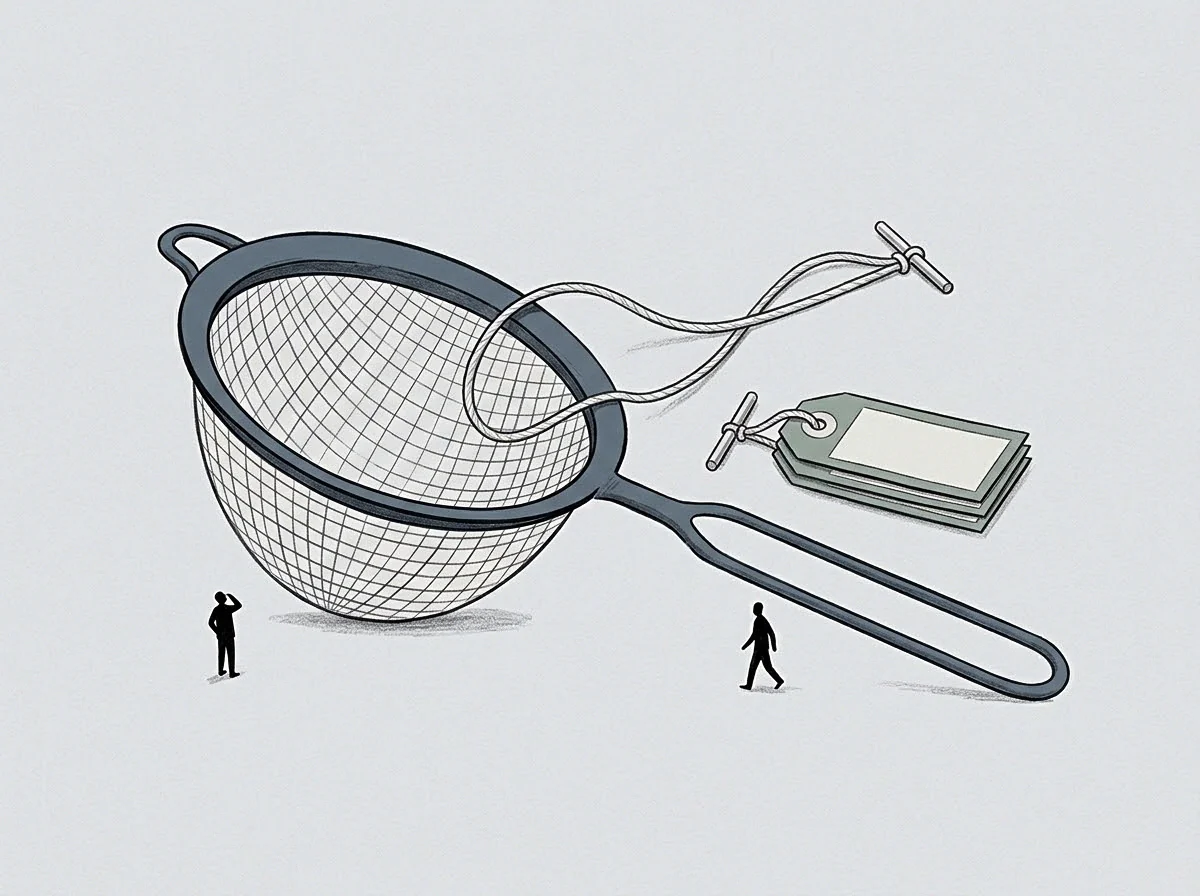
Operational reserve margins represent the predetermined boundary of resource depletion beyond which an operating entity cannot absorb volumetric variation without structural distortion. The buffer threshold marks the exact point where an executive system exhausts redundant capacity and must shift from absorption to throttling or triage. Below this parameter, ambient variance in workflow, communication volume or capital outlay is absorbed invisibly through surplus capacity.
Once conditions breach this line, every incremental demand extracts direct costs in systemic stability, attention and physiological energy.
Exhaustion Boundary
Operating systems possess finite latitude before latent slack converts into acute strain. Crossing the buffer threshold forces an immediate redistribution of processing power from generative work toward boundary defense and triage. Volumetric demand that exceeds this line compels the post-founding operator to arbitrate incoming requests manually, abandoning structured prioritization in favor of basic defensive sorting.
Reserve capacity drops toward zero, leaving the organization vulnerable to secondary shocks that an uncompromised system would disregard. Latent resilience disappears because every unit of available energy is consumed simply holding the operational perimeter against collapse.
Resource Toll
Sustaining operations near this systemic limit imposes compounding physical and organizational costs. When an executive continually skirts the buffer threshold, cognitive bandwidth narrows to immediate survival parameters, compromising longitudinal planning and structural oversight. The physiological cost is steep, characterised by prolonged sympathetic arousal and elevated baseline cortisol secretion that impairs restorative recovery periods.
Organizational drift accelerates because routine administrative demands suddenly compete directly with critical existential threats for finite attention. Every deferred decision generates secondary operational debt, accelerating the rate at which future capacity deteriorates under normal operational throughput.
Operational Ceiling
Capacity margins terminate at an absolute threshold determined by systemic and human limits. If volumetric demands persist after crossing the buffer threshold, systemic throttling transitions abruptly into operational failure. External inbound signals accumulate unaddressed, creating massive queue latency that paralyses external coordination and internal governance.
The physical organism reacts through acute exhaustion, executive shutdown and sudden withdrawal of operational availability. Restoring functional margin requires radical, non-linear structural reduction of commitments rather than incremental efficiency gains.