Meaning
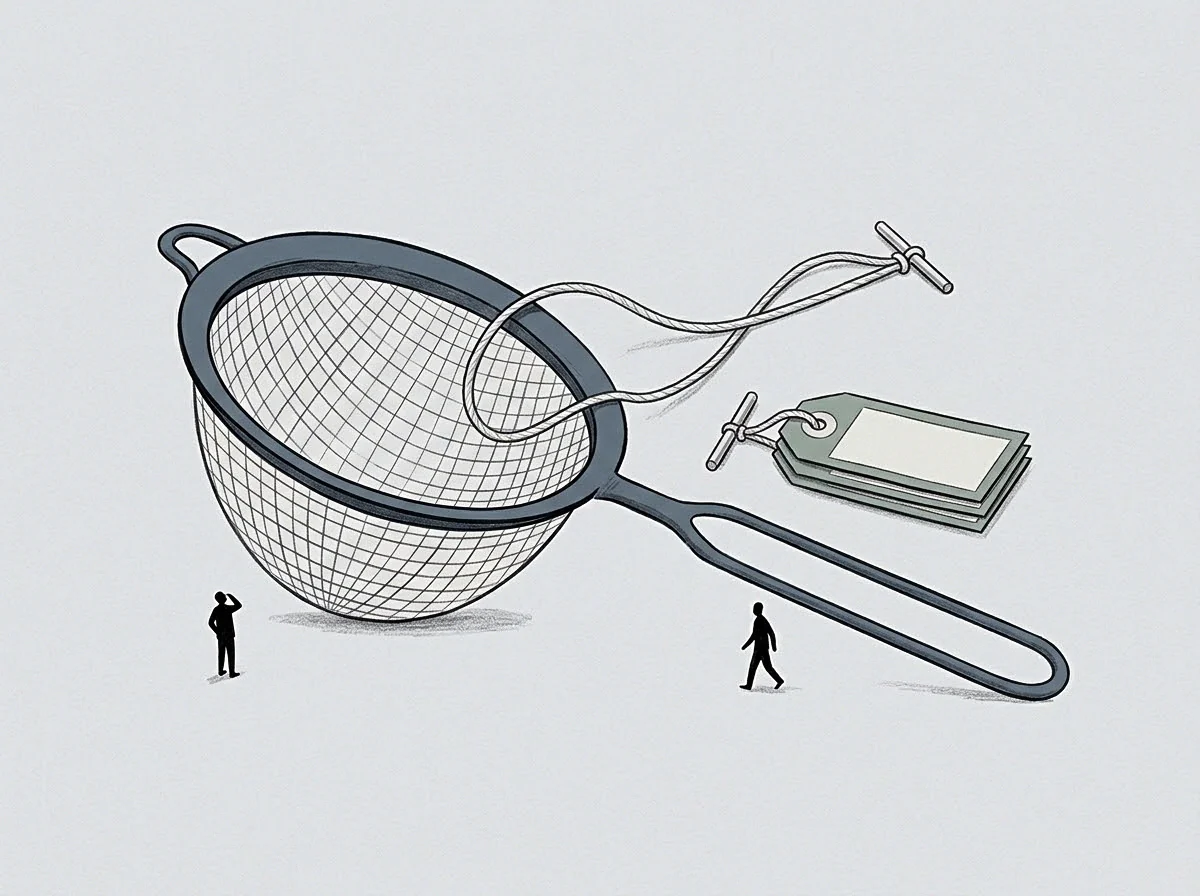
Organizational communication boundaries serve as defensive structural barriers designed to prevent trivial operational feedback, administrative noise and tactical panic from reaching the primary governor. An escalation wall defines the exact rules, procedural thresholds and personnel filters that an issue must clear before demanding central executive attention. It governs organizational information triage, ensuring that baseline variance is absorbed at the departmental periphery rather than exhausting executive bandwidth.
The boundary of this mechanism terminates during bona fide structural emergencies where regulatory liability, insolvency risks or catastrophic infrastructure failures bypass all formal protocol.
Perimeter Construction
Filtering architectural layers isolates the central leadership from destructive operational friction. When properly constructed, an escalation wall demands that operational problems arrive accompanied by complete analysis, resource estimates and actionable remediation pathways rather than raw anxiety. Subordinate management tiers act as physical dampers, resolving low-level contradictions and absorbing stakeholder volatility through lateral delegation.
This structure insulates post-founding executives from continuous interruptions, protecting baseline attention from fragmented tactical escalations. Without such barriers, every operational blip registers as a direct demand on executive capacity, triggering premature physiological stress responses and compromising high-level situational awareness.
Administrative Friction
Building and enforcing these communication thresholds requires significant structural overhead and managerial maintenance. The operational cost of an escalation wall appears as communication latency, because incoming information must be evaluated, categorized and sanitized by intermediate tiers before moving inward. Frustration among subordinate teams can mount when rigid protocols reject issues that feel critical to the front lines, creating institutional tension and perceived executive detachment.
The leader must spend scarce initial capacity designing protocols, training gatekeepers and reprimanding those who breach channels out of habit. Overly porous walls fail to protect attention, while excessively rigid barriers blind executive vision to developing crises until they have breached the enterprise completely.
Systemic Breakthrough
Protective communication structures inevitably face degradation when operational stress triggers widespread institutional panic. If systemic capacity fractures simultaneously across multiple departments, the escalation wall collapses under the sheer volume of emergency exceptions. Intermediate managers, overwhelmed by unmanageable variance, abandon filtering protocols and push raw operational distress directly into the central executive suite.
This flood destroys executive focus, instantly driving the leader into reactive firefighting and acute autonomic hyper-arousal. Restoring the boundary demands an immediate, radical shutdown of non-essential channels and a severe reassertion of delegation authority, or the operational perimeter collapses entirely.