Meaning
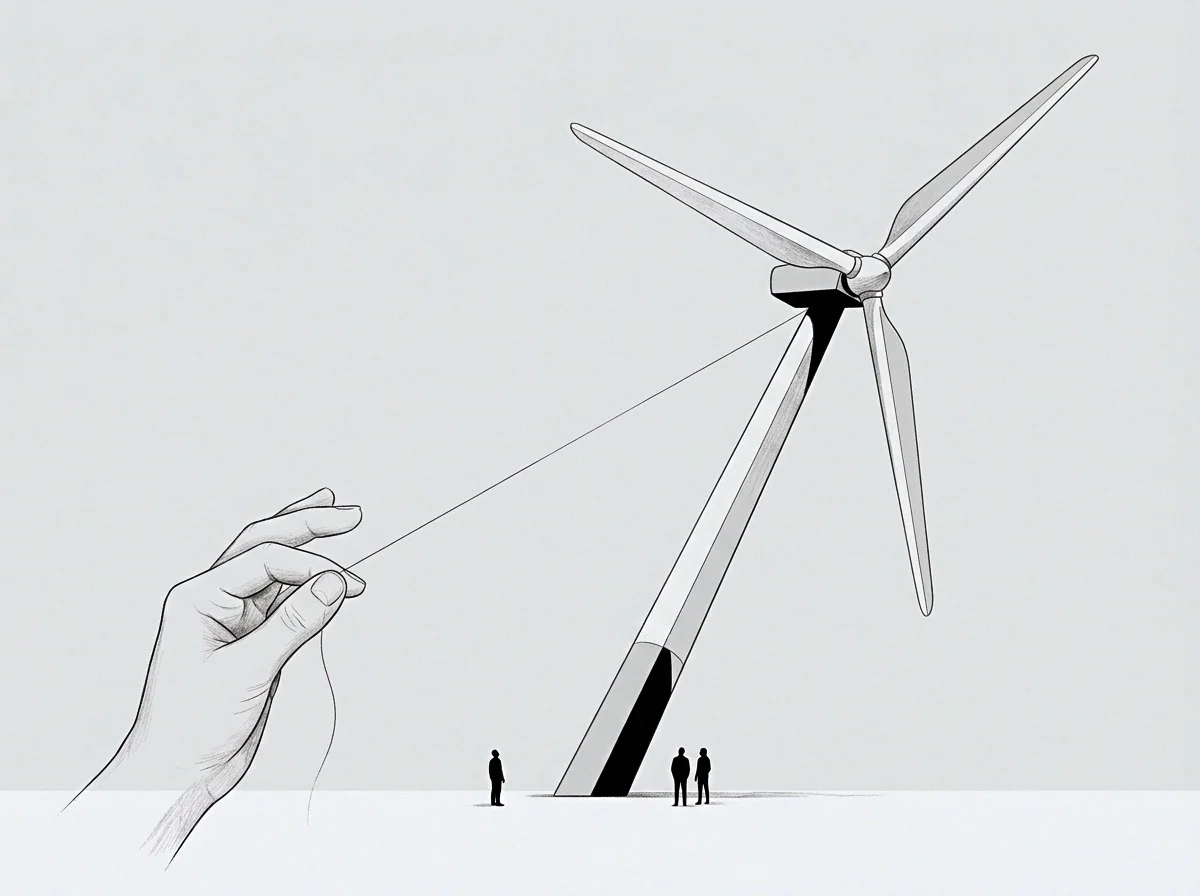
A progressive decline in stroke volume during prolonged exercise or high-stress activity occurs alongside a compensatory rise in heart rate to maintain metabolic stability. In the context of sustained executive stress, cardiac output drift represents the hidden cardiovascular toll of endless workdays without rest. This physical decline occurs even when the overall workload appears stable.
Circulatory Load
Extended periods of sitting under high mental strain alter blood volume distribution. This change forces the heart to beat faster simply to maintain blood supply to the brain, which accelerates fatigue. Over hours, cardiac output drift forces the body to work harder to achieve the same output, increasing allostatic load.
Operational Capacity
Physical endurance and cognitive clarity are tightly linked to stable circulation. When cardiac output drift occurs during long meetings or high-stress negotiations, the brains oxygenation levels fluctuate, leading to a sudden drop in executive function and decision-making quality. The founder becomes less patient and prone to making erratic choices.
This circulatory strain slowly degrades the capacity to process complex ideas, forcing the leader to rely on lazy heuristics rather than rigorous analysis.
Recovery Requirement
Mitigating this circulatory strain is impossible without scheduled physical movement and hydration. Continuous sitting for twelve hours cannot be countered by a single workout, making regular micro-breaks necessary. This active intervention restores vascular tone and stabilizes heart function.