Meaning
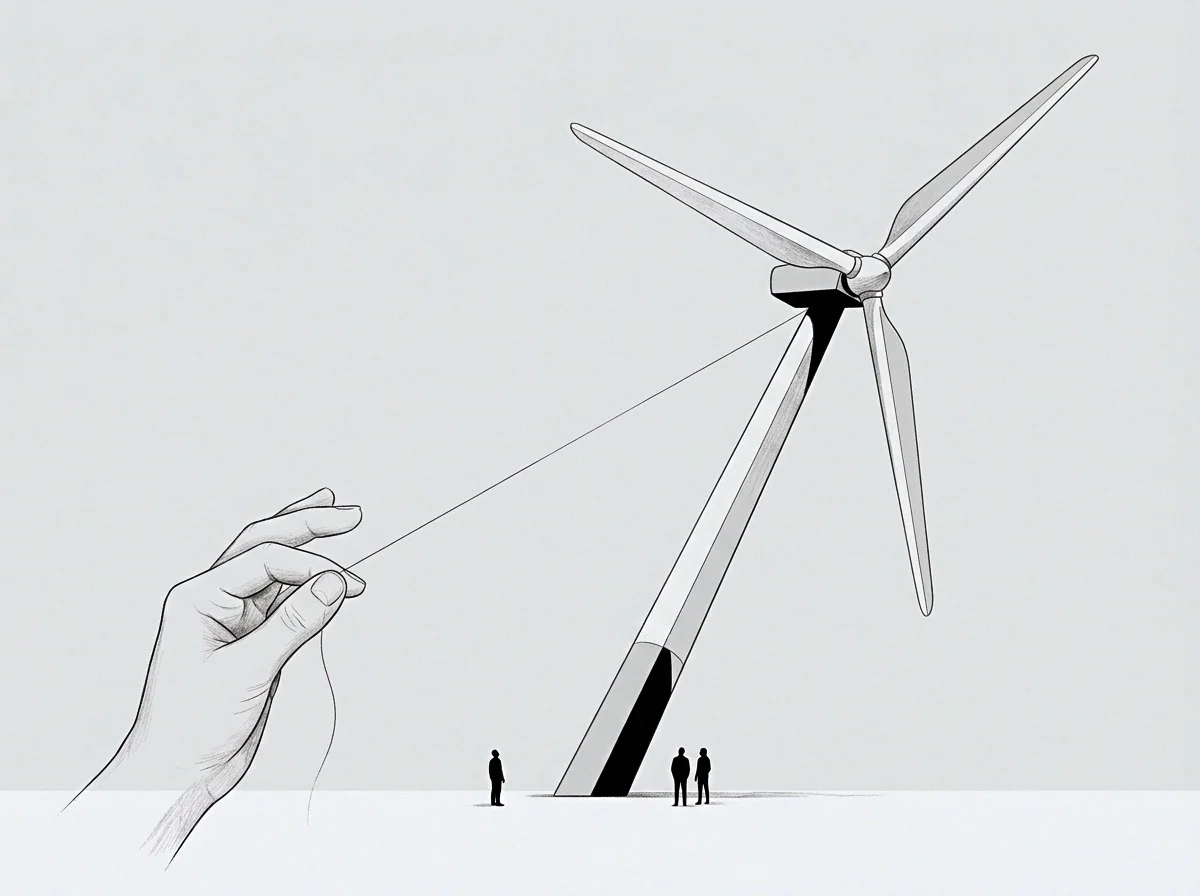
Sensory nerve endings located in the neck monitor blood pressure changes and transmit feedback to the brainstem to regulate heart function. Under persistent stress, the carotid baroreceptors lose their sensitivity, leading to an inability to calm the cardiovascular system. This failure prevents the body from returning to a rest-and-digest state.
Systemic Feedback
These specialized pressure sensors continuously assess the stretch of the arterial walls. When blood pressure rises from acute stress, carotid baroreceptors normally trigger a reflex that slows the heart and dilates blood vessels to restore equilibrium. Under chronic anxiety, however, this regulatory feedback loop becomes blunted, leaving the pressure unchecked.
Executive Strain
The failure of this reflex loop has immediate consequences for mental clarity. A founder experiencing chronic stress cannot easily lower their heart rate, which keeps the brain in a state of high alarm. This constant activation impairs the ability to perform complex tasks, as the emotional center of the brain overrides the prefrontal cortex, causing reactive behavior and panic decisions during stressful board meetings.
Autonomic Reset
Restoring receptor sensitivity requires deep, slow-breathing exercises and physical rest. These simple exercises stimulate the vagus nerve and help recalibrate the blood pressure set point over time.