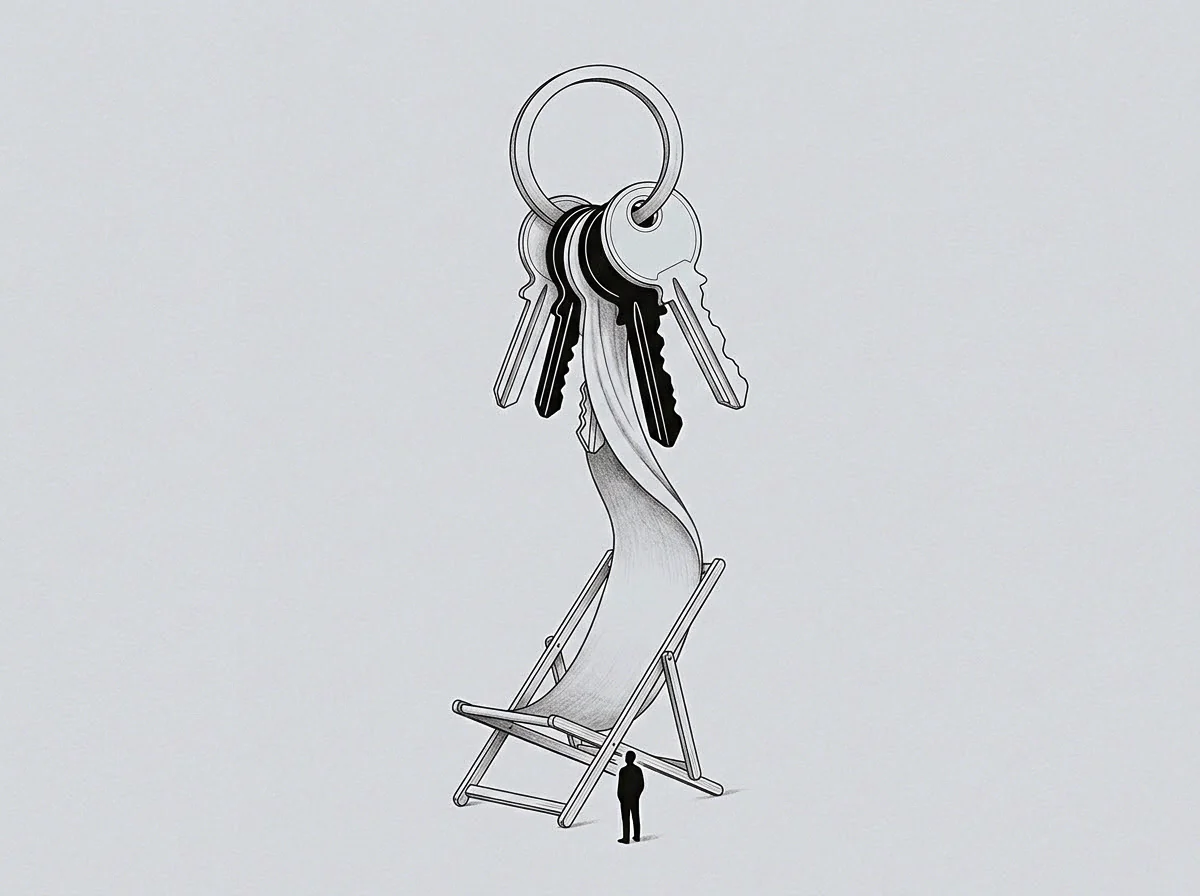
Meaning
A chronic tax on bodily systems represents the cumulative cost of sustained high-pressure management. This physiological surcharge results from the persistent activation of the sympathetic nervous system during periods of continuous executive responsibility. When founders operate under constant stress, their bodies do not recover, leading to a state of chronic exhaustion.
This state is distinct from acute tiredness and represents a long term shift in baseline health metrics, requiring prolonged interventions to reverse.
Physical Drain
The physical toll of executive work accumulates silently over years of intense focus and responsibility. This depletion manifests in elevated resting heart rates, disrupted sleep patterns, and weakened immune function. Recognizing the signs of physiological surcharge allows leaders to intervene before chronic health issues emerge.
Allostatic Load
The cumulative wear and tear on the body from chronic stress exposure can be measured through specific biomarkers. When an individual faces unrelenting demands without adequate recovery, their homeostatic systems operate outside their normal ranges. This shift creates a long term health debt that cannot be repaid with a single weekend of rest.
Recovery Deficit
Failing to balance intense effort with restorative downtime creates a compounding deficit that compromises executive effectiveness. This gap between the rest the body needs and the rest it receives impairs cognitive flexibility and emotional control. Founders must design their schedules to include deliberate, non-negotiable recovery blocks to protect their capacity.