Meaning
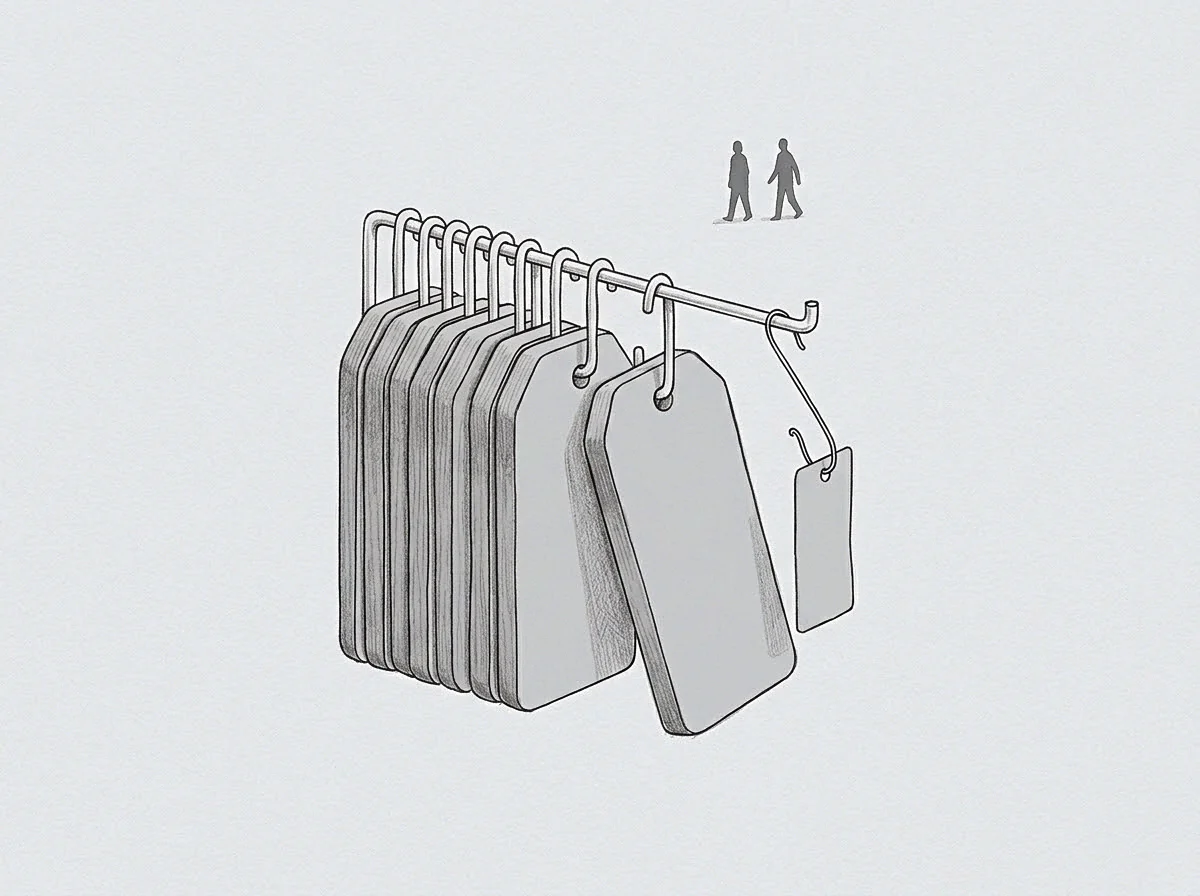
A frequent reallocation of mental attention occurs when an individual transitions between unrelated tasks or domains. Each time this transition occurs, cognitive context switching deposits a residue of attentional energy on the previous task, which reduces the focus available for the new activity. This process drives up the daily mental expenditure of leadership.
Reorientation Delay
The human prefrontal cortex requires significant time to load new rules and data when changing objectives. Because cognitive context switching is mentally expensive, a high frequency of transitions decreases overall executive efficiency. This effect is pronounced when moving directly from operational details to strategic governance.
Attention Depletion
Multiple transitions accumulate residue which appears as a state of mental exhaustion and decreased focus. As cognitive context switching continues throughout the day, the ability to filter distractions deteriorates. This depletion forces the executive to rely on automated heuristics rather than deep analytical reasoning.
Recovery Protocol
Mitigating the cost of these transitions requires the grouping of similar tasks into dedicated time blocks. By batching administrative tasks, leaders minimize the necessity of cognitive context switching and protect their deep focus. This structured approach reduces allostatic load and helps preserve critical decision capacity.
The deliberate sequencing of different types of work represents a foundational skill for sustainable performance. This sequence ensures that high-impact tasks are completed when attentional resources are at their peak.