Meaning
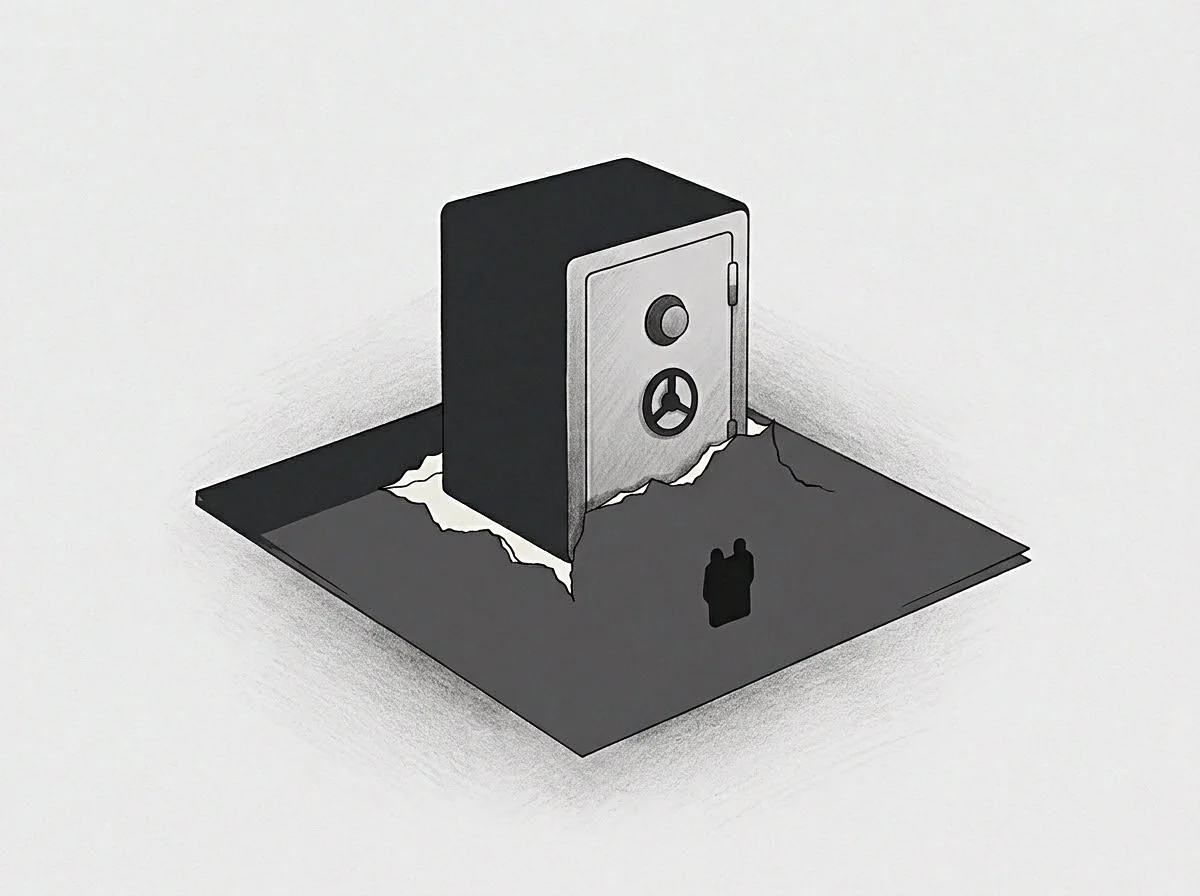
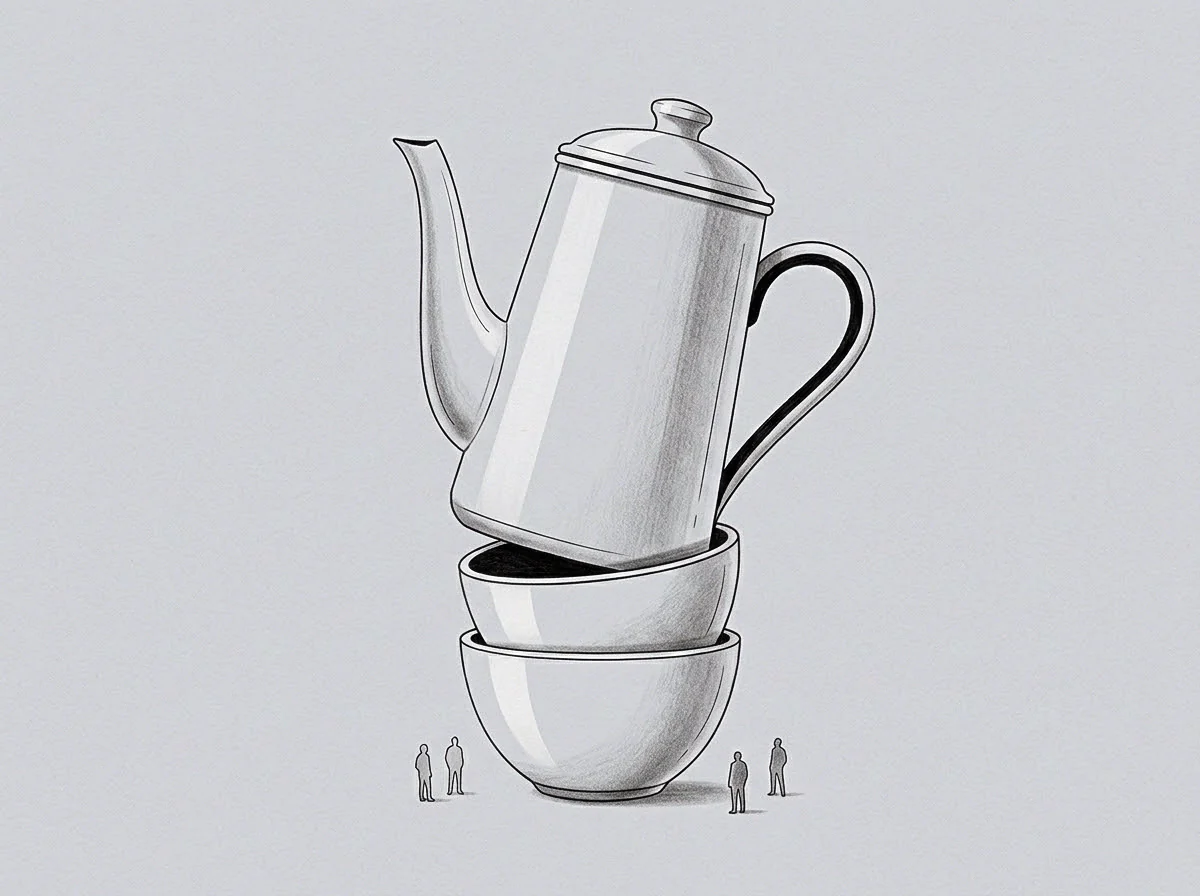
Mental resources required to maintain awareness of a task or system add a layer of effort beyond the work itself. When considering complex operations, cognitive overhead represents the price of keeping multiple variables in active memory. This load governs the number of projects a person can supervise without losing precision.
It stops applying when a task becomes fully automated or is delegated to a point where no monitoring is needed.
Task Complexity
Elaborate details in a process demand constant attention. The task complexity of cognitive overhead scales with the number of moving parts in a project. As more dependencies are added, the founder must hold a larger map of the system in their head.
This prevents the brain from entering a state of relaxed execution.
Switching Tax
Moving between different mental models costs time and energy. The switching tax of cognitive overhead is paid every time an individual moves from a financial spreadsheet to a creative strategy session. The brain requires several minutes to reorient and retrieve the relevant context for the new task.
This friction reduces the total productive output of a day, even if the person remains busy.
Capacity Limit
Human processing power has a ceiling that cannot be exceeded by sheer force of will. The capacity limit of cognitive overhead is reached when the effort of managing the work consumes all available attention, leaving none for the work itself. At this point, the founder experiences a sharp drop in decision quality.
Errors begin to appear in routine checks as the mind struggles to track every variable. To recover, the individual must shed load by either finishing tasks or handing them off to others. This ceiling acts as a natural regulator on the scale of an individual’s direct involvement in the details of a company.