Meaning
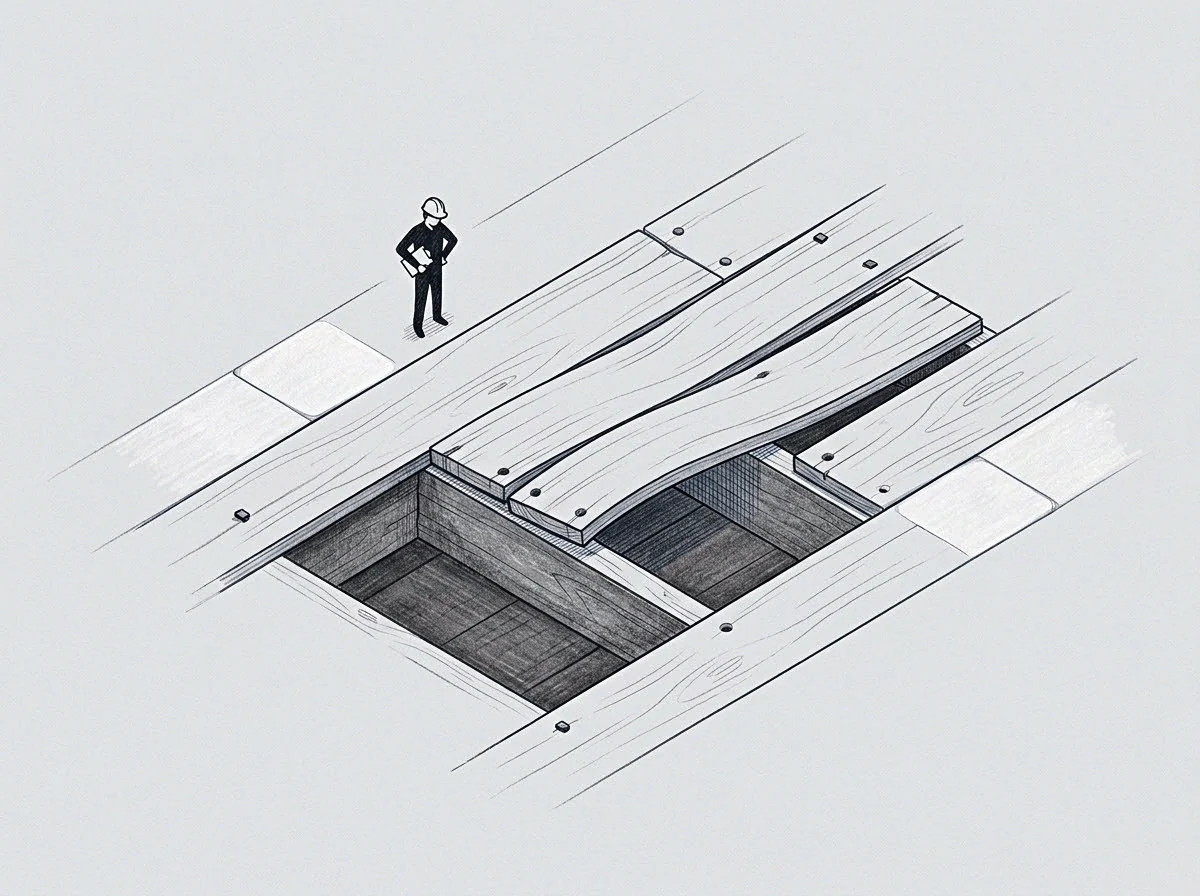
A protective behavioral strategy involves the expenditure of personal energy to shield an organization from external volatility or internal friction. This compensatory buffering occurs when a leader absorbs operational variance by working longer hours or managing interpersonal conflicts directly instead of allowing the organizational structure to adapt. The practice prevents the team from recognizing structural deficits but extracts a heavy toll on the individual.
Regulatory Price
Personal resource depletion represents the direct cost of maintaining stability through individual effort. Extended compensatory buffering forces the individual to draw on physiological reserves, leading to chronic sleep deprivation and cognitive fatigue. This depletion eventually limits the attention available for high-level oversight and long-term planning.
Systemic Vulnerability
Institutional weakness remains hidden as long as the leader continues to absorb the shock of daily operational failures. Because compensatory buffering masks these underlying process failures, the organization delays necessary hires and systemic upgrades. The false stability breaks down immediately if the individual becomes unavailable or lacks the capacity to continue the intervention.
Consequently, the team never develops its own problem-solving capabilities, leaving the entire enterprise dependent on a single point of failure that cannot be sustained over multi-year horizons.
Structural Alternative
Sustainable governance replaces individual effort with institutionalized processes and clear delegation protocols. Rather than relying on compensatory buffering, resilient organizations build redundancy into their teams and establish clear operational boundaries. This transition protects the founder from exhaustion while allowing the company to build its own adaptive capacity.